Skip to content
Real Estate Intelligence

Markets reads the Japanese real estate market through data and primary sources. It covers market indicators such as land prices, rents and transaction volumes, redevelopment plans, and area-by-area supply-and-demand analysis. It is written for investors, owners and practitioners deciding whether to buy now or wait, and which areas are likely to appreciate. Rather than gut feeling, we cross-check published statistics against on-the-ground observation from our brokerage and management work, and explain why prices and rents move and the structural forces behind them.

Key topics

  • Market Insights — Market-wide trends and data on land prices, rents and transaction volume.
  • Redevelopment — How redevelopment plans shape area value and future potential.
  • Area Analysis — Supply, demand and potential compared by city, rail line and district.

Common questions

Is now a good time to buy real estate?
There is no single answer. It depends on interest rates, local supply and demand, and your holding goals. This section organizes market data and redevelopment trends so you can decide against your own criteria.
How do I spot areas likely to appreciate?
Overlay four factors: redevelopment plans, transport infrastructure, demographics and new supply. Our area-analysis articles explain the specific indicators we use.
What sources is your market data based on?
Published statistics such as official land prices and the real estate price index, cross-checked with observations from our brokerage and management operations. Sources are cited in each article.
About our editorial process:About the companyEditorial policyAuthors

This section is updated on an ongoing basis as new public information and market developments emerge.

2026 Edition: What Is the Hirakata-shi Station Area Type 1 Urban Redevelopment Project? Explaining the Current Status of the Three Districts and the Impact on Rental Management
INA NETWORKArea Analysis

2026 Edition: What Is the Hirakata-shi Station Area Type 1 Urban Redevelopment Project? Explaining the Current Status of the Three Districts and the Impact on Rental Management

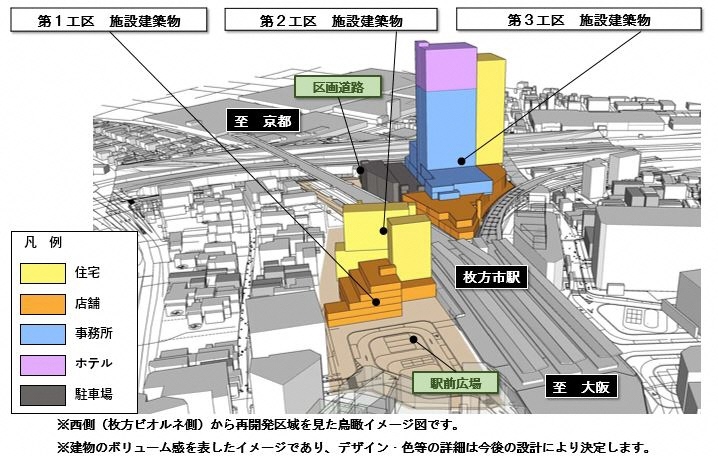
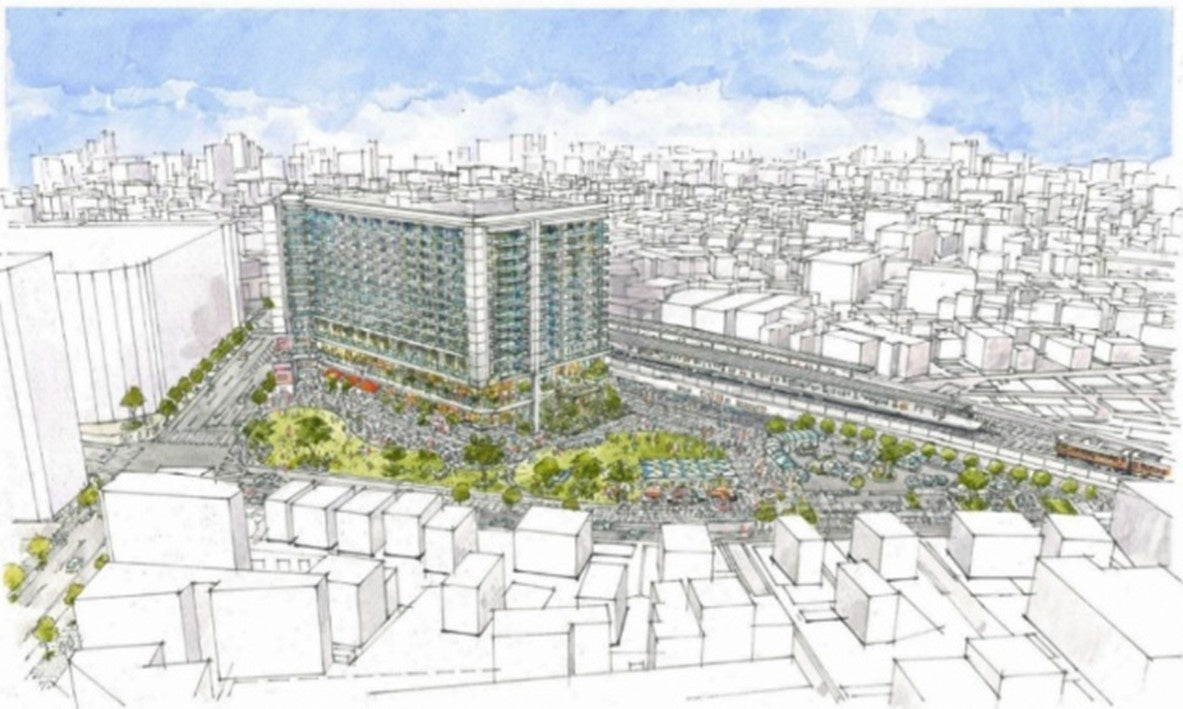
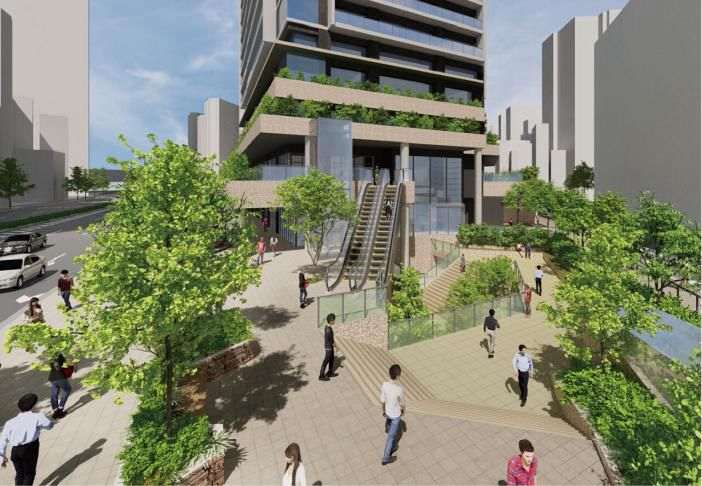
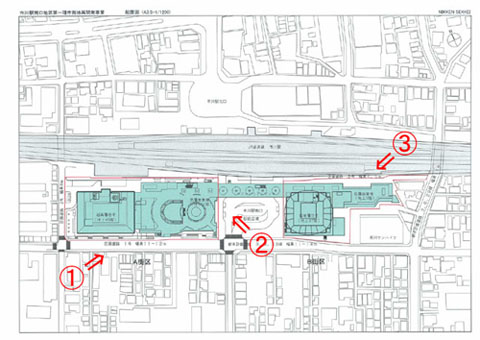
Based on official information, this article explains the current status of the three districts in the Hirakata-shi Station Area Type 1 Urban Redevelopment Project, including the completion of the core third-phase facility "Station Hill Hirakata" in May 2024 and the planned completion of the north station plaza by the end of February 2026, as well as the preparations rental property owners should make now.

INA NETWORKMarket Insights

Rental Property Management Company Operations and Selection Criteria: Five Professional Benchmarks for Choosing the Right Partner

A structured guide to rental property management companies, covering hard and soft management functions, five professional selection criteria, outsourcing models, and the difference from brokerage firms.

INA NETWORKArea Analysis

What Is Tokyo Midtown Nihonbashi? Explaining the Redevelopment and Investment Impact Ahead of the Fall 2027 Opening

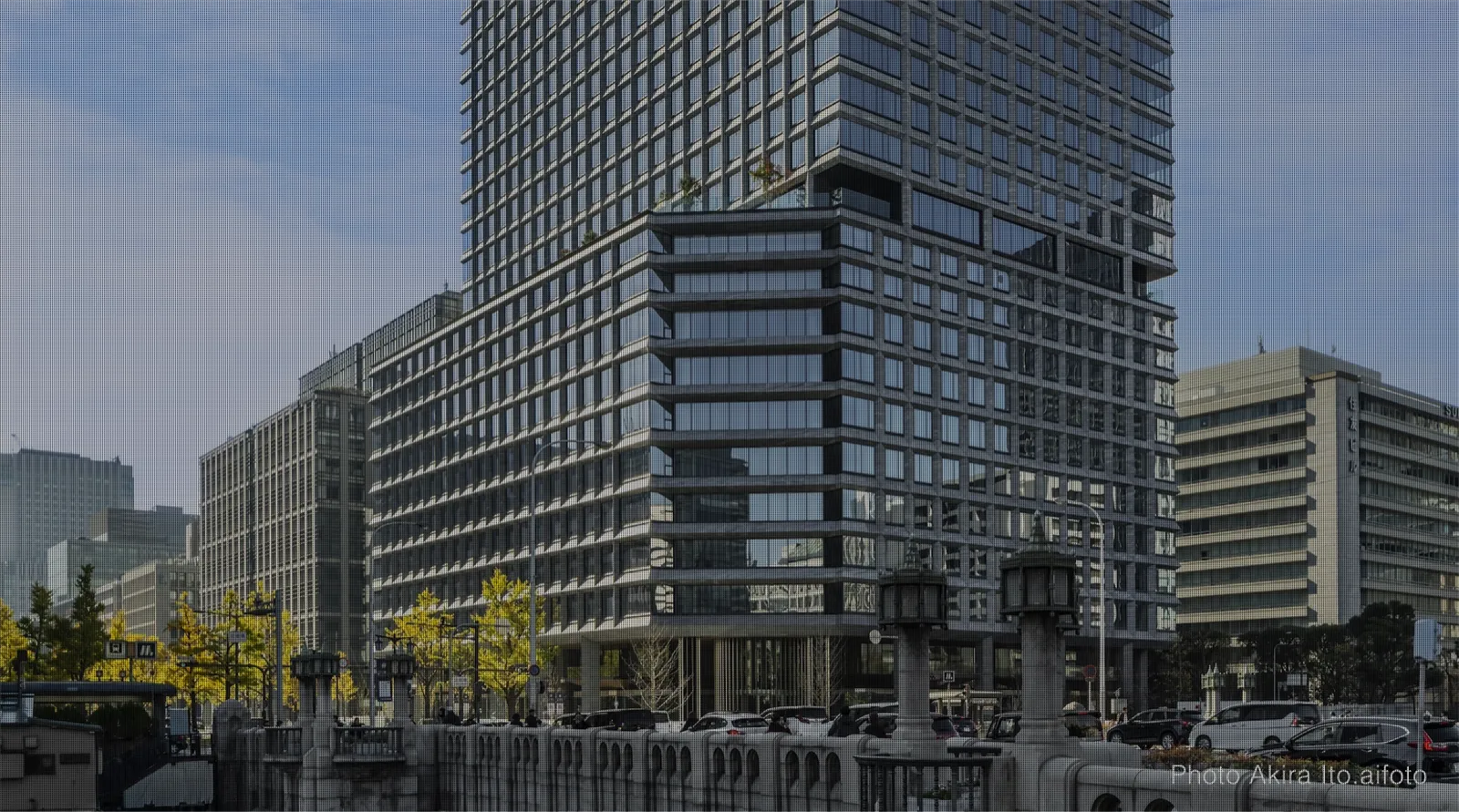
Tokyo Midtown Nihonbashi is a large-scale redevelopment project by Mitsui Fudosan scheduled to open in fall 2027. This article explains, from a real estate owner's perspective, the integration of COREDO Nihonbashi, Waldorf Astoria's first entry into Japan, and the ripple effects on the affluent market.

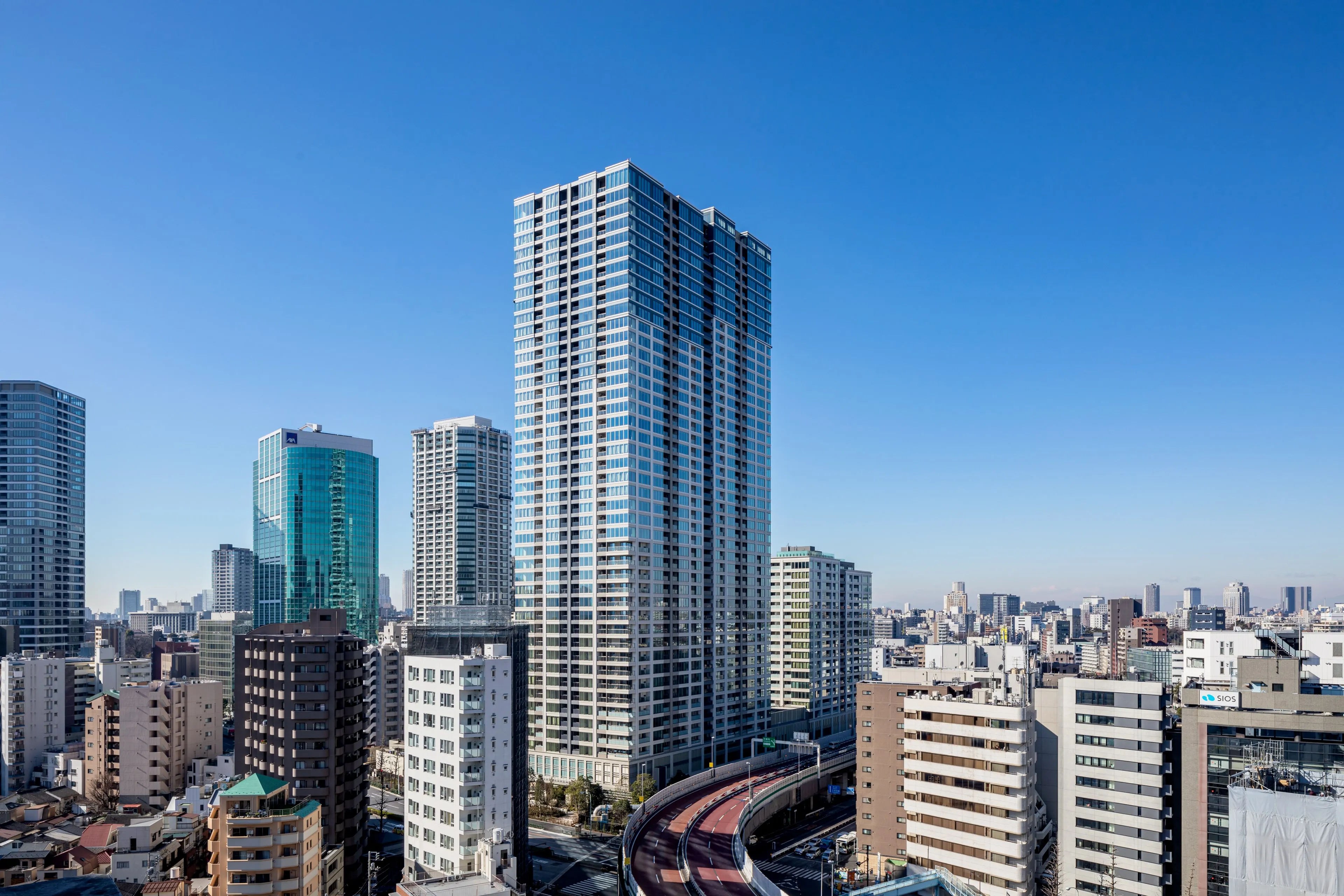
How SHIROKANE The SKY Changed Shirokane-Takanawa | JPY 79.3 Billion Redevelopment and Real Estate Value
INA NETWORKMarket Insights

How SHIROKANE The SKY Changed Shirokane-Takanawa | JPY 79.3 Billion Redevelopment and Real Estate Value

This article explains the full scope of the Shirokane 1-chome Tobu-Kita District redevelopment, completed with SHIROKANE The SKY, a 1,247-unit project with a total project cost of JPY 79.3 billion. From an owner's perspective, we analyze post-completion land price trends, the West Central District redevelopment, and the synergies expected from the Namboku Line extension.

INA NETWORKMarkets

40% of Income Goes to Rent: Why an "Ordinary Life" in Tokyo Is Becoming Fragile [2026 Edition]

An era has arrived in which 40% of income goes to rent just to live "normally" in Tokyo. This article explains why a monthly rent of 170,000 yen has become standard even for households earning 8 million yen a year, along with the structural drivers behind the shortage of new supply and rising rents.

INA NETWORKMarket Insights

Surging Major Repair Costs: The Reality of an Era When Rural Condominiums Can No Longer Be Repaired

As major repair costs continue to rise, the reality is spreading that older condominiums in rural areas are falling into a state where repairs are no longer feasible. This article explains the reality of a 30% increase in construction costs and the choices individual owners now face.

INA NETWORKFinance

Real estate investment holding costs are surging - the income reality owners should understand in an era of rising interest rates

Holding costs for real estate investment are rising sharply. With interest rates at 2% and yields in the 4% range, the effective spread is only 2%, while major repair costs have risen by 30%. This article explains the income reality owners should reassess now and the actions they should take.

INA NETWORKMarket Insights

Why Is the Gap Between Transaction Prices and Asking Prices Widening? Understanding Today's Real Estate Market Through Data

The gap between transaction prices and asking prices has widened to one of the largest levels on record. Using the latest data from REINS and Tokyo Kantei, this article analyzes the difference between the price properties actually sold for and the price they are listed at, and explains the strategies owners should consider.

INA NETWORKMarket Insights

What Is the Corporate Transaction Volume Index? An Explanation of November 2025 Trends and Their Impact on the Real Estate Market

An explanation of the Ministry of Land, Infrastructure, Transport and Tourism’s November 2025 Corporate Transaction Volume Index data released on a trial basis. We analyze the backdrop to the nationwide 11.8% decline, the annual trend, and what property owners should do in light of developments across major metropolitan areas.

Cross-Border Real Estate Investment in 2026: Currency, Yield, and Japan's Rules

Cross-Border Real Estate Investment in 2026: Currency, Yield, and Japan's Rules

A two-way look at cross-border real estate in 2026, covering both overseas investors buying into Japan and Japanese buyers going abroad. With a weak yen, rising land prices, and an inbound recovery as tailwinds, and the Bank of Japan's rate hike, currency-hedging costs, and Japan-specific rules such as the Foreign Exchange Act and the Important Land Survey Act, it explains why the decision should rest on real yield after hedging, not on headline figures.

What is Gentrification? The Dark Side of Rights Conversion and Landowner Risks in Japan

Gentrification—the displacement of residents through urban redevelopment—is advancing in Japan. Learn about cases in Kyoto, Osaka, and Shimokitazawa, and the rights conversion manipulation revealed in Nihonbashi redevelopment. What are the rights conversion risks that ultra-high-net-worth investors need to know?

INA NETWORKMarket Insights

Polarization in Tokyo's Office Market | Why 0.7% and 26% Vacancy Rates Exist at the Same Time

Polarization in Tokyo's office market is deepening, with vacancy rates of 0.7% and 26.3% existing at the same time. As the flight to quality toward Class A buildings accelerates, INA provides a thorough explanation of the strategies investors should take.

Tobu Hikifune Station Redevelopment 2032 | Sumida Ward Urban Planning Policy and Area Asset Values
INA NETWORKMarket Insights

Tobu Hikifune Station Redevelopment 2032 | Sumida Ward Urban Planning Policy and Area Asset Values

Explaining the 'Tobu Hikifune Station Area Urban Development Policy' formulated by Sumida Ward in September 2025, and the Type 1 Urban Redevelopment Project being promoted by UR Urban Development Corporation and Hankyu Hanshin Real Estate. What impact will the redevelopment targeting completion by the end of 2032 have on land owners' and property owners' asset values?

Comprehensive Analysis of Osaka Inbound Real Estate Demand Post-Expo | Investment Strategy on the Eve of IR

Analyzing the actual state and medium-term outlook of inbound real estate demand in Osaka after the Osaka-Kansai Expo. Based on Japan Tourism Agency data, land price trends, and IR opening forecasts, organizing the 3 key points property owners in Osaka should focus on now.

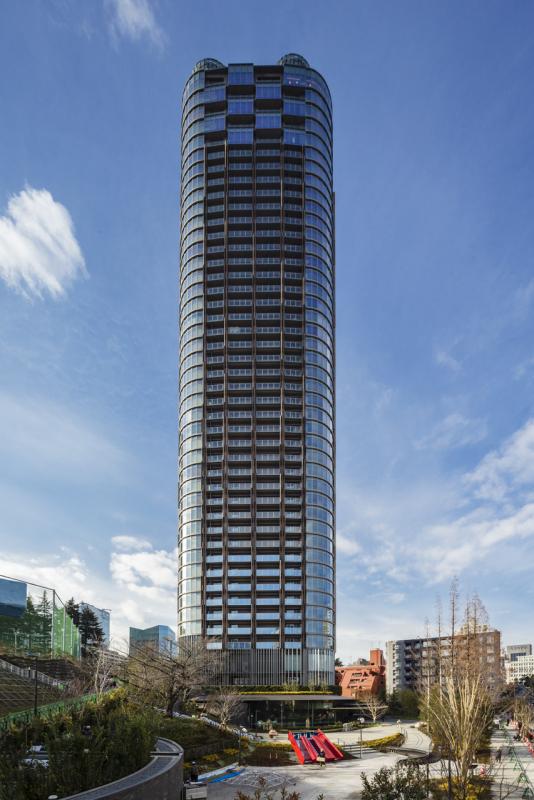
Akasaka Intercity AIR: LEED Platinum Fuels Land Price Surge
INA NETWORKMarket Insights

Akasaka Intercity AIR: LEED Platinum Fuels Land Price Surge

Akasaka Intercity AIR, born from the Akasaka 1-chome redevelopment, has become the first large-scale mixed-use building in Japan to earn LEED Platinum. We examine the data behind a 55% rise in land prices and what the redevelopment's ripple effects mean for owners and investors.

Why Foreign Investors Keep Buying Japanese Real Estate | Structural Drivers That Persist Beyond a Weak Yen

Foreign investment in Japanese real estate reached a record 6.218 trillion yen in 2025. Why does net buying continue even now that the weak yen has eased? This article explains the latest data and the structural factors behind the trend.