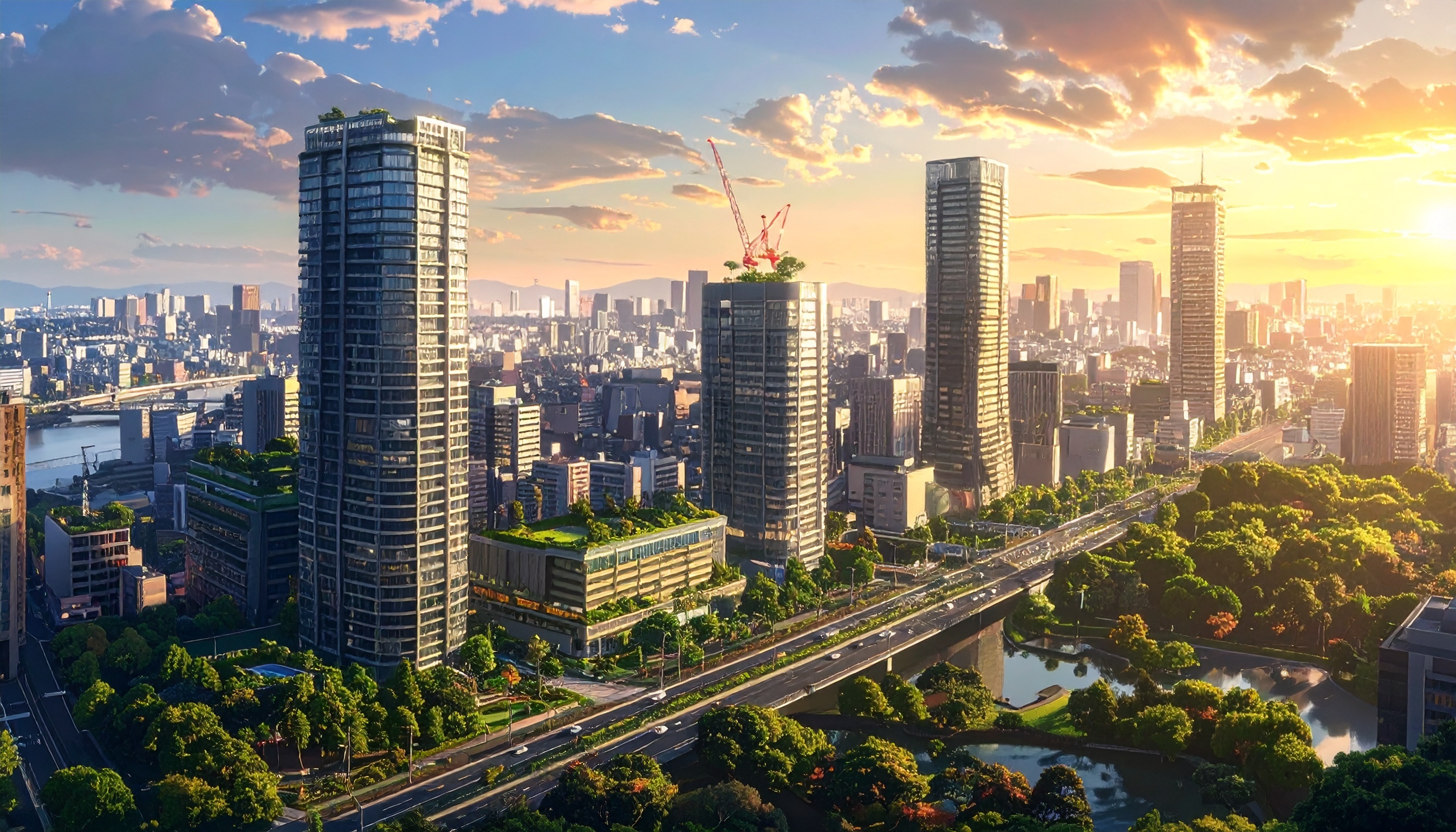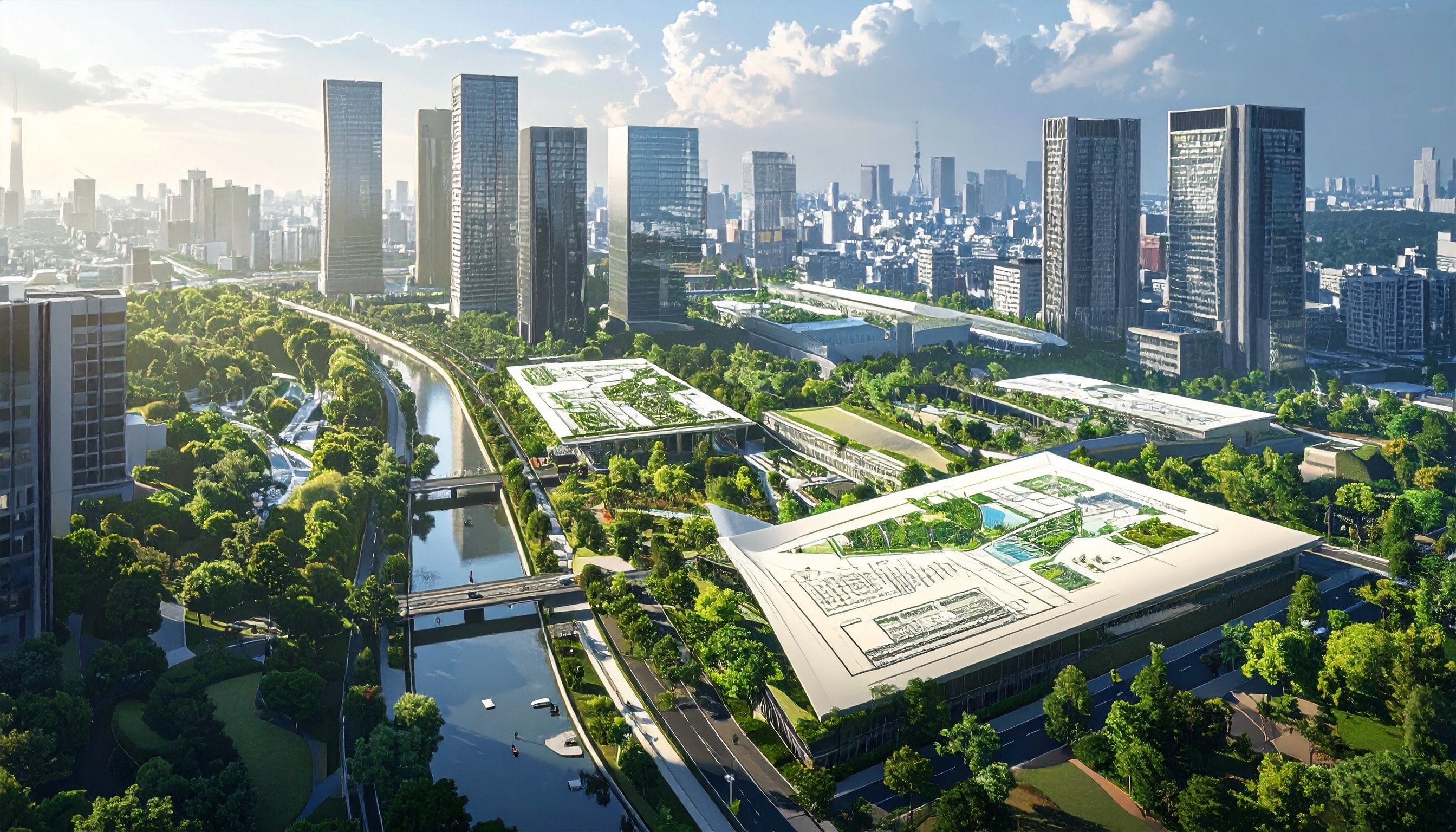
Much of the focus in Tokyo real estate investment has been on Minato Ward, but other areas are now emerging as the next major redevelopment centers. Shinagawa, Shinjuku, and Toyosu are all undergoing large-scale transformations that will significantly impact property values and rental demand in the coming years. For wealthy investors and property owners, understanding these trends is essential for maximizing asset returns.
Why Look Beyond Minato Ward?
Minato Ward has long been the benchmark for Tokyo's premium real estate market. Takanawa Gateway City, Toranomon Hills, and other landmark projects have pushed land values and rental rates to record highs. However, this success has also pushed acquisition costs to levels where upside potential is increasingly limited for new investors.
The opportunity now lies in identifying the next tier of redevelopment areas—those where urban renewal is advancing but where property values have not yet fully priced in the transformation. Three areas stand out: Shinagawa, Shinjuku, and Toyosu.
Shinagawa: The International Gateway of the Future
Shinagawa is positioned to become one of Tokyo's most significant redevelopment zones over the next decade. The core of this transformation is the extension of the Linear Maglev (Chuo Shinkansen), with Shinagawa Station serving as the key terminal. The station area is already being reimagined with multiple high-rise developments, and the surrounding Konan district is seeing intensive residential and commercial development.
Key projects include:
- Takanawa Gateway City: The first phase opened in March 2025, with subsequent phases continuing through 2030s
- Shinagawa Station North District: A 115m twin tower development redefining the northern approach to the station
- Pan Pacific Hotel and Mixed-Use Development: International-caliber hospitality anchoring the area's global positioning
For rental investors, Shinagawa's appeal lies in its combination of corporate tenant demand (global companies, tech firms) and housing demand from professionals working in the area. The Konan and Takanawa sub-areas offer different risk/return profiles: Konan skews toward office and corporate housing demand, while Takanawa has stronger luxury residential demand.
Shinjuku: Urban Lobby and the Next Phase of a Global Hub
While Shinjuku is already one of Tokyo's most dynamic areas, major redevelopment projects are set to fundamentally transform it again. The key project is the West Shinjuku 3-chome West District Redevelopment, targeting FY2029 completion with twin towers at 230m and over 3,200 residential units.
Beyond the specific project, Shinjuku Ward's "Urban Lobby" concept is creating a larger vision: transforming the base of the high-rise district into a connected, pedestrian-friendly public realm that positions Shinjuku as both an international business and cultural tourism hub by 2040.
For rental investors, Shinjuku offers a diverse demand base: corporate housing for multinational companies, demand from young professionals drawn to the area's lifestyle amenities, and growing inbound tourism supporting short-term rental markets. The sub-areas of Nishi-Shinjuku (office/corporate), Shinjuku 3-chome (retail/entertainment), and the emerging west exit redevelopment zone each present distinct investment considerations.
Toyosu: From Industrial to Premium Urban
Toyosu represents perhaps the most dramatic ongoing transformation in Tokyo. Once an industrial waterfront, the area has been progressively redeveloped into a premium residential and commercial district. The Toyosu Market opening (2018) was a catalyst, but the area's real evolution is still accelerating.
Key factors driving Toyosu's continued appreciation:
- Olympic Legacy Infrastructure: The athlete village conversion to Harumi Flag is creating a new premium residential community within cycling distance of Toyosu
- Waterfront Premium: Tokyo Bay waterfront properties command consistent premiums that have historically outperformed inland alternatives
- Transportation Improvement: The planned extension of the Metropolitan Expressway and improved water bus connectivity are enhancing access
- Commercial Anchor Development: New retail and entertainment destinations continue to draw footfall and support rental demand
For rental investors, Toyosu appeals to young professionals, dual-income households, and families who value the lifestyle combination of urban convenience and waterfront living. Vacancy rates have historically been low, and rental premiums for waterfront-facing units are significant.
Comparative Investment Framework
When evaluating these three areas against each other, consider the following dimensions:
Risk/Return Profile: Shinagawa offers the highest potential upside but also the most complex transformation timeline. Shinjuku provides more predictable returns given its established market. Toyosu has the most proven track record but may have less remaining upside given how far the transformation has already progressed.
Tenant Profile: Shinagawa attracts international corporate tenants; Shinjuku has the most diverse demand base; Toyosu appeals most strongly to young professionals and families.
Liquidity: Shinjuku has the deepest investment market. Shinagawa's market is becoming more liquid as developments mature. Toyosu benefits from strong retail investor participation.
Rental Strategy Recommendations
Based on the current development trajectories, here are key rental strategy considerations for each area:
Shinagawa: Focus on proximity to Takanawa Gateway Station and Shinagawa Station. Corporate housing-oriented units with high-specification finishes and flexible lease terms will command premium rates from international tenants.
Shinjuku: The highest-value opportunities are near the west exit redevelopment zone. Units positioned for young professionals with urban lifestyle amenities access will see strong demand. Consider the potential for short-term rental licensing as inbound tourism continues to grow.
Toyosu: Prioritize waterfront-facing or bay-view units. Family-sized units (2LDK and larger) are underserved relative to demand. The area's lifestyle positioning supports premium rents that track well against market averages.
INA's Perspective
At INA&Associates Co., Ltd., our analysis shows that the greatest value creation opportunity in the current Tokyo market lies not in chasing the most-publicized redevelopment areas, but in identifying areas where the transformation story is real but not yet fully reflected in market prices.
Shinagawa, Shinjuku, and Toyosu all meet this criterion. Each has credible, large-scale urban development underway. Each has demand drivers that go beyond the immediate project area. And in each case, the window for optimal entry remains open—though it is closing as awareness of these opportunities spreads.
For investors considering these areas, the key is to act with precision: to identify the specific sub-areas, property types, and price points that offer the best risk-adjusted returns rather than pursuing the broad thesis without adequate analysis.
Summary
- Minato Ward's premium pricing is pushing investors to seek next-tier redevelopment areas
- Shinagawa is positioned as Tokyo's future international gateway, with major projects transforming the Konan and Takanawa sub-areas
- Shinjuku's Urban Lobby concept and West Exit redevelopment are creating a new phase of transformation for Japan's busiest station area
- Toyosu's ongoing evolution from industrial waterfront to premium urban district continues to outperform market averages
- Each area presents distinct risk/return profiles, tenant bases, and optimal rental strategies
- The window for optimal entry remains open but is closing as market awareness grows