What Rosewood's Arrival in Japan Reveals About Luxury Property Investment
Rosewood Hotels turns the story of a place into experiential value. Through Miyakojima and the Tokyo plan, we read what Japan's luxury hotel investment is really signaling.
27 stories
Rosewood Hotels turns the story of a place into experiential value. Through Miyakojima and the Tokyo plan, we read what Japan's luxury hotel investment is really signaling.
Foreign investment in Japanese real estate reached a record 6.218 trillion yen in 2025. Why does net buying continue even now that the weak yen has eased? This article explains the latest data and the structural factors behind the trend.
What are affluent families really seeing when they leave Japan for education migration? We explore the full family strategy—from school quality to residency rights, employment opportunities, and institutional stability.
Starting from reports of Blackstone's ¥2.4 trillion commitment to Japan, we break down what foreign capital is targeting, Japan's market strengths, and the practical points property owners should reassess.
For Hong Kong investors, buying real estate in Japan is not just a currency trade. The practical issues are Japan-specific registration documents, non-resident tax, bank KYC and long-term property management.
Practical points when managing rental properties for foreign owners. Explanation of items that management companies should keep in mind, including selection of a tax agent, notification of the Foreign Exchange and Foreign Trade Act, registration of domestic contacts, and handling of management fees and reserve funds for repairs.
Explanation of procedures required when foreigners buy or sell real estate in Japan. Includes alternative documents for residence certificates and seal registration certificates, precautions for real estate registration, Foreign Exchange and Foreign Trade Act notifications, and handling of various taxes.
For real estate companies looking to start transactions with foreigners. A step-by-step guide to building experience, from handling foreign tenants in rental management to industry networking, language preparation, and cultural understanding.
A clear guide to Japanese real estate for international readers, covering ownership, registration, tax, condominium governance, management and exit planning.
Practical know-how for property owners on accepting foreign tenants to reduce vacancies and improve occupancy rates — from screening and visa verification to multilingual contracts and trouble prevention.
The exit strategy for central Tokyo towers. Five signs that foreign investors are turning to sell, the indicators that flag a price ceiling, and how to time a sale.
Experts provide an in-depth look at the impact of overtourism on the real estate market and solutions. Recommendations for a sustainable future are also presented.
A thorough comparison of the New Zealand and Japanese real estate markets will be made, explaining the differences in values, taxation systems, and purchase regulations for existing properties.
Explains why Asian capital is choosing Japanese real estate in terms of geopolitical background and economic benefits. Explores the appeal of Japanese real estate as a safe asset.
A thorough comparison of overseas realtors and Japanese real estate salespeople from the perspectives of licensing system, compensation structure, fiduciary duty, and information transparency. Explaining the structural factors behind differences in social status.
Explains the impact of international politics and currency fluctuations on real estate investment. Proposes investment strategies based on the effects of a weak or strong yen and geopolitical risks.
Explains specific strategies and practical tips for protecting assets from geopolitical risk through real estate investment. The attractiveness of real estate as a safe asset is presented in detail.
Explains the importance of asset protection and the benefits of real estate investment in an era of inflation and a weak yen. Specific ways to protect and increase your assets will be introduced.
Discover why high net worth foreign investors are flocking to Japanese real estate, exploring its high yields, political stability, and affordability.
Discover why wealthy Chinese are increasingly investing in Japanese real estate, focusing on high yields, permanent ownership, and the benefits of a weak yen.
Discover why wealthy foreigners are increasingly investing in Tokyo penthouses, driven by factors like the weak yen, high yields, and Japan's political stability.
Discover how the rise in foreign residents is reshaping Japan's urban real estate market and the keys to successful rental management in this changing landscape.
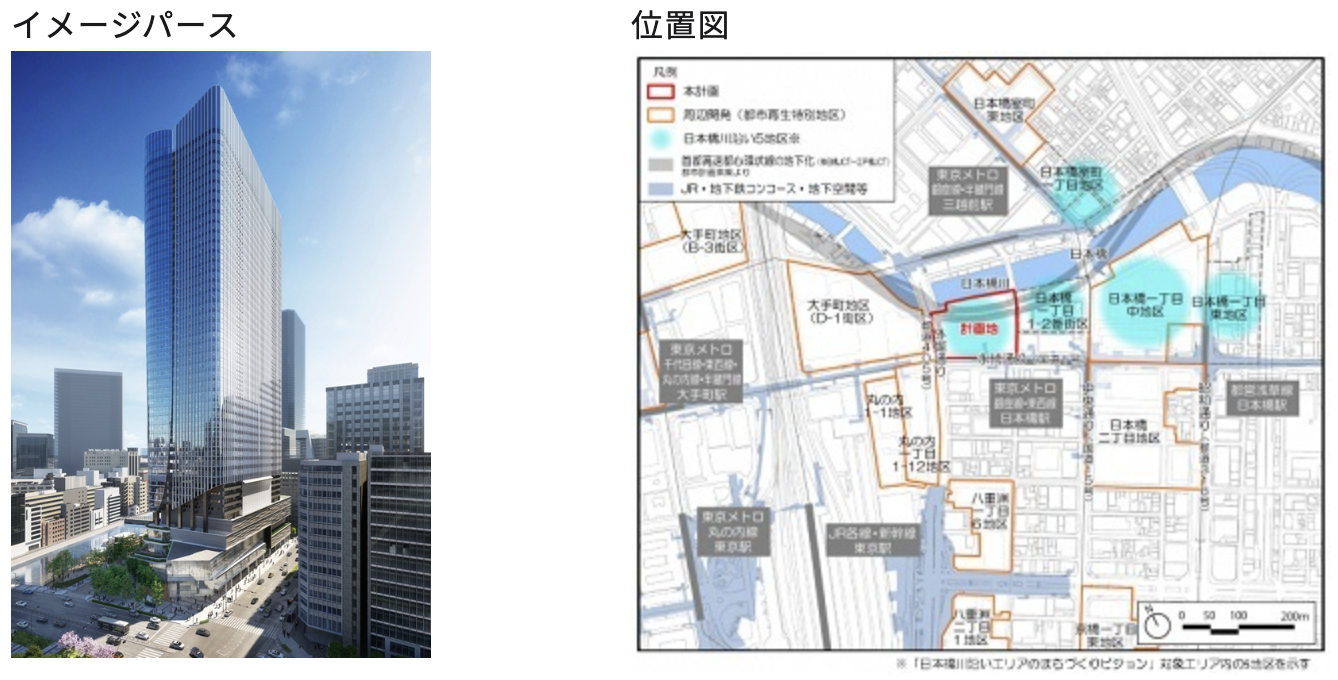
Discover how Tokyo's Gofukubashi Project aims to transform urban development and enhance the city's role as a global financial hub.
Renting to a foreign tenant in Japan starts with a government-issued 14-item document checklist — a formal, multilingual process with no direct equivalent in US, UK, or Australian leasing. This guide translates MLIT's (国土交通省, Ministry of Land, Infrastructure, Transport and Tourism) checklist in full, shows how lease length is set by visa category, profiles the 52 registered guarantor companies that support multiple languages, and breaks down real move-in costs for an ¥80,000/month (approx. USD 533/month) studio — roughly ¥372,837–396,837 (approx. USD 2,486–2,646) due before move-in.

Explore the Shibuya 2-chome West Urban Area Redevelopment Project and its focus on human capital, enhancing Shibuya's international appeal and urban functionality.
An in-depth look at the motivations driving affluent Chinese investors to Tokyo's luxury property segment, with analysis of the latest trends in the ultra-premium penthouse market.
Explains the procedures required for Chinese investors to purchase real estate in Japan. Covers practical points such as alternative documents unique to China, where there is no seal impression certification system, regulations on fund remittance, and the selection of a tax agent.