Skip to content
Real Estate Intelligence

Markets reads the Japanese real estate market through data and primary sources. It covers market indicators such as land prices, rents and transaction volumes, redevelopment plans, and area-by-area supply-and-demand analysis. It is written for investors, owners and practitioners deciding whether to buy now or wait, and which areas are likely to appreciate. Rather than gut feeling, we cross-check published statistics against on-the-ground observation from our brokerage and management work, and explain why prices and rents move and the structural forces behind them.

Key topics

  • Market Insights — Market-wide trends and data on land prices, rents and transaction volume.
  • Redevelopment — How redevelopment plans shape area value and future potential.
  • Area Analysis — Supply, demand and potential compared by city, rail line and district.

Common questions

Is now a good time to buy real estate?
There is no single answer. It depends on interest rates, local supply and demand, and your holding goals. This section organizes market data and redevelopment trends so you can decide against your own criteria.
How do I spot areas likely to appreciate?
Overlay four factors: redevelopment plans, transport infrastructure, demographics and new supply. Our area-analysis articles explain the specific indicators we use.
What sources is your market data based on?
Published statistics such as official land prices and the real estate price index, cross-checked with observations from our brokerage and management operations. Sources are cited in each article.
About our editorial process:About the companyEditorial policyAuthors

This section is updated on an ongoing basis as new public information and market developments emerge.

How to Sell a Home in Japan for the Best Price: Appraisals, Pricing Strategy, and Costs Explained

A practical guide for owners and overseas investors to selling a home in Japan at the highest price — from Japan's distinctive brokerage-agreement types and appraisal practices, to realistic costs, taxes, and how to choose a trustworthy agency.

Tower Mansion Parking in Japan: Types, Costs, and What to Check Before You Buy

Tower mansions (tawamanshon) — Japan's high-rise condominiums — use a parking system unlike most Western condos: flat, mechanical, and self-park garages, with far fewer spaces than units. This guide explains the three types, typical monthly fees in US dollars, and the key checks for international buyers and investors.

How Japanese Landlords Set Rent from Yield: A Foreign Investor's Guide to Fair Market Rates and Vacancy Strategy

In Japan, fair market rent is set by three factors: yield-based calculation, comparison with neighboring listings, and the property's own value — a framework that differs from how many Western investors price a rental. This guide walks international owners of Japanese property through the formula for reverse-calculating monthly rent from purchase price and target yield, vacancy tactics that do not rely on cutting rent, and a five-step process from pre-listing checks to post-listing review. Figures here are general benchmarks; consult a qualified professional, such as a tax accountant or financial adviser, before making a final decision.

INA NETWORKMarket Insights

When Is the Best Time to Sell a Mansion in Japan? Market Data, Building Age, and a Foreign Investor's Guide

The right time to sell a Japanese mansion (condominium) hinges on four factors: market prices, the neighborhood, building age, and distance to the station. This guide explains the data behind each one, with currency conversions and comparisons for English-speaking property investors.

INA NETWORKMarket Insights

5 Mindsets of Successful Real Estate Investors in Japan: Data-Driven Decisions and a Long-Term Strategy

The five mindsets shared by successful real estate investors in Japan, explained for English-speaking investors. From risk management and market analysis to a long-term strategy, learn the decision-making process behind professional-grade Japanese property investing.

Gross Yield vs. Net Yield in Japanese Real Estate: What International Investors Need to Know Before Buying

A guide for international investors to Japan's gross yield (hyōmen rimawari) and net yield (jisshitsu rimawari) — how they differ, typical rates by city, and the earthquake-standard and building-management checks Japanese property professionals rely on before buying.

INA NETWORKArea Analysis

Inside Kokura's Uomachi 3-chome Redevelopment: How Japan Rebuilds an Arcade Shopping Street for Disaster Resilience

A close look at the Uomachi 3-chome Block 2 Type 1 Urban Redevelopment Project in Kokura, Kitakyushu: its scope, its March 2026 addition to the city's location optimization plan, and what it signals for disaster resilience, retail, and housing supply for overseas investors.

Japan's Residential Property Price Index: How to Time a Condo Sale

Japan's Residential Property Price Index (不動産価格指数) is an official price-trend indicator published monthly by MLIT. This guide explains how to read the condominium (owner-occupied) series, the hedonic method behind it, how to combine it with the official land-price survey, actual transaction prices, and REINS, and the five steps and four cautions for timing a condo sale — with comparisons to the US Case-Shiller/FHFA and UK ONS indices for overseas investors.

INA NETWORKMarket Insights

Reading Japan's RC Apartment Construction Cost Index: April 2026 Data and the Logic Behind Land-Use Decisions

Japan's construction cost index for RC (reinforced-concrete) apartment buildings kept climbing in April 2026. Using Tokyo's RC apartment construction-cost index of 143.8, we explain the financial checks every owner should run before committing to a land-use or rental project.

INA NETWORKArea Analysis

The Minami-Koiwa 7-chome Station Redevelopment: A Japan-Specific Plan for International Investors

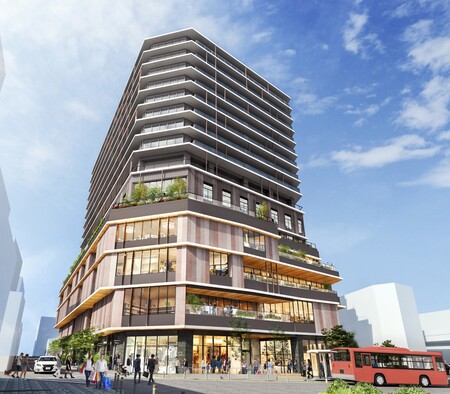
A full guide to the Minami-Koiwa 7-chome Station-front District Type 1 Urban Redevelopment Project (第一種市街地再開発事業): plan outline, public-space upgrades, and what the south exit of Koiwa Station means for hands-on real-estate practice in Tokyo.

INA NETWORKArea Analysis

Musashi-Koganei North Exit Redevelopment: Inside the 33-Storey South Block Plan

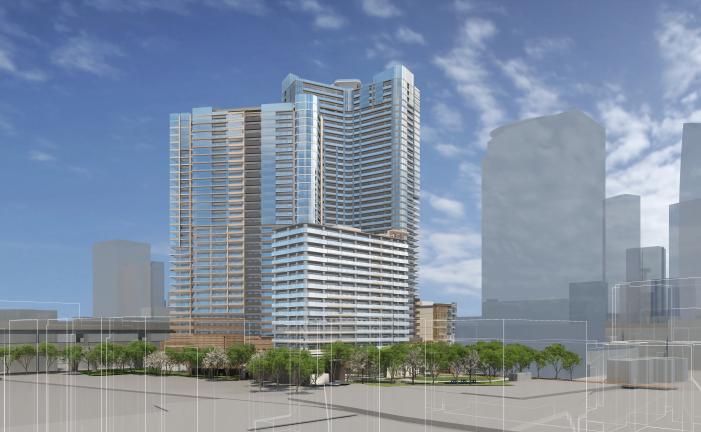
A plain-English guide to the South Block of the Musashi-Koganei Station North Exit East District redevelopment in Tokyo: a 33-storey, ~122m residential-commercial tower with 415 homes, new plazas and pedestrian decks, and a 2029 completion target, explained from official sources for global investors.

INA NETWORKMarket Insights

What Is Strategic Tenant Recruitment? A Property Manager's Guide to Leasing Methods, Cost Structures, and Vacancy Prevention in Japan

A professional's guide to tenant recruitment in Japan: the difference between general (ippan boshu) and exclusive (sennin boshu) listings, the leasing cost structure, self-sourcing methods, and how to choose a leasing agent, plus practical vacancy-prevention tactics.

INA NETWORKArea Analysis

Redevelopment of the second block in front of JR Kurume Station | Key points of the 36th floor complex tower

JR Kurume Station Second Block Redevelopment is a mixed-use development in front of the station that combines a 36-story residential building with commercial, medical, and bicycle parking spaces. Organize the plan outline and investment perspective.

Overview of the Mita Koyamacho West District Type 1 Urban Redevelopment Project: Block Reorganization Advancing Along Furukawa Beside Azabu-Juban
INA NETWORKArea Analysis

Overview of the Mita Koyamacho West District Type 1 Urban Redevelopment Project: Block Reorganization Advancing Along Furukawa Beside Azabu-Juban

The Mita Koyamacho West District Type 1 Urban Redevelopment Project is an approximately 2.5-hectare type 1 urban redevelopment project progressing along Furukawa in Mita 1-chome, Minato City. Targeting the low-lying blocks near Azabu-Juban, the plan, as announced, combines housing, retail, living support facilities, parks, and plazas while advancing parcel reorganization, improved disaster resilience, and better waterfront circulation as one integrated effort.

Overview of the Kita-Aoyama 3-Chome District Redevelopment
INA NETWORKArea Analysis

Overview of the Kita-Aoyama 3-Chome District Redevelopment

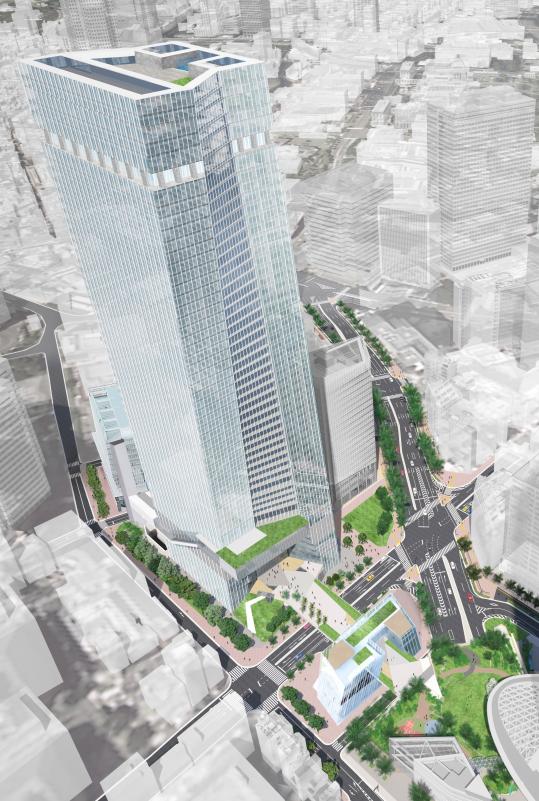
Based on Minato City materials about the Kita-Aoyama 3-Chome District Type 1 Urban Redevelopment Project, this article organizes the developer, scale, uses, road and plaza development, sports facility plan, and the relationship with the Omotesando and Gaienmae surroundings.