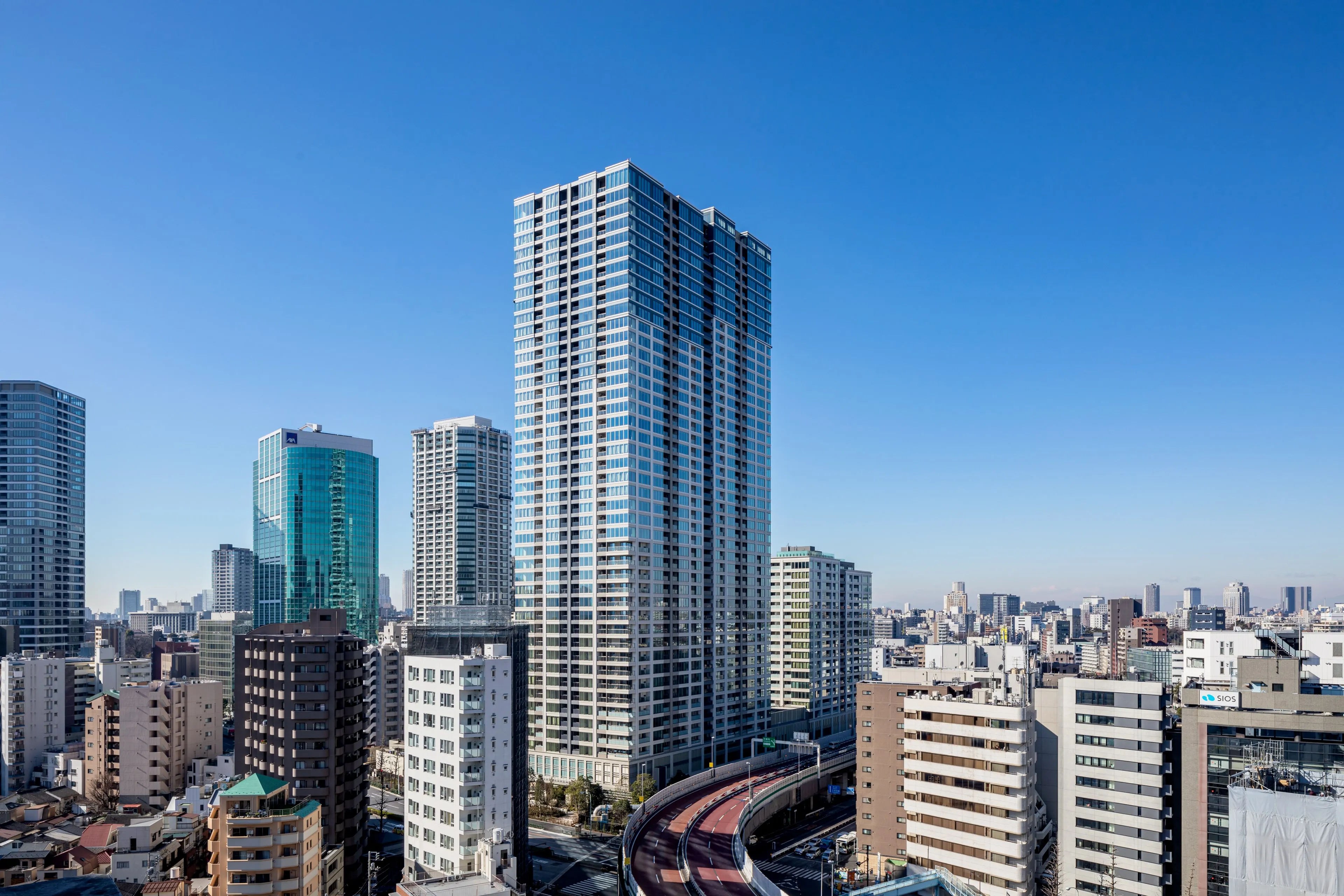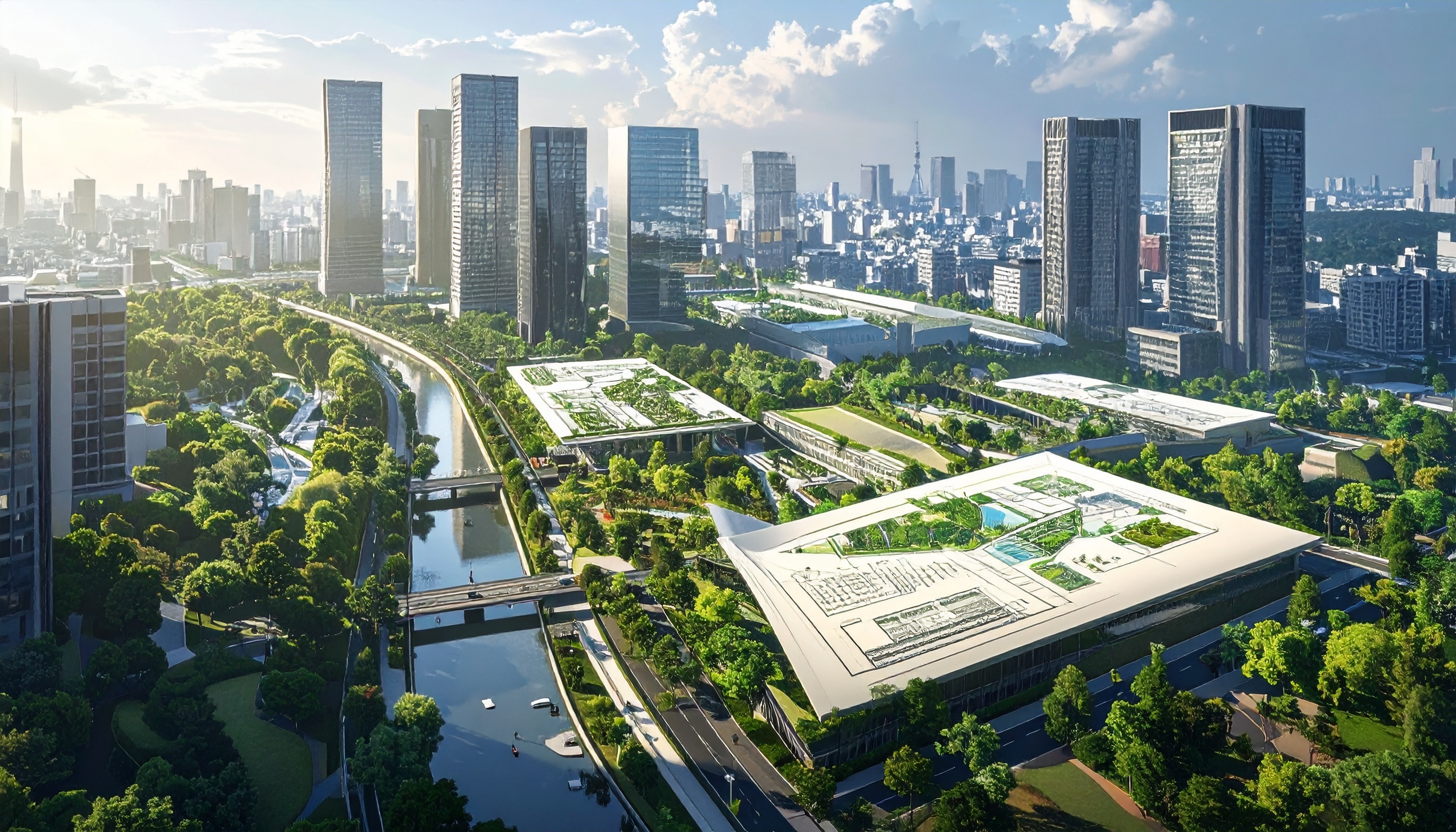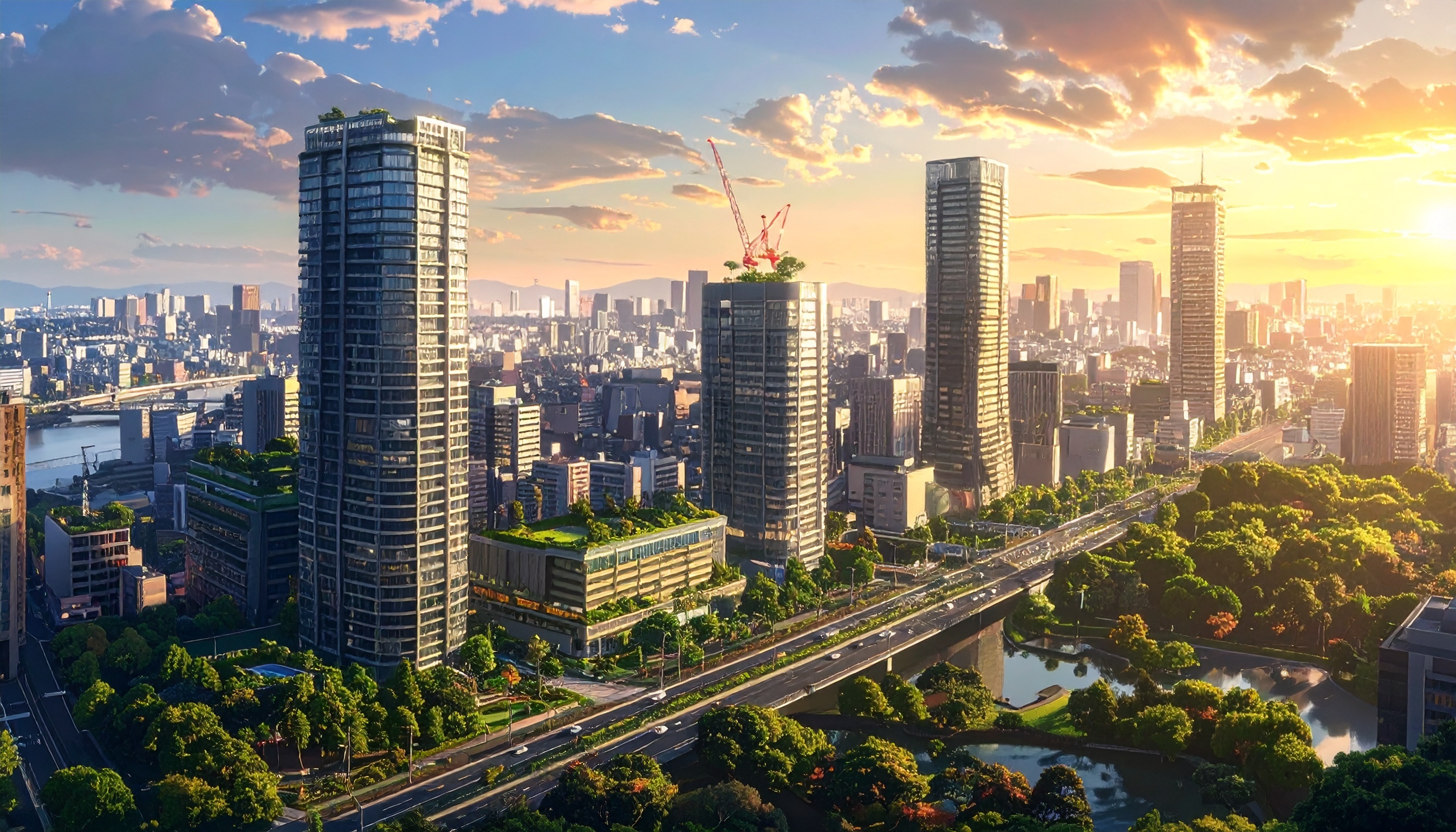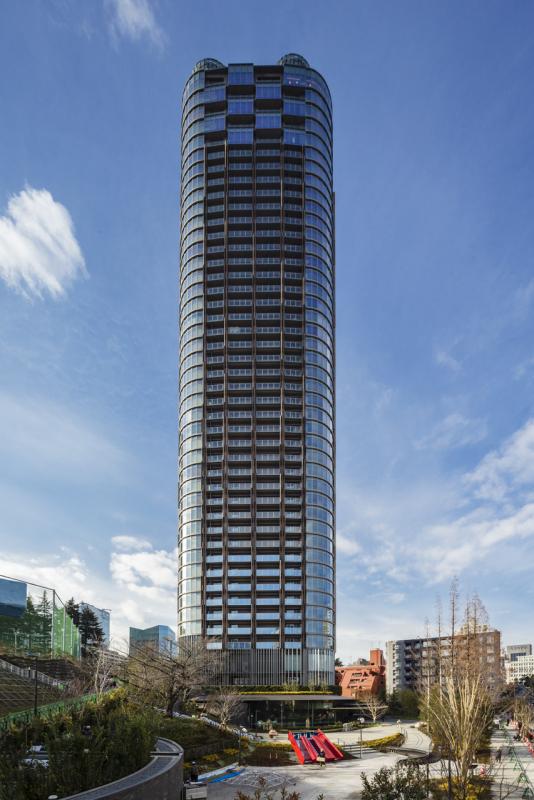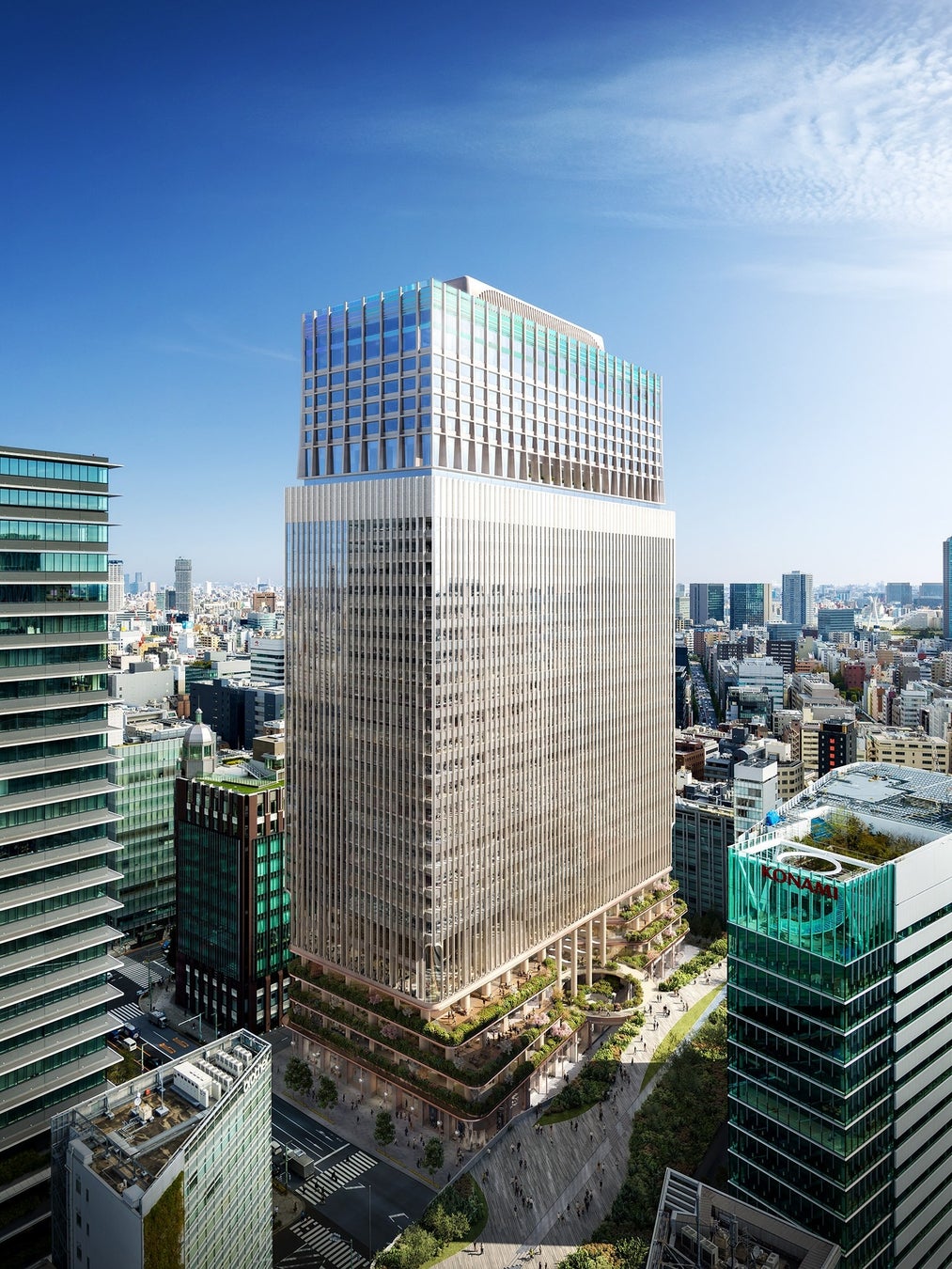
On March 24, 2026, the approval of the rights conversion plan was announced for the Type 1 Urban Redevelopment Project in the Kyobashi 3-chome East District of Chuo Ward, Tokyo. With a project cost of approximately 155.2 billion yen, a large-scale mixed-use building standing 35 stories tall and approximately 180 meters high is scheduled for completion in fiscal year 2032. We will provide an overview of this project, which aims to further enhance the urban functions of the area surrounding Tokyo Station, including its impact on real estate values.
What is the Kyobashi 3-chome East District Type 1 Urban Redevelopment Project?
This project is a Type 1 Urban Redevelopment Project covering an area of approximately 0.9 hectares located in Kyobashi 3-chome, Chuo Ward, Tokyo. The implementing body is the Kyobashi 3-chome East District Urban Redevelopment Association, with Tokyo Tatemono serving as a participating member in a project cooperation capacity.
The urban planning decision was made in January 2023. Subsequently, the association received approval for its establishment in April 2024. Then, on March 24, 2026, the approval of the rights conversion plan was announced, and the project has finally moved into the full-scale implementation phase.
The Kyobashi area is located between Tokyo Station and Ginza. However, compared to the surrounding areas of Yaesu and Nihonbashi, large-scale redevelopment efforts have been somewhat limited until now. This project is positioned as an initiative to fundamentally revitalize the urban functions of the Kyobashi area.
What is the scale of the project, and what are the main facilities?
Building Overview
The building will be a steel-framed structure (with some reinforced concrete and steel-reinforced concrete sections), comprising 3 basement levels and 35 above-ground floors, standing approximately 180 meters tall. The total floor area will reach approximately 166,800 square meters, and the site area is approximately 6,820 square meters. The planned floor area ratio is approximately 1,990%, reflecting a design that maximizes the efficient use of downtown space.
Primary Uses
The building is slated to house offices, an international-standard hotel, retail spaces, residential units, community facilities, and parking. Of particular note is the inclusion of an international-standard hotel. This is intended to strengthen hospitality functions and serve as a hub for inbound tourism demand in the area surrounding Tokyo Station.
The office floors are intended for use as headquarters or regional management hubs for global companies. Regarding residential units, high-quality housing is planned to meet the demand for living in the city center.
Project Cost and Schedule
The project cost is approximately 155.2 billion yen. This is one of the largest-scale urban redevelopment projects in Chuo Ward, Tokyo in recent years, and the fact that Tokyo Tatemono is participating as a member of the consortium underscores the stability of financing and project execution. Construction will begin in December 2026, with offices and retail spaces scheduled to open partially in fiscal year 2030. Completion of the entire project, including the hotel, is scheduled for fiscal year 2032.
Although this is a long-term project spanning approximately six years, the phased opening of facilities is expected to generate economic ripple effects for the local community from an early stage.
What are the three distinctive initiatives?
Enhancing Regional Connectivity
A major feature of this project is the development of underground pedestrian walkways and an underground station plaza. This will expand the underground pedestrian network connecting Tokyo Station to Kyobashi Station, creating routes that allow for comfortable travel regardless of weather conditions.
Another notable feature is the connection to the space above the KK Line (Tokyo Expressway). Plans are underway to convert the space above the KK Line into a pedestrian area known as the “Tokyo Sky Corridor.” This project will develop the connecting space, thereby improving accessibility at ground level as well. As a result, the pedestrian network around the Tokyo Station area will be significantly strengthened both underground and above ground.
Creating a Vibrant Atmosphere
As part of cultural initiatives, plans are underway to establish facilities dedicated to art and craftsmanship. These facilities will serve as platforms for young artists to showcase their work, as well as provide spaces for their development and networking. Kyobashi is already known as an area with a concentration of galleries, and the aim is to further develop this cultural character.
Furthermore, the development of world-class hotels will contribute not only to business activity but also to tourism and cultural vibrancy. Combined with surrounding Tokyo downtown redevelopment projects, this is expected to enhance the appeal of the entire area.
Disaster Preparedness and Environmental Sustainability
This project will include the construction of a temporary shelter for people unable to return home and a disaster preparedness storage warehouse. These facilities will serve as a regional disaster response hub in preparation for a major earthquake directly beneath the capital.
In terms of energy, a cogeneration system and emergency generators will be installed. The design aims to balance improved energy efficiency during normal times with a reliable power supply during disasters. This initiative is also significant from the perspective of sustainable urban development.
How will this affect real estate values in the Kyobashi area?
Multiple large-scale redevelopment projects are currently underway simultaneously around Tokyo Station. In the Yaesu area, Tokyo Midtown Yaesu has already opened, and redevelopment plans are progressing in the Nihonbashi area as well. Mitsubishi Estate’s TOKYO TORCH project is also being developed in phases. The redevelopment of the Kyobashi 3-chome East District is expected to create synergies with these projects.
We believe that the redevelopment of this area will go beyond individual projects to bring about structural changes that will raise the overall real estate value of the entire district. In particular, the following points are key areas that property owners and investors should keep a close eye on.
Regarding changes in office demand, the construction of a large-scale building with a total floor area of approximately 166,800 square meters will impact the surrounding office market. While tenants are expected to move into the new building, existing buildings may face a risk of vacancies. This is precisely why value-enhancement strategies for existing properties are crucial.
The ripple effects on the residential market should not be overlooked. As the convenience of the city center further improves, a positive impact on residential demand in surrounding areas such as Kyobashi, Hatchobori, and Tsukiji is expected. The expansion of the underground pedestrian network is a factor that enhances the area’s appeal as a residential environment.
Commercial revitalization driven by the attraction of hotels will also boost customer traffic for nearby retail and dining tenants. Capturing inbound demand could potentially influence rental rates for properties. As investment in Japan’s luxury real estate by affluent foreigners accelerates, the presence of world-class hotels will also enhance the area’s international profile.
The contribution of the underground pedestrian network to property values is another key consideration. The development of pedestrian routes connecting Tokyo Station to Kyobashi Station and further to the Tokyo Sky Corridor expands the concept of “walking distance.” Properties previously considered “far from the station” may see their practical accessibility significantly improved through the construction of these underground passages.
From a long-term perspective, this area—where major projects in Tokyo’s redevelopment zone are concentrated—is a key hub that will determine Tokyo’s competitiveness as an international city. Rather than reacting to short-term price fluctuations, investment decisions must be made with a view to what the area will look like in five or ten years. We aim to support our owners’ decision-making based on reliable data and transparent information.
Summary
Here is a summary of the key points of the Kyobashi 3-chome East District Type 1 Urban Redevelopment Project.
- A large-scale mixed-use development with a project cost of approximately 155.2 billion yen, featuring 3 basement levels, 35 above-ground floors, a height of approximately 180 meters, and a total floor area of approximately 166,800 square meters
- Primary uses include offices, an international-standard hotel, retail spaces, residential units, and community facilities
- Construction is scheduled to begin in December 2026, with partial occupancy of offices and other facilities starting in fiscal year 2030, and full completion in fiscal year 2032
- Enhanced regional connectivity through underground pedestrian walkways and connections to the Tokyo Sky Corridor
- Balancing culture and disaster preparedness through facilities such as art and craft cultural centers and temporary shelters for stranded commuters
- Expected to boost real estate values across the entire area through synergies with surrounding redevelopment projects such as Yaesu, Nihonbashi, and TOKYO TORCH
Frequently Asked Questions (FAQ)
Q1. When will the Kyobashi 3-chome East District Redevelopment Project be completed?
A. Overall completion is scheduled for fiscal year 2032. However, some offices and retail spaces are planned to begin operations in fiscal year 2030. Construction is scheduled to begin in December 2026.
Q2. What is the project budget, and who are the project partners?
A. The project cost is approximately 155.2 billion yen. The implementing body is the Kyobashi 3-chome East District Urban Redevelopment Association, with Tokyo Tatemono serving as a participating member in the project. Approval of the rights conversion plan was announced on March 24, 2026.
Q3. What types of facilities are planned?
A. The plan includes offices, an international-standard hotel, retail spaces, residential units, community facilities, and parking. Additionally, it will be a mixed-use building equipped with cultural and disaster-preparedness functions, such as facilities for art and craftsmanship, as well as temporary shelters for people unable to return home.
Q4. How will this affect property values in the surrounding area?
A. Synergistic effects are expected with the redevelopment projects in the Tokyo Station area, such as Yaesu, Nihonbashi, and TOKYO TORCH. Improvements in the convenience and appeal of the entire area—including the expansion of the underground pedestrian network and the revitalization of commerce through the attraction of hotels—are expected to have a positive impact on surrounding property values.
Citations & References
- Tokyo Metropolitan Government, “Urban Planning Decision for the Kyobashi 3-chome East District Type 1 Urban Redevelopment Project” (January 2023)
- Tokyo Metropolitan Government, “Approval for the Establishment of the Kyobashi 3-chome East District Urban Redevelopment Association” (April 2024)
- Tokyo Metropolitan Government, “Approval of the Rights Conversion Plan for the Kyobashi 3-chome East District Type 1 Urban Redevelopment Project” (March 2026)