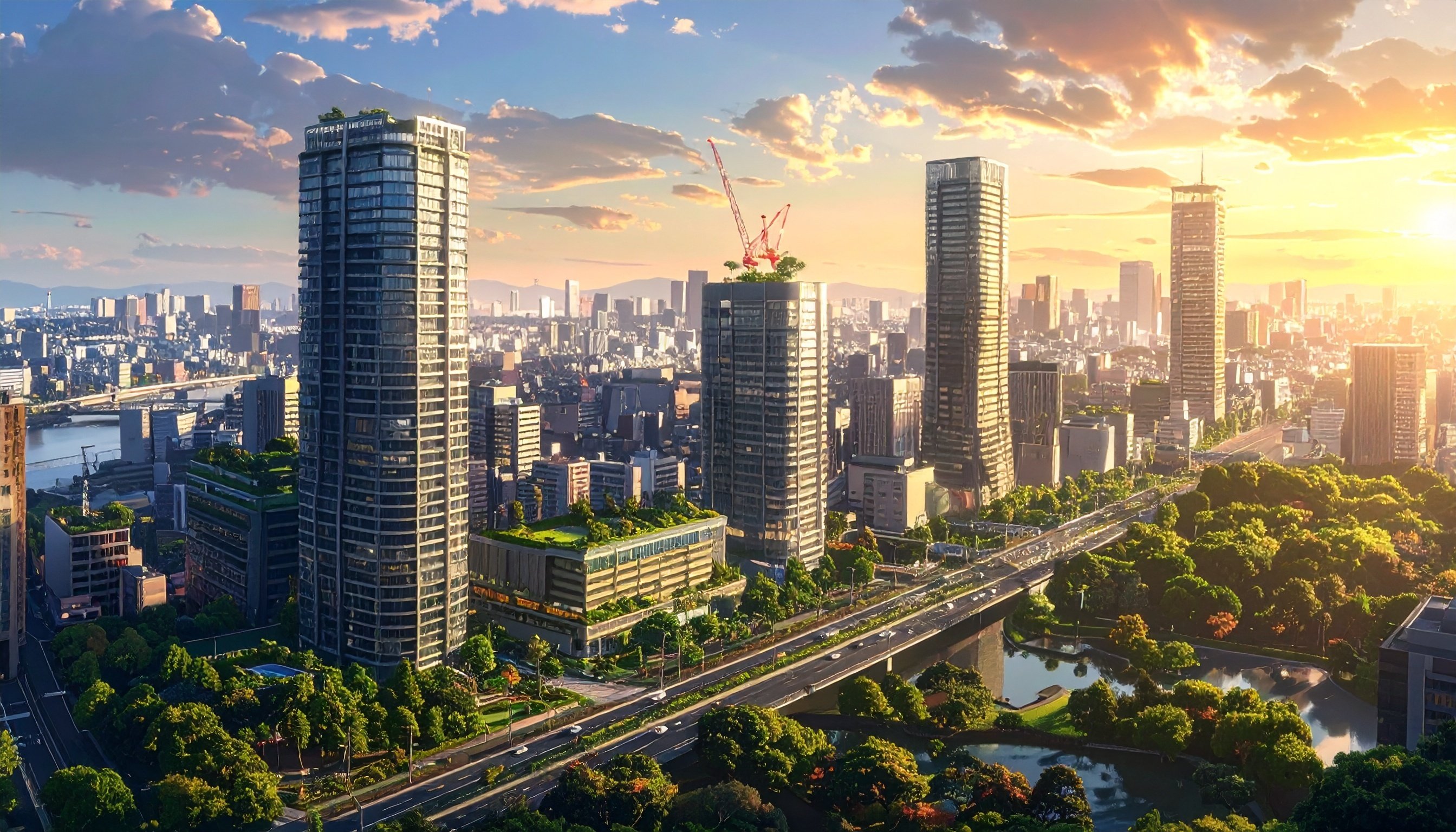
Large-scale urban redevelopment projects underway in central Tokyo are dramatically renewing the city's functions and landscape, significantly changing real estate values. How is redevelopment progressing in areas such as Toranomon/Azabudai, Shibuya, and Shinagawa, and what benefits and risks does it bring to investors? We get to the heart of redevelopment from the perspective of real estate value enhancement.
How Far Has Redevelopment in the Toranomon/Azabudai Area Progressed?
This article is based on information published as of March 2025.
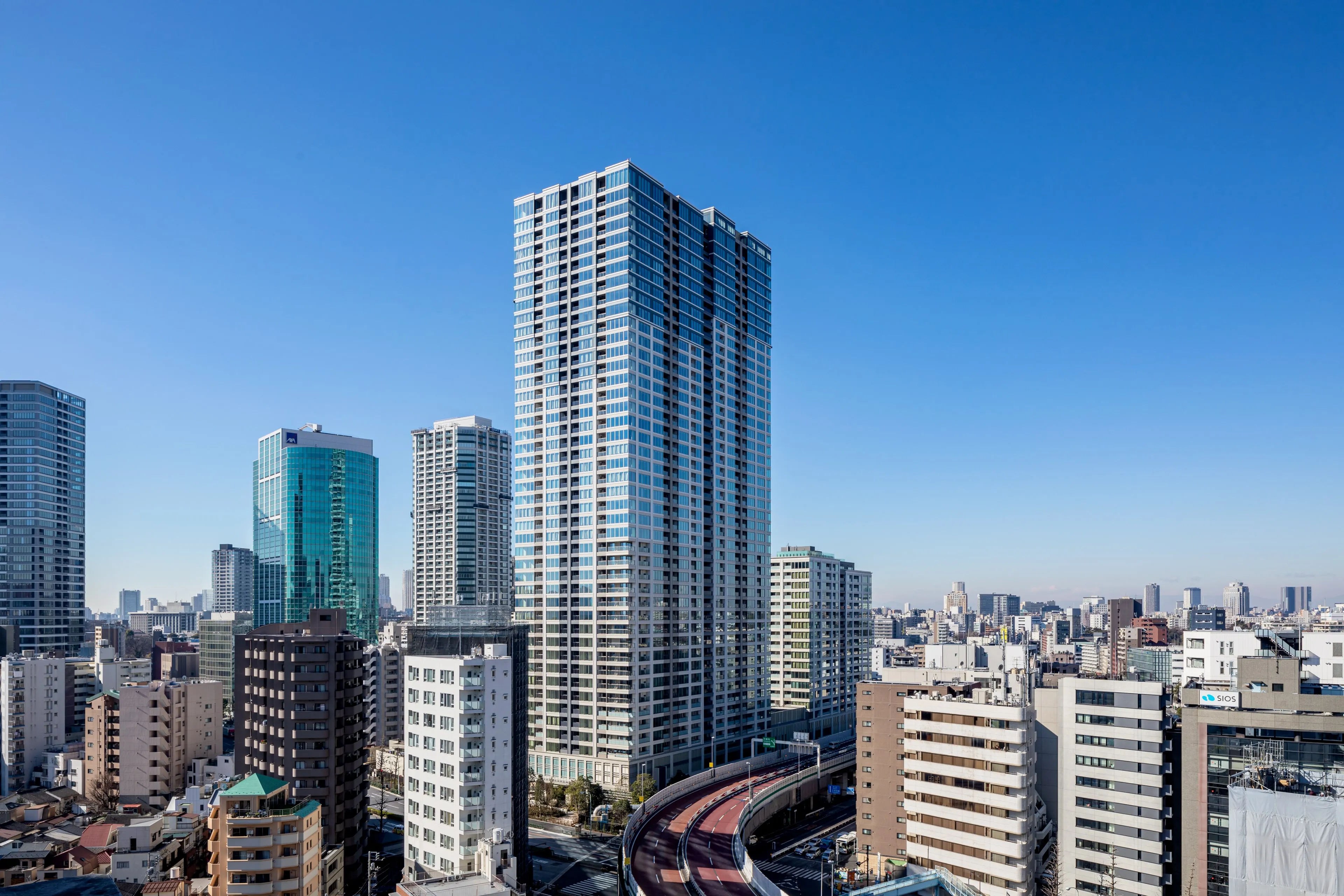
Through a large-scale redevelopment spanning approximately 35 years led by Mori Building, the Toranomon/Azabudai district is transforming into the most attention-grabbing international business hub in central Tokyo. A partial opening as "Azabudai Hills" took place in November 2023.
The project site covers approximately 8.1 hectares, with a total project cost of approximately 580 billion yen—an ultra-large-scale project. The main tower, Mori JP Tower, rises 64 floors to approximately 330 meters, and at its opening in November 2023 it became the tallest building in Japan. Office space alone accommodates approximately 210,000 m² of rentable floor space with an expected workforce of 20,000 employees, and the complex is equipped with diverse functions including residences, a luxury hotel (Janu Tokyo), an international school, and a Keio University preventive medicine center.
The effects of the redevelopment are clearly visible in surrounding land prices. Commercial land prices near Toranomon Hills Station rose by approximately twice (more than +110%) from 2012 to 2021. According to Ministry of Land, Infrastructure, Transport and Tourism reports, the Toranomon district showed a high land price increase rate of +17.1% over the most recent year.
How Has the Real Estate Market Changed Due to Redevelopment Around Shibuya Station?
A large-scale redevelopment described as "once in a hundred years" is underway around Shibuya Station, establishing its status as a hub for IT and creative industries. In November 2023, Shibuya Sakura Stage—described as the final piece of the redevelopment—was completed.
In terms of road-frontage land prices, the point in front of Hachiko at Shibuya Station reached 29.44 million yen per m², achieving the second-highest level nationwide as of 2023. Road-frontage land prices in central Shibuya have risen more than 50% over the past five years. The 2023 published land prices also showed that Shibuya Ward ranked at the top of the 23 wards for commercial land appreciation rate.
Google and other domestic and international companies have moved into new offices, and a new facet of Shibuya is forming—transitioning from a youth culture district into a business hub gathering cutting-edge companies. With the development of large commercial facilities and plaza spaces directly connected to the station, pedestrian circulation and disaster preparedness have also dramatically improved.
Why Is the Shinagawa/Tamachi Area Called the "Second Marunouchi"?
The Shinagawa area is undergoing large-scale redevelopment that will transform it into Tokyo's international gateway as the planned terminal station for the Linear Chuo Shinkansen. The opening of Takanawa Gateway Station and the Takanawa Gateway City development are creating a new office cluster.
Takanawa Gateway Station—the first new Yamanote Line station in approximately 50 years—opened in 2020, and the Shinagawa development project (Takanawa Gateway City), including a cultural facility designed by Kengo Kuma and a large plaza space, has been advancing. The town opening took place on March 27, 2025, when the station-connected "THE LINKPILLAR 1" opened first, and a grand opening including the remaining blocks followed on March 28, 2026.
In terms of transportation, the Linear Chuo Shinkansen is planned to connect Shinagawa and Nagoya in as little as 40 minutes, but in March 2024 JR Central abandoned the 2027 opening, and it says that because it cannot start tunnel excavation in the Shizuoka section it cannot foresee a new opening date either. The future picture in which the three major cities of Tokyo, Nagoya, and Osaka function as a major economic zone—a "Super Mega Region"—needs to be considered on the premise that no opening date is factored in. For Minato Ward as a whole, 2024 benchmark land prices showed a high growth rate of +9.0% year-on-year, and the Konan area east of Shinagawa Station saw a residential land price increase rate of +18.6% year-on-year in 2025, the highest level in the 23 wards.
What Is Happening with Redevelopment Around Tokyo Station?
Multiple super high-rise projects are underway around Tokyo Station, including the construction of Torch Tower (approximately 385 meters tall), which will be the tallest building in Japan. Upon completion, it is expected to become a new Tokyo landmark and serve as a core that attracts investment capital from both domestic and international sources.
In the TOKYO TORCH project being developed by Mitsubishi Estate, Torch Tower (63 floors above ground, approximately 540,000 m² of total floor area), scheduled for completion in 2028, will feature a luxury hotel (Dorchester Collection), a 2,000-seat theater-style hall, and the highest observation facility in central Tokyo. A large-scale plaza named "Tokyo Torch Park" of approximately 7,000 m² will also be developed.
On the Yaesu side, redevelopment projects such as Tokyo Midtown Yaesu (45 floors above ground, opened in 2022) are also advancing, and the area continues to transform into a new district combining offices, commercial facilities, and a bus terminal. Marunouchi and Otemachi maintain the highest rent levels and lowest vacancy rates in the country.
What Impact Does Redevelopment Have on Real Estate Investment?
Large-scale redevelopment pushes up land prices and rents in surrounding areas, bringing investors the benefit of rising asset values. Land prices in Toranomon, Shibuya, and Shinagawa have all risen by tens of percent to double compared to before redevelopment, substantiating the formula that redevelopment = real estate value enhancement.
In central Tokyo, demand for high-quality offices remains strong, and buildings with the latest specifications tend to have an advantage in tenant recruitment. After the COVID-19 pandemic, the trend of Japanese companies returning to offices is more pronounced compared to Europe and the United States, and many observers believe that rent suppression from increased supply will be limited.
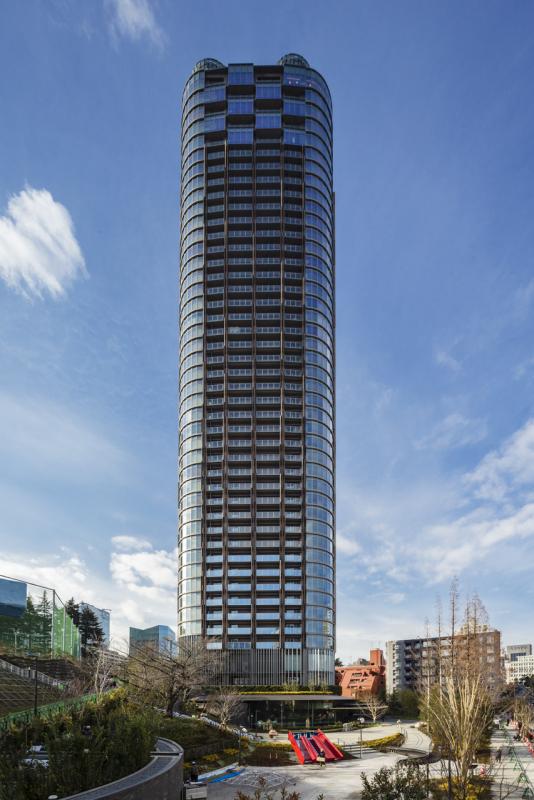
In the residential market as well, the ultra-high-rise residence "Aman Residences Tokyo" (91 units) within Azabudai Hills has attracted strong interest from wealthy individuals both domestically and internationally, and redevelopment properties are serving as vehicles for investment capital as trophy assets. In recent years, acquisitions of prime urban assets by overseas capital have also been coming in rapid succession.
What Changes Does Redevelopment Bring to Local Communities?
Large-scale redevelopment brings multifaceted changes to local communities, not just the renewal of physical infrastructure, but also improvements in transportation convenience, enrichment of the commercial environment, and improvements in disaster preparedness.
New station openings and the construction of pedestrian decks have dramatically improved accessibility. Azabudai Hills has established Japan's first venture capital cluster, "Tokyo Venture Capital Hub," with approximately 70 VC firms gathered to support startups.
On the environmental front, each project is working toward obtaining environmental certifications and implementing measures to reduce environmental impact, such as CO2 emission reductions and rainwater utilization. Azabudai Hills has committed to procuring 100% renewable energy for the entire district (RE100) and aims to realize a decarbonized city.
What Strategies Are Domestic and International Investors Adopting?
Redevelopment in central Tokyo is facilitating the re-entry of cross-border investment capital, and investor strategies are also shifting from "stable income type" to "value-up type."
From the second half of 2024, What Is Tokyo’s Toshin Roku-ku? A Complete Guide to Central Tokyo’s Six Wards and the 23-Ward Investment Map (2025). Major asset managers such as US-based Morgan Stanley and Brookfield have established Japan-focused funds and are advancing fundraising in the range of 100 billion yen.
In terms of investment strategy, the inclination toward value-up type investments targeting revenue improvements through renovations and rent increases is growing stronger. From an ESG investment perspective, fundraising through green bonds is also increasing, with examples such as Mori Building issuing green bonds for the Toranomon/Azabudai project.
For wealthy individuals as well, prime central Tokyo real estate holds medium-to-long-term appeal from both asset preservation and status perspectives, and overseas wealthy buyers are increasingly making purchases to take advantage of yen depreciation.
How Does Tokyo's Redevelopment Impact Urban Structure and the Economic Zone?
The group of redevelopment projects is evolving Tokyo into a polycentric, decentralized city, and if the Linear Chuo Shinkansen, whose opening date is now undetermined, is realized, they have the long-term impact of potentially contributing to the formation of a mega-region of about 100 million people.
As each core area forms distinctive industrial clusters—Shibuya (IT and creative), Toranomon (international business), Shinagawa (advanced technology and interchange hub)—a diverse economic ecosystem is being cultivated in Tokyo as a whole. This also contributes to risk diversification in the event of a disaster and the equalization of commuting congestion.
Taking Japan's regulatory environment into account as well, the value of real estate is changing to encompass not only economic returns but also environmental and social value. Tokyo's redevelopment continues to enhance the overall added value of the city through investment in the future on both hardware and software fronts.
Frequently Asked Questions (FAQ)
Q. How much have land prices risen in Tokyo's redevelopment areas?
Commercial land prices near Toranomon Hills Station approximately doubled from 2012 to 2021. Road-frontage land prices in central Shibuya have also risen more than 50% in five years, and the Konan area east of Shinagawa Station saw a residential land price increase rate of +18.6% year-on-year in 2025, the highest level in the 23 wards.
Q. What risks should be kept in mind when investing in redevelopment areas?
The rush of office building completions from 2023 to 2025 may temporarily raise vacancy rates. However, demand for buildings with the latest specifications remains strong, and over the medium to long term, rent suppression from increased supply is expected to be limited.
Q. Which areas are foreign investors paying attention to?
Toranomon/Azabudai, Shinagawa, and the Tokyo Station area are receiving particular attention. Against the backdrop of yen depreciation and a sense of affordability, major US asset managers and Asian sovereign wealth funds are establishing Japan-focused funds, accelerating the inflow of investment capital.
Q. How will the Linear Shinkansen affect the real estate market?
If the Linear Chuo Shinkansen opens, it will start from Shinagawa Station and connect Shinagawa and Nagoya in as little as 40 minutes. However, JR Central abandoned the 2027 opening in March 2024, and a new opening date is undetermined. A rise in value in the Shinagawa area from the formation of a major economic zone by the three major cities can be expected over the long term, but it is wise to avoid building investment decisions on an assumed opening date.