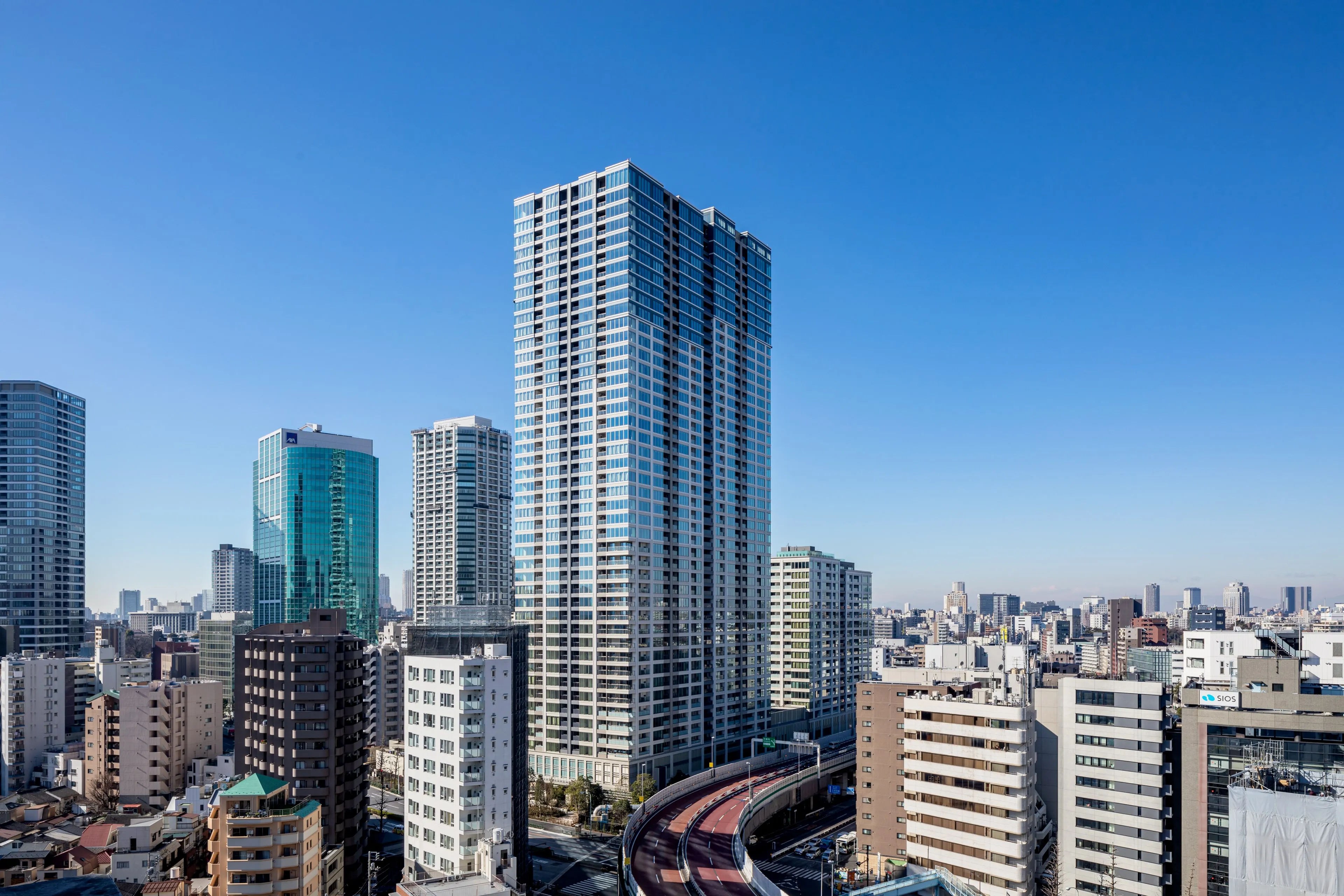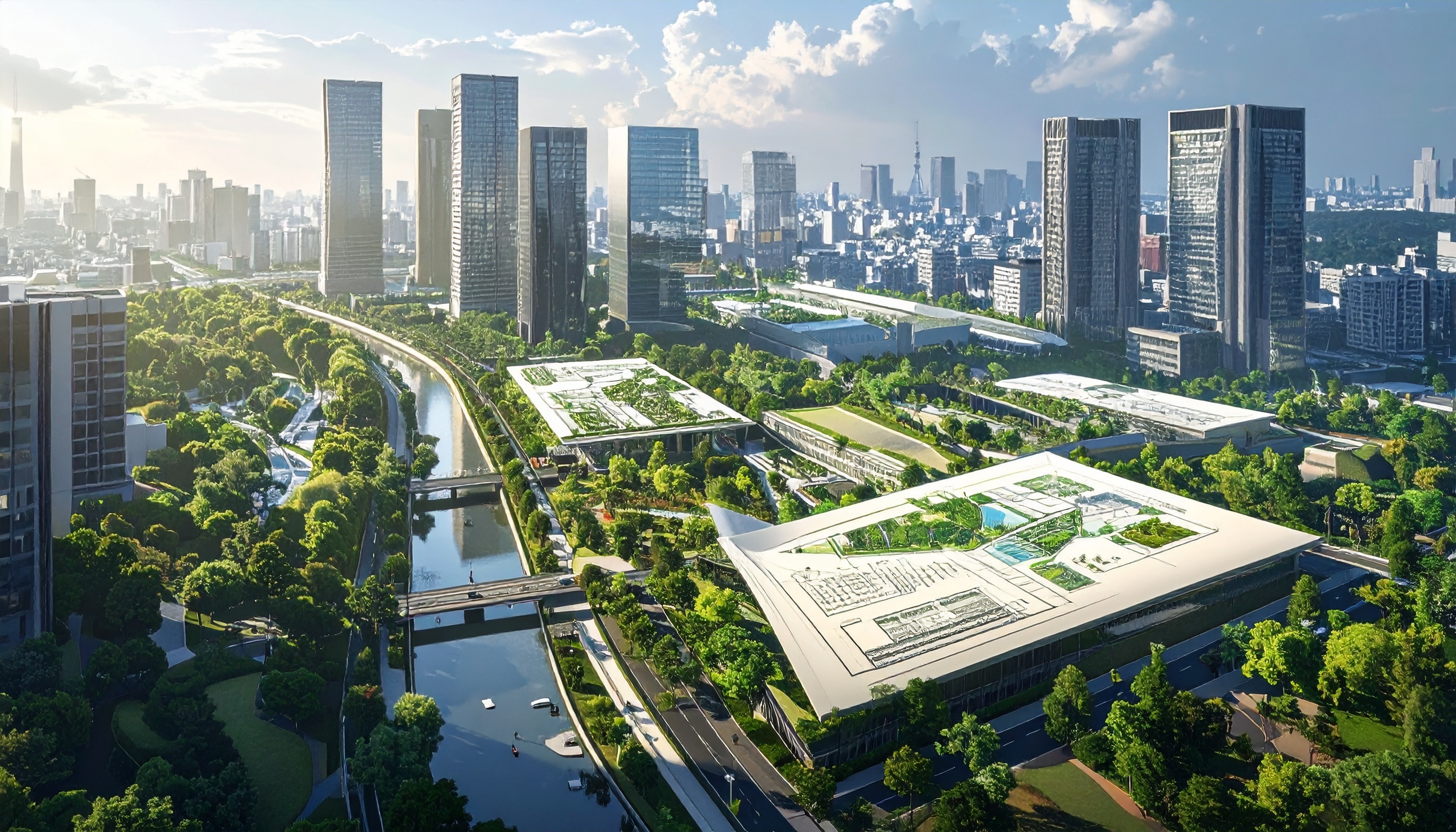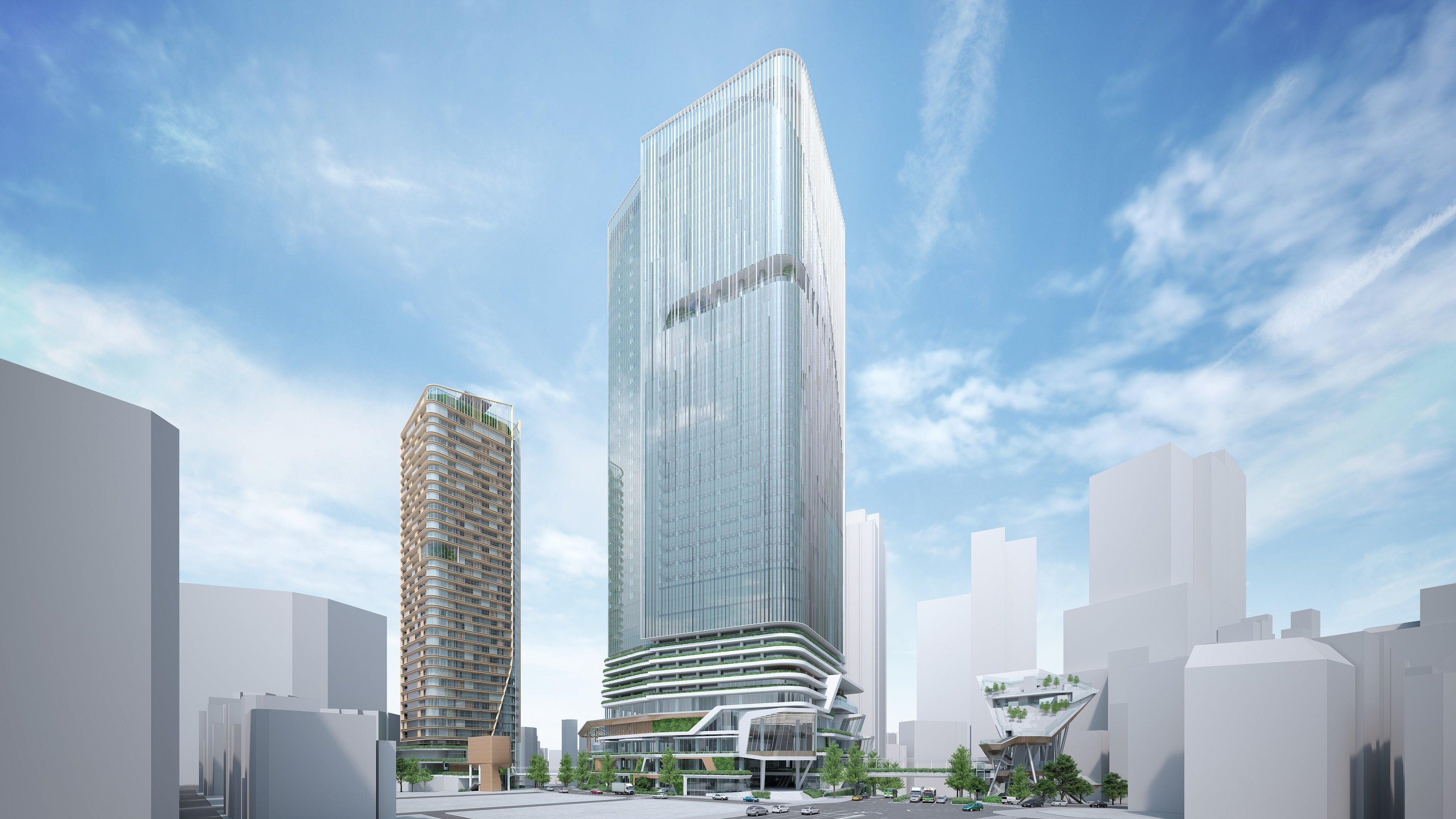
On the east side of Shibuya Station in the Miyamasuzaka area, the largest redevelopment project in the Shibuya district is steadily taking shape. The "Shibuya 2-Chome West District Type I Urban Redevelopment Project" is a large-scale project with a combined total floor area of approximately 238,000㎡ for Blocks A and B alone. In August 2026, the Tokyo Metropolitan Government approved an amendment to the project plan, revising the building construction schedule to begin in November 2029 and complete in February 2035 (both planned). In the 2026 official land price assessment, Sakuragaoka-cho in Shibuya Ward recorded a year-on-year increase of +29.0%, ranking first across all land-use categories in Tokyo. The impact this redevelopment will have on the broader real estate market is immeasurable. In this article, we examine the latest construction progress, the purpose and scale of each block, and the key points real estate investors should be watching.
The project schedule and plan details in this article are based on information published as of September 2026 (the project plan as amended in August 2026, posted by Shibuya Ward). Timelines may change as the project progresses.
The Largest Redevelopment in the Shibuya Area — A Complete Overview
The "Shibuya 2-Chome West District Type I Urban Redevelopment Project" is located in Shibuya 2-chome, Shibuya Ward, Tokyo (east side of Shibuya Station, Miyamasuzaka area). It has been designated as a National Strategic Special Zone and Special Urban Renaissance District. The project is carried out by the Shibuya 2-Chome West District Urban Redevelopment Association, with Tokyo Tatemono Co., Ltd. and the Urban Renaissance Agency (UR) as key participants driving the initiative. As its official name "Shibuya REGENERATION Project" suggests, this is a project that embodies the "regeneration" of Shibuya at the urban level.
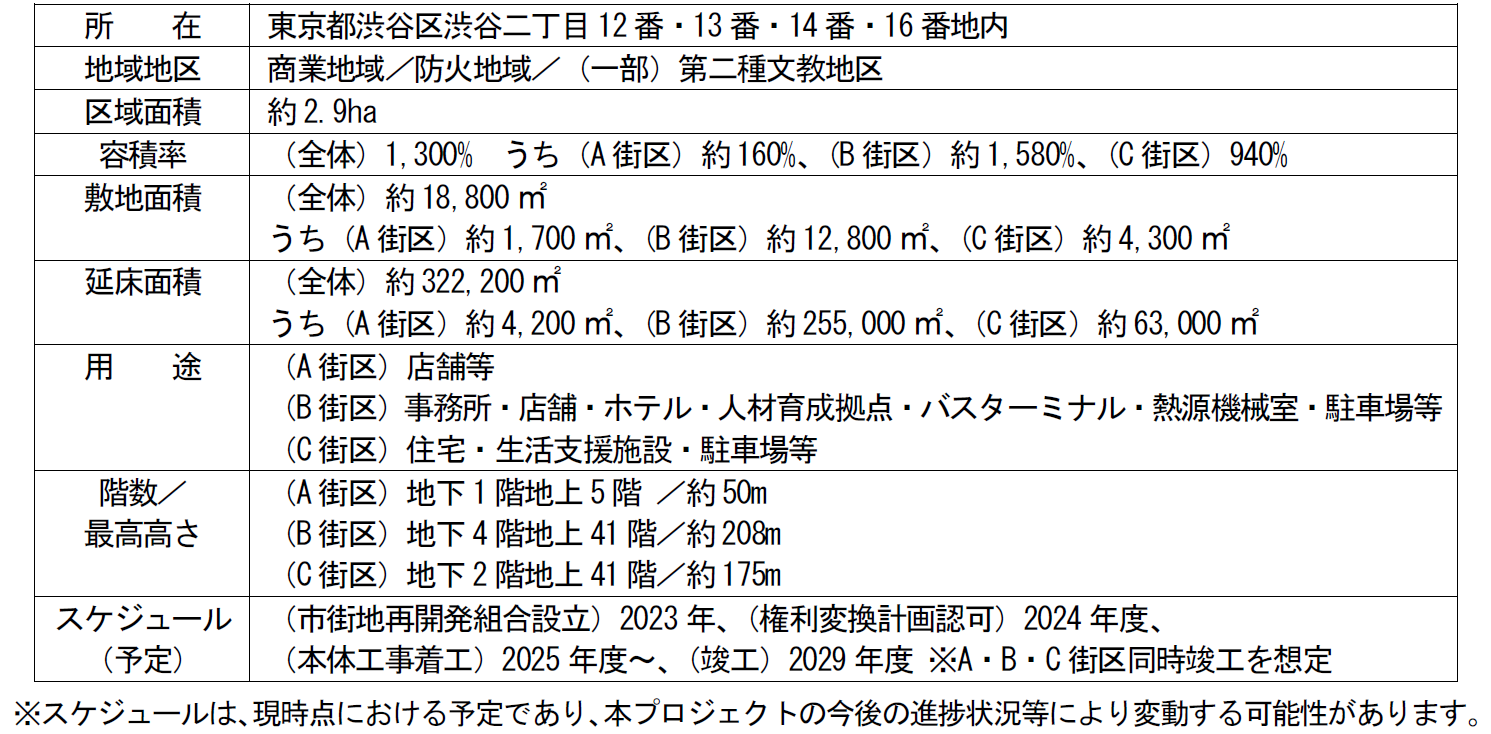
The planned area consists of three blocks — A, B, and C. Of these, Blocks A and B are proceeding as the urban redevelopment project; under the project plan as amended in August 2026, the total floor area is approximately 2,740㎡ for Block A and approximately 235,320㎡ for Block B (Block C is a separate joint reconstruction project, as described below). Designed as a mixed-use development that integrates transportation, industry, and residential functions, the project holds a prominent position in urban planning as an initiative to enhance the competitiveness of Tokyo as a global city.
Purpose and Scale of Each Block
Understanding the characteristics of each block is the first step to accurately grasping the value of this project.
Block A is a commercial facility with 5 above-ground floors and 1 basement floor, standing approximately 46m at its maximum height with a total floor area of approximately 2,740㎡ (under the project plan as amended in August 2026). As a low-rise building facing Aoyama-dori, it serves as a commercial hub that adds vibrancy to the area. While modest in scale, it plays a vital role in creating a cohesive streetscape alongside the large towers of Blocks B and C.
Block B is the centerpiece of the project. Under the project plan as amended in August 2026, it will have 38 above-ground floors and 3 basement floors, standing approximately 192m at its maximum height (measured from TP+33.5m) with a total floor area of approximately 235,320㎡ — revised down from the 41 floors, approximately 208m height, and approximately 255,000㎡ total floor area announced at the redevelopment association's establishment in January 2023. Its primary uses include offices, retail, a hotel, a talent development facility, and a bus terminal. Particularly noteworthy is the approximately 5,000㎡ bus terminal, which will significantly enhance Shibuya Station's function as a transportation hub. The inclusion of a STEAM (Science, Technology, Engineering, Art, and Mathematics) talent development center is a strategic move to position Shibuya as a knowledge industry cluster.
Block C was described, as of the January 2023 announcement, as a tower residence with 41 above-ground floors and 2 basement floors, standing approximately 175m tall with a total floor area of about 63,000㎡ (Block C falls outside the project plan for the urban redevelopment project, and its latest scale and schedule have not been confirmed in published materials). Centered on residential use, it will also include lifestyle support facilities. A tower condominium of this scale within walking distance of Shibuya Station is exceptionally rare, and strong demand is expected from high-net-worth individuals, foreign residents, and professionals seeking to live close to work.
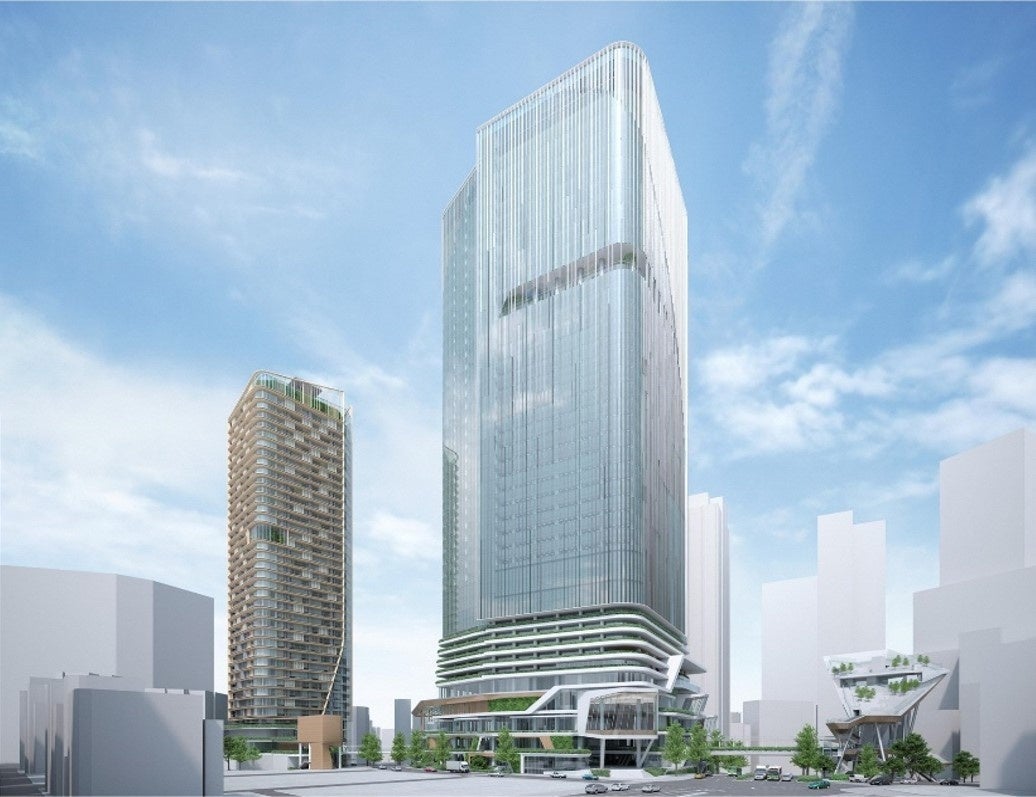
Current Progress — Demolition Work in Full Swing as of March 2026
Following the urban planning decision in March 2022 (announced by Shibuya Ward), the project received approval and the redevelopment association was established in January 2023 under authorization from the Governor of Tokyo. Amendments to the project plan were approved in July 2024 and again in August 2026, and demolition work began in earnest in 2025.
Starting in March 2025, demolition began on the Mizuho Bank Shibuya Operations Center (main building and annex, with a combined floor area of approximately 76,000㎡). This demolition is scheduled for completion by December 2026. Starting in July 2025, demolition of the Token International Building commenced, targeting completion by June 2026. On the ground, the transformation of the streetscape is visibly progressing, and the reality of the redevelopment is becoming increasingly apparent.
Approval of the rights conversion plan and the commencement of main construction during fiscal year 2025, with completion targeted for fiscal year 2029, had originally been the goal. However, under the project plan amendment approved on August 12, 2026, building construction is now scheduled to begin in November 2029 and complete in February 2035 (both planned), with the project implementation period extended to March 2036. Completion has therefore been pushed back more than five years from the original target.
| Milestone | Timeline (planned) |
|---|---|
| Urban Planning Decision | March 2022 (decided) |
| Project Approval / Association Establishment | January 2023 (decided) |
| Demolition Work Begins (Mizuho Bank Shibuya Operations Center, etc.) | March 2025 – |
| Token International Building Demolition | July 2025 – |
| Project Plan Amendment Approval | August 2026 (decided) |
| Building Construction Start | November 2029 |
| Building Construction Completion | February 2035 |
What Is Rights Conversion? Unpacking the Mechanism Behind the Project
The designation "Type I" in the project's official name, the "Shibuya 2-Chome West District Type I Urban Redevelopment Project," refers to a specific method defined under the Urban Redevelopment Act. A Type I urban redevelopment project does not involve the purchase of land. Instead, it uses a "rights conversion" method, under which the rights holders' existing rights to land and buildings are converted, on an equivalent-value basis, into rights to floor space (and a corresponding share of the site) in the newly constructed building. By contrast, a project that proceeds by purchasing land outright is legally classified as a Type II urban redevelopment project.
For this project, following the urban planning decision in March 2022 and the project approval and association establishment in January 2023, the rights conversion plan will be approved (originally scheduled during fiscal year 2025, but under the August 2026 project plan amendment, building construction is now scheduled to begin in November 2029). Once the rights conversion plan is approved, the rights holders' rights are legally converted into rights to floor space in the new building; main construction then begins, and upon completion of the building, the floor space is delivered to the rights holders.
It is worth noting that while Blocks A and B are proceeding as a Type I urban redevelopment project using the rights conversion method, Block C (the former site of the Token International Building) — although located within the same Special Urban Renaissance District — is proceeding under a different scheme: a voluntary "joint reconstruction project" led by its rights holders.
Has the General Contractor for Main Construction Been Decided?
As of this writing (September 2026), the general contractor for the main construction of the high-rise towers in Blocks B and C has not been officially announced. In large-scale urban redevelopment projects, the contractor is typically announced as approval of the rights conversion plan and the start of main construction draw near, and this project is expected to follow the same pattern, with an announcement likely to coincide with the official start of construction.
The contractor for the preceding demolition work, however, is already known. Both the demolition of the Mizuho Bank Shibuya Operations Center (Block B) and the Token International Building (Block C) are being handled by Zequos Co., Ltd. (ゼクオス株式会社), a company based in Chiyoda-ku, Tokyo that specializes in building demolition.
Land Prices and the Shibuya Real Estate Market — What a +29.0% Increase Signals
In the 2026 official land price assessment, Sakuragaoka-cho in Shibuya Ward was valued at ¥4,450,000 per square meter, recording a year-on-year increase of +28.99–29.0% — the highest growth rate across all land-use categories in Tokyo. Commercial land across Shibuya Ward also rose by +13.5%, significantly outpacing the Tokyo 23-ward average of +9.0%. These figures are not a one-year anomaly but the cumulative result of value appreciation driven by completed redevelopments such as Shibuya Scramble Square, Shibuya Stream, and Shibuya Fukuras. The anticipation surrounding upcoming developments, including the 2-Chome West District project, has added momentum, producing a compounding effect on land prices.
Office vacancy rates in Tokyo's five central wards dropping below 3% have also underpinned this land price appreciation. Block B of the Shibuya 2-Chome West District project, with a total floor area of approximately 235,320㎡, is planned to allocate its mid-to-upper floors to office use, delivering a large-scale supply of high-quality office floor upon completion. However, what deserves even greater attention is how each major redevelopment completion elevates the area's convenience, reputation, and international appeal. A self-reinforcing cycle has formed in which the asset values of surrounding pre-owned condominiums, commercial buildings, and rental properties rise in tandem.
Within Shibuya Ward, other redevelopment projects such as the Dogenzaka 2-Chome South District are also progressing simultaneously, sustaining the dynamic often described as a "once-in-a-century chain of redevelopment." For a comprehensive overview, see The Full Picture of Shibuya Station Area Redevelopment and Its Impact on Property Values. We believe the process of Shibuya's elevation as a city will continue at least through the early 2030s.
Key Actions for Real Estate Investors Right Now
Here are several perspectives investors should consider before this project's planned completion in February 2035.
Recognizing the scarcity value of the east side of Shibuya Station is the first step. Compared to the west side of Shibuya Station (the Dogenzaka and northwest Miyamasuzaka areas), the Miyamasuzaka and 2-Chome districts have seen fewer large-scale redevelopments, leaving relatively greater room for asset value growth. The official land price growth rate proves this scarcity in hard numbers. Existing rental condominiums and commercial buildings in the area are also expected to see rising rents and sale prices, buoyed by improved livability and enhanced brand recognition from the redevelopment.
Keeping a close eye on the Block C tower residences is equally important. Upon completion, it will be the largest tower condominium within walking distance of Shibuya Station, attracting concentrated demand from high-net-worth individuals, foreign residents, and tech professionals. While new unit prices are expected to command a premium, the liquidity and rental yields could rank among the highest in the Shibuya area as an investment asset.
The combined effect of offices, a hotel, and a bus terminal will substantially increase the area's daytime population, tourist traffic, and business visitors. These benefits will extend beyond the redevelopment site itself to properties within a 10–15 minute walk. For owners holding existing income-producing properties in Shibuya 2-chome, 3-chome, and the eastern Shibuya area, it is critical to begin incorporating the planned 2035 completion and beyond into their asset management plans — particularly regarding rent revisions and optimal timing for property sales.
On the other hand, noise, vibrations, and construction vehicle traffic during the demolition and construction period must be recognized as risks. Nearby rental properties may experience temporary declines in occupancy or lease renewal rates. Regularly cross-referencing the construction schedule with the condition of your own properties is essential. As demonstrated in the case of the Dogenzaka 2-Chome South District Type I Urban Redevelopment Project — Shaping the Future of Shibuya, it is prudent to separate your management strategy during the construction period from your plan to capture post-completion value appreciation.
Our Perspective
Having followed the Shibuya 2-Chome West District redevelopment for several years, what strikes me most is that this project transcends the category of a "real estate investment opportunity" — it is a fundamental urban decision. The bus terminal development and the STEAM talent development center are not about short-term returns; they are long-term investments to ensure Shibuya remains a globally competitive city. This perspective aligns perfectly with what we have always communicated to property owners: the importance of a "long-term vision in asset management."
The fact that Sakuragaoka-cho in Shibuya Ward posted a +29.0% increase in the 2026 official land price assessment is proof that the market has judged "this redevelopment is real." However, it is precisely during phases of rising prices that calm, clear-headed judgment is most critical. The key question is whether the value appreciation is backed by genuine demand from Shibuya's brand power and the redevelopment, or whether it is merely speculative overheating. Answering this requires a meticulous examination of each property's fundamentals — location, building age, management condition, and tenant profile.
At INA&Associates, we continuously monitor the Shibuya area real estate market. Our mission is to provide accurate information and transparent advice to our diverse clientele, including high-net-worth individuals and international investors. To maximize the benefits of this redevelopment, we believe that building your asset strategy now — at this stage — in partnership with specialists will ultimately generate the greatest value.
Summary
Here are the key takeaways from the Shibuya 2-Chome West District Type I Urban Redevelopment Project:
- Scale: Blocks A and B have a combined total floor area of approximately 238,000㎡ (under the project plan as amended in August 2026). Block B has been revised to 38 above-ground floors with a maximum height of approximately 192m. Block C (a separate joint reconstruction project) stood at approximately 175m as of the January 2023 announcement
- Uses: Offices, hotel, bus terminal, and STEAM talent development center (Block B) + tower residences and lifestyle support facilities (Block C) + commercial (Block A)
- Progress: Demolition work began in March 2025. Under the August 2026 project plan amendment, building construction has been postponed to a November 2029 start and February 2035 completion (planned)
- Market Conditions: Official land prices in Shibuya Ward's Sakuragaoka-cho rose +29.0% year-on-year, the highest growth rate across all land-use categories in Tokyo. A cascading chain of redevelopments continues to drive land price appreciation
- Investment Perspective: Evaluating the scarcity of the eastern Shibuya area, demand for Block C tower residences, and post-completion ripple effects with a long-term outlook is essential
As the planned February 2035 completion date approaches, the eastern skyline of Shibuya will undergo a dramatic transformation. To make the most of this change, it is important to start gathering information and reassessing your asset strategy now.
How transaction prices have actually moved
Beyond the official land price assessment, we should also check actual transaction prices. Using the real estate transaction price data published by the Ministry of Land, Infrastructure, Transport and Tourism, the table below places resale condominium transactions in districts whose name contains “Shibuya” alongside Shibuya Ward as a whole.
| Year | Transactions | Price per m² in this area (median) | Ward-wide price per m² (median) |
|---|---|---|---|
| 2023 | 34 | ¥1,712,000 | ¥1,314,000 |
| 2024 | 46 | ¥1,650,000 | ¥1,467,000 |
| 2025 | 66 | ¥2,200,000 | ¥1,575,000 |
| 2026 (Q1 only) | 8 | ¥2,243,000 | ¥1,629,000 |
From 2023 to 2025 the rate of increase was +28.5% for Shibuya and +19.9% for Shibuya Ward as a whole. The movement in published land prices is showing up in actual transactions as well, and within the ward the Shibuya district stands out.
In absolute terms, resale condominium transactions in Shibuya from 2025 onward had a median of ¥120 million on a floor area of 50 m², with roughly half of all transactions falling between ¥58.25 million and ¥180 million. A level of ¥120 million for 50 m² is not a price band within reach of buyers purchasing a home to live in.
Source: Compiled by INA&Associates Inc. from “Real Estate Transaction Price Information” (Ministry of Land, Infrastructure, Transport and Tourism), MLIT Real Estate Information Library (国土交通省 不動産情報ライブラリ, https://www.reinfolib.mlit.go.jp/). Based on data obtainable as of September 2026. The most recent quarter is provisional, because transactions are added later.
A note from the numbers (as of September 2026)
From here on, this is not published material but our own assessment.
Transaction prices in Shibuya have entered a level formed by investment money rather than by owner-occupier demand. A median of ¥120 million on a floor area of 50 m² works out at roughly ¥7.9 million per tsubo. At that price, only buyers who hold the property as an asset rather than to live in can afford it.
This is not a weakness; it is the character of Shibuya as a location. That said, a market in which investment money plays the leading role reacts readily to changes in the external environment such as interest rates and exchange rates. You should start from the understanding that the nature of its price movements differs from a market underpinned by owner-occupier demand.
How to judge it as an investor
- Check whether the numbers work on a yield calculated back from rents. In this price band, properties appear that only stand up if you assume a capital gain.
- Have a view on who the buyer will be at exit. Since this is a price band owner-occupiers cannot reach, your counterparty on sale will be an investor as well.
- The first quarter of 2026 covers only 8 transactions, so it is not yet possible to judge whether this level has taken hold. The transaction price data is updated every quarter, so you can follow it with the same procedure.
Frequently Asked Questions (FAQ)
Q1. When is the Shibuya 2-Chome West District Type I Urban Redevelopment Project expected to be completed?
Under the project plan as amended in August 2026, building construction is scheduled to complete in February 2035 (planned). Fiscal year 2029 completion had originally been the target, but that has been pushed back, and building construction is now scheduled to begin in November 2029 (planned). Demolition work has already commenced as of March 2025.
Q2. Will the Block C tower residences be available for purchase? Will they be for sale or for rent?
As of September 2026, the detailed terms for sales and leasing have not been officially announced. Please refer to official announcements from the Shibuya 2-Chome West District Urban Redevelopment Association and Tokyo Tatemono Co., Ltd. Based on past large-scale redevelopment precedents, a mixed model of for-sale and rental units is common, with information typically disclosed 2–3 years before completion.
Q3. How will this project affect the value of surrounding rental properties?
In general, the completion of a large-scale redevelopment leads to increased rents and asset values through improved area convenience, enhanced brand recognition, and greater foot traffic. However, during the construction period (from the start of demolition in 2025 to the planned 2035 completion), there may be impacts from noise and vibrations. Property owners in the vicinity should prepare their management strategies for the construction period while keeping an eye on the value gains expected after completion.
Q4. Are there other notable redevelopment projects in the Shibuya area that investors should watch?
Multiple redevelopments are progressing simultaneously around Shibuya Station, including the Dogenzaka 2-Chome South District Type I Urban Redevelopment Project. For a comprehensive overview of redevelopment trends across Shibuya, see The Full Picture of Shibuya Station Area Redevelopment and Its Impact on Property Values. It is important to evaluate individual properties only after gaining a panoramic understanding of the changes across the entire area.
Citations and References
- Shibuya Ward, "Shibuya 2-Chome West District Type I Urban Redevelopment Project" (2022–)
- Tokyo Metropolitan Government Bureau of Urban Development, "Shibuya 2-Chome West District Type I Urban Redevelopment Project" (2022–)
- Urban Renaissance Agency (UR), "Shibuya 2-Chome West District Urban Redevelopment Association Establishment Press Release" (January 2023)
- Tokyo Tatemono Co., Ltd., "Shibuya 2-Chome West District Type I Urban Redevelopment Project — Notice of Urban Redevelopment Association Establishment" PR TIMES (January 31, 2023)