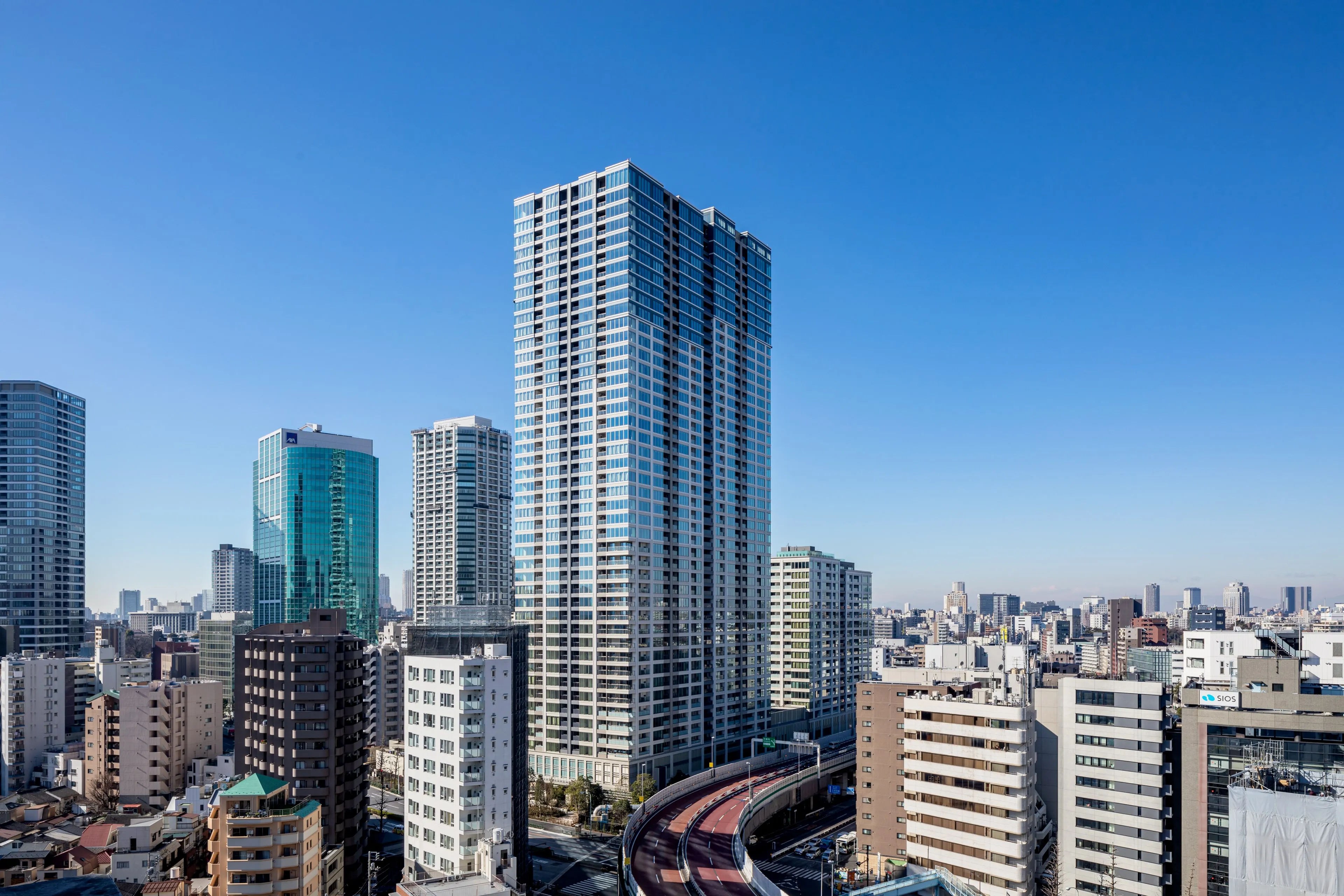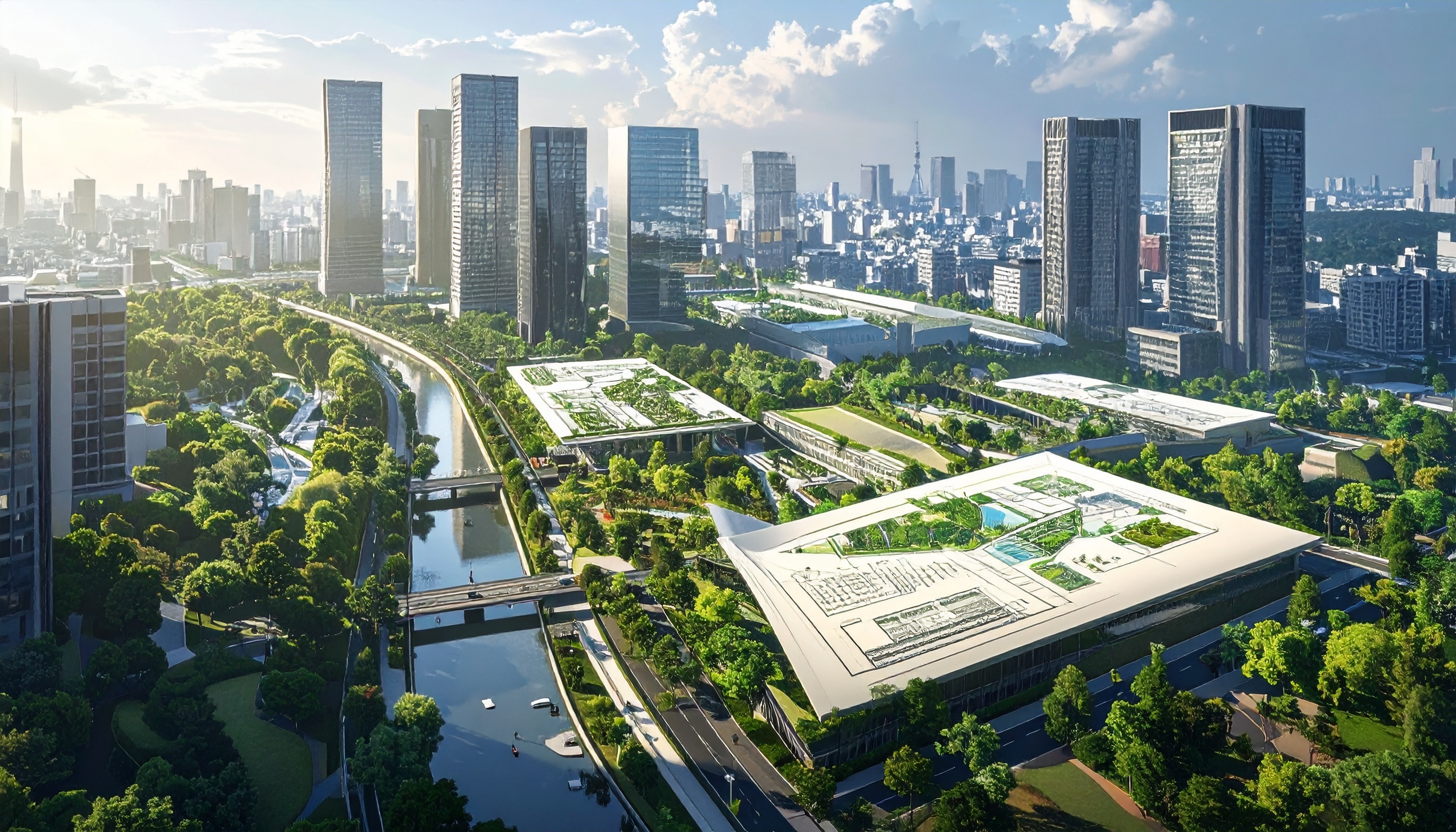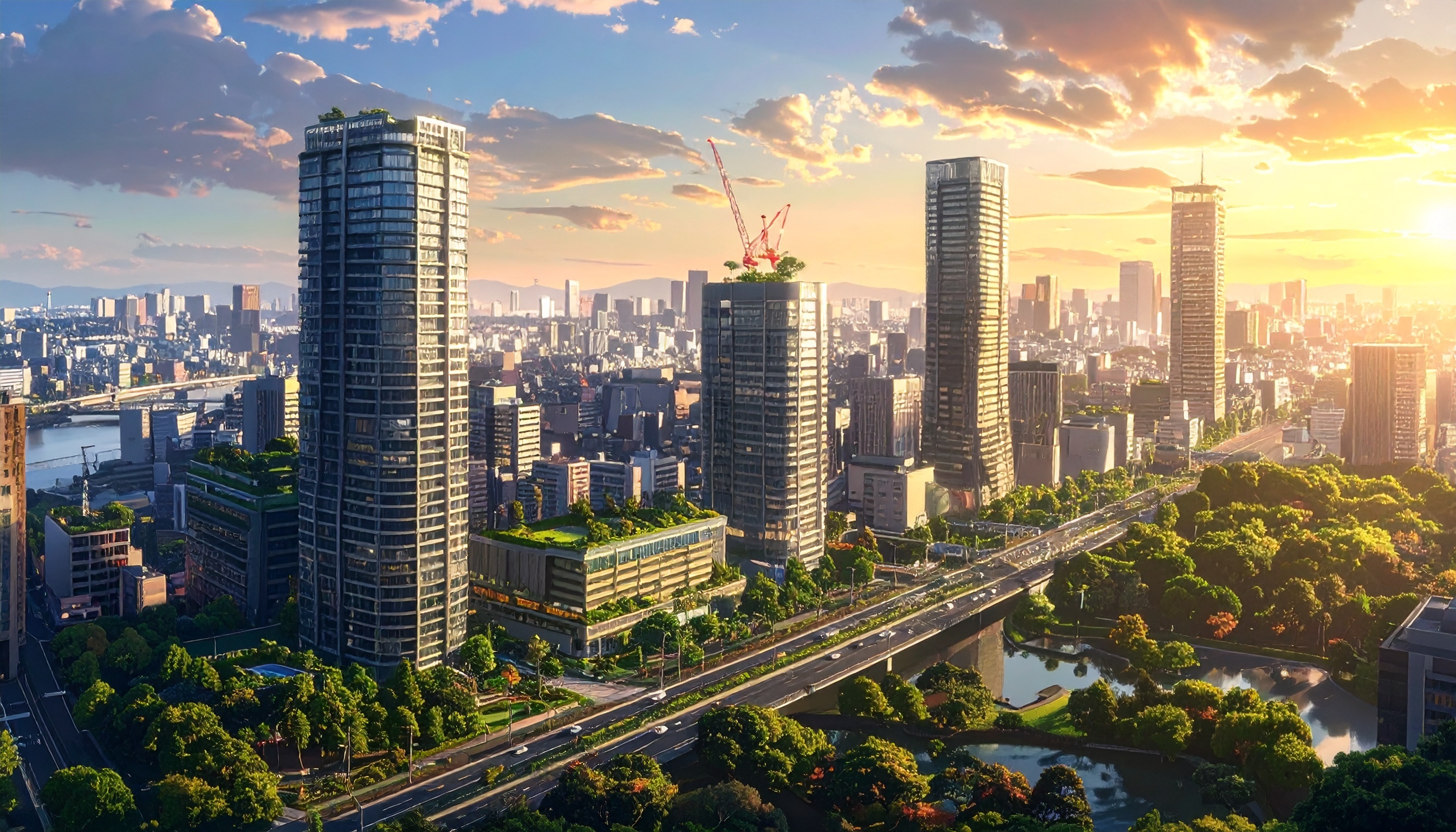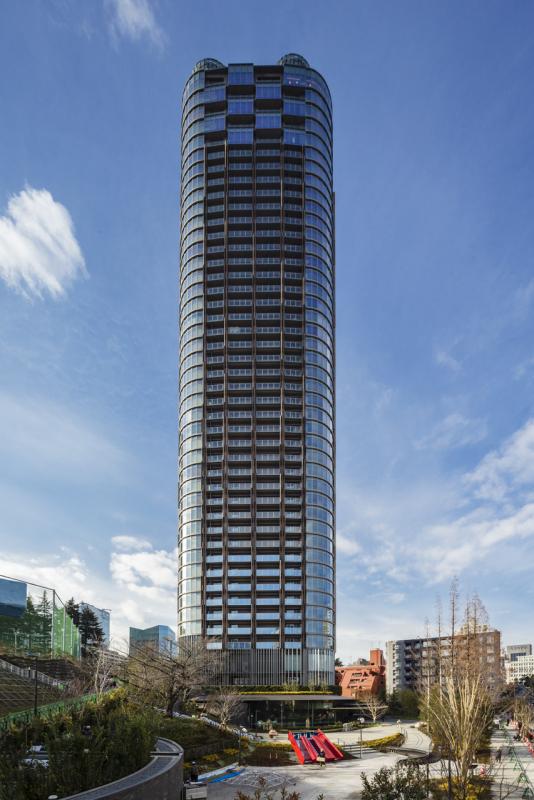
A large-scale redevelopment project centered around a 54-story, approximately 200-meter-tall skyscraper has begun in Nishi-Azabu 3-chome, adjacent to Roppongi Hills. With a total project cost of approximately 136.1 billion yen, this mixed-use development—featuring about 500 residential units along with a hotel and offices—is set to usher in a new phase for the Roppongi area’s real estate market. This article analyzes the full scope of the project and its impact on property values in the surrounding area.
What is the Overview of the Nishi-Azabu 3-chome Northeast District Redevelopment Project?
This article is based on information published as of July 2026.
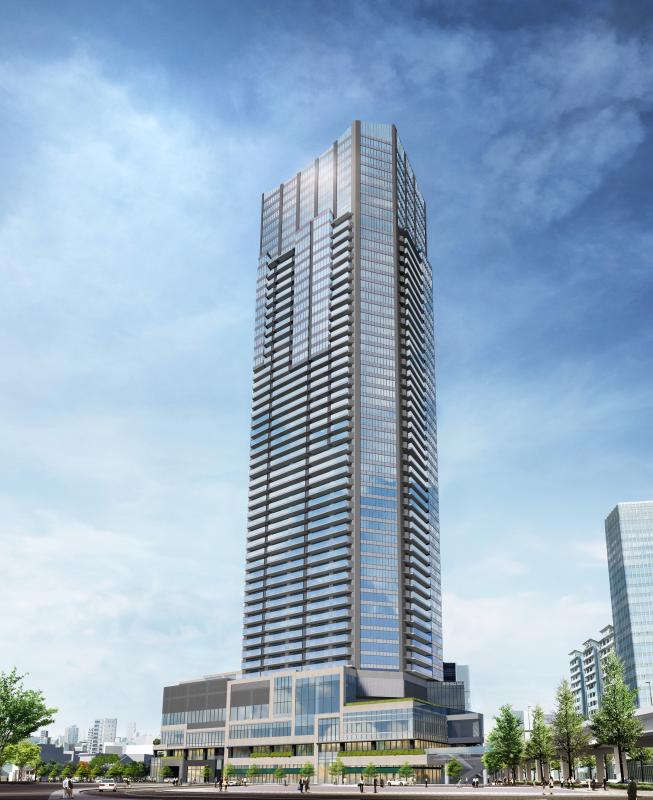 This project is a Type 1 Urban Redevelopment Project covering a site of approximately 7,690 square meters located in Nishi-Azabu 3-chome, Minato Ward. The project is being implemented by the Nishi-Azabu 3-chome Northeast District Urban Redevelopment Association, with Nomura Real Estate participating as a member. Kume Sekkei is responsible for the design, and Taisei Corporation is handling construction.
The urban planning decision was made in April 2019. Subsequently, the association received approval for its establishment in September 2020, and the rights conversion plan was approved in February 2023. Construction on Block A (the Main Tower) began in March 2025, and work is proceeding with the aim of completion in December 2029.
It is worth noting that this area is located in close proximity to Roppongi Hills and is one of Tokyo’s premier luxury locations, with Roppongi Station and Nogizaka Station as the nearest stations. It is adjacent to the upscale dining district of Nishi-Azabu, and the surrounding area is home to a concentration of luxury condominiums. For this reason, this redevelopment is expected to have a significant impact on the surrounding real estate market.
What are the scale and mixed-use composition of the 54-story, 200-meter-tall tower?
Block A (Main Tower)
Block A, the core of the project, is a 54-story (above ground) and 4-story (below ground) steel-framed (partially reinforced concrete) super-high-rise tower standing approximately 200 meters tall. Its total floor area reaches approximately 96,830 square meters.
The building will be a mixed-use complex comprising residential, hotel, office, and retail spaces. Approximately 500 residential units are planned, further expanding the options for urban living in the Roppongi area. A hotel is scheduled to occupy floors 47 through 52, offering views from the upper floors befitting this premier luxury location in Tokyo.
The lower floors will house offices and retail spaces, creating commercial amenities that harmonize with the streetscape of Nishi-Azabu.
Block B (Relocation of Temples and Shrines)
Another key feature of this project is the relocation of local temples and shrines. Plans call for the relocation of Chokou-ji Temple, Myoshin-ji Temple, and Sakurada Shrine to Blocks B1, B2, and B3, each on a scale of three to four stories above ground with one basement level. Completion timing differs by block: Blocks B2 and B3 are scheduled for July 2026, and Block B1 for May 2027.
The approach of carefully relocating these historic religious facilities as part of the redevelopment demonstrates that the plan prioritizes coexistence with the local community.
Breakdown of Project Costs
The total project cost is approximately 136.1 billion yen. Of this amount, contributions from participating members account for the majority at approximately 119.9 billion yen, with Nomura Real Estate’s financial strength underpinning the project’s stability. Construction costs amount to approximately 118.6 billion yen, compensation costs to approximately 5.3 billion yen, and survey, design, and planning costs to approximately 3.8 billion yen.
Public Contribution
This project will create a plaza of approximately 2,980 square meters, resulting in an effective open space ratio of about 40%. Auxiliary Road No. 10 will be widened from 10 meters to 15 meters, and pedestrian decks will be installed. Furthermore, the project includes disaster preparedness functions, such as temporary shelters for people unable to return home, and is designed to contribute to improving local safety.
How will this project impact the real estate market in the Roppongi area?
The Roppongi area has grown into one of Tokyo’s leading international urban hubs following the opening of Roppongi Hills in 2003 and Tokyo Midtown in 2007. However, nearly 20 years have passed since the opening of these large-scale facilities, and the area has been in need of a new growth engine.
The Nishi-Azabu 3-chome redevelopment project is precisely the initiative designed to fulfill that role. We believe it will impact the Roppongi area’s real estate market in the following three ways.
The impact on the residential market will be the most direct. The supply of approximately 500 new residential units will have a significant impact on the luxury housing market in the Roppongi and Nishi-Azabu areas.The rarity of a tower residence featuring a hotel on floors 47 through 52 will likely serve as a magnet for real estate investment in Japan not only from domestic high-net-worth individuals but also from foreign high-net-worth individuals. In fact, within this luxury segment, the new supply is expected to enhance the brand power of the entire area rather than depress the value of existing properties in the vicinity.
The creation of commercial and hotel demand is also significant. The high-rise hotel will boost the customer-drawing power of commercial tenants in the Nishi-Azabu and Roppongi areas by serving as a hub for inbound tourism. Including the retail spaces on the lower floors, this is expected to generate foot traffic to nearby restaurants and commercial facilities.
Improvements to the area’s walkability and pedestrian environment are factors that directly impact asset value in the medium to long term. Plans include the development of a plaza spanning approximately 2,980 square meters, road widening, and the installation of a pedestrian deck. This will significantly improve pedestrian access from Roppongi Hills toward the Nishi-Azabu area.Analysis of the relationship between downtown Tokyo redevelopment and real estate value confirms that improvements to the pedestrian environment enhance the area’s livability and serve as a factor driving up housing prices.
What should property owners and investors pay attention to?
In light of this redevelopment, we outline the key points that property owners and investors in the Roppongi and Nishi-Azabu areas should keep in mind.
It is crucial to accurately understand the timeline leading up to completion. Block A is scheduled for completion in December 2029, leaving approximately three and a half years. During this period, interest in the area will gradually increase as construction progresses. When considering the sale or acquisition of surrounding properties, decisions must be made with this schedule in mind.
Attention should also be paid to supply trends in the luxury segment. In central Tokyo, new supply of high-end residential properties continues, particularly in Minato and Shibuya wards. The impact on the surrounding pre-owned condominium market will vary depending on the price range at which the approximately 500 units in Nishi-Azabu are sold.
The ripple effects on the rental market must also be considered. Tower residences with attached hotels could become competitors even in the high-end rental market. For this reason, it is crucial for owners of existing rental properties to proactively explore value-enhancement strategies, such as renovating facilities and improving service quality.
We believe that rather than viewing the increased supply resulting from redevelopment solely as a risk, it should be leveraged as an opportunity to enhance the value of the entire area. From a long-term perspective, the international brand power of the Roppongi and Nishi-Azabu areas is expected to become even more robust as a result of this redevelopment. We will support your decision-making based on reliable data and transparent information.
Summary
- A large-scale mixed-use tower with a total project cost of approximately 136.1 billion yen, standing 54 stories tall (approximately 200 meters) with a total floor area of approximately 96,830 square meters
- Comprising approximately 500 residential units, a hotel (floors 47–52), offices, and retail spaces
- Construction is scheduled to begin in March 2025 and be completed in December 2029. Block B, involving the relocation of temples and shrines, will be completed in stages between July 2026 and May 2027
- Extensive public contributions include a plaza of approximately 2,980 square meters, road widening, and temporary shelters for people unable to return home
- As a large-scale development in a luxury location adjacent to Roppongi Hills, it is expected to enhance the brand power and asset value of the entire area
Frequently Asked Questions (FAQ)
Q1. When will the Nishi-Azabu 3-chome Northeast District Redevelopment be completed?
Block A, the main tower, is scheduled for completion in December 2029. Construction began in March 2025. Block B, which involves the relocation of temples and a shrine, is scheduled for completion in July 2026 for Blocks B2 and B3 and in May 2027 for Block B1.
Q2. What facilities will be located in the tower?
Approximately 500 residential units are planned, along with a hotel on floors 47–52 and offices and retail spaces in the lower floors. It is a 54-story, approximately 200-meter-tall super-high-rise tower constructed primarily of steel (with some reinforced concrete).
Q3. What are the project costs and organizational structure?
The total project cost is approximately 136.1 billion yen. The project is being carried out by the Nishi-Azabu 3-chome Northeast District Urban Redevelopment Association, with Nomura Real Estate participating as a member. Kume Sekkei is responsible for the design, and Taisei Corporation is handling construction.
Q4. What impact will this have on surrounding property values?
As a large-scale development in a luxury location immediately adjacent to Roppongi Hills, it is expected to enhance the brand value of the entire area. The supply of approximately 500 luxury residential units, the revitalization of commercial activity following the hotel’s opening, and improvements to the pedestrian environment are expected to have a positive impact on surrounding property values.
Citations & References
- Minato Ward “Nishi-Azabu 3-chome Northeast District Type 1 Urban Redevelopment Project” Project Overview
- Minato Ward “Nishi-Azabu 3-chome Northeast District Type 1 Urban Redevelopment Project” Project Plan (Excerpt)
- Tokyo Metropolitan Government Bureau of Urban Development “Nishi-Azabu 3-chome Northeast District Type 1 Urban Redevelopment Project”