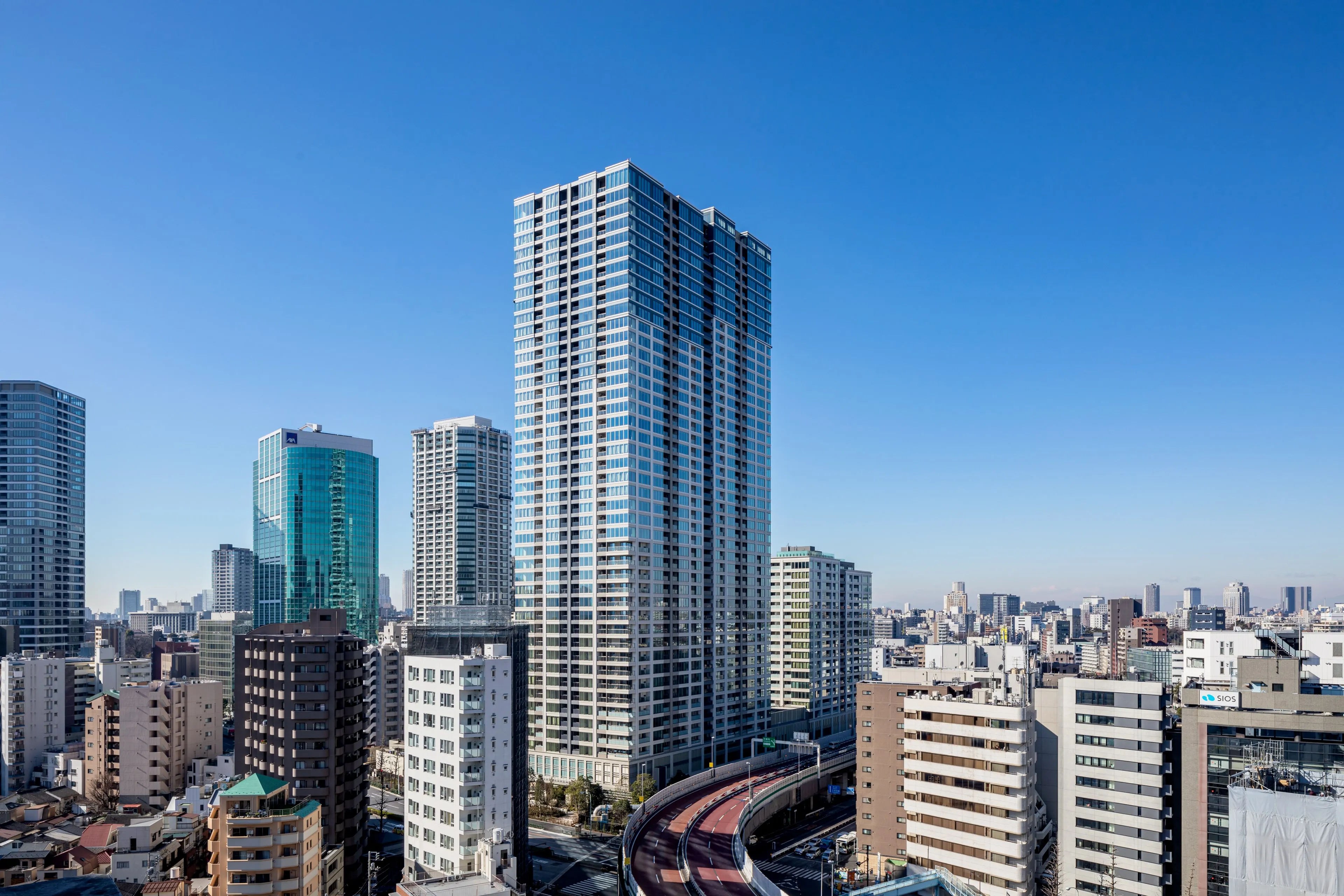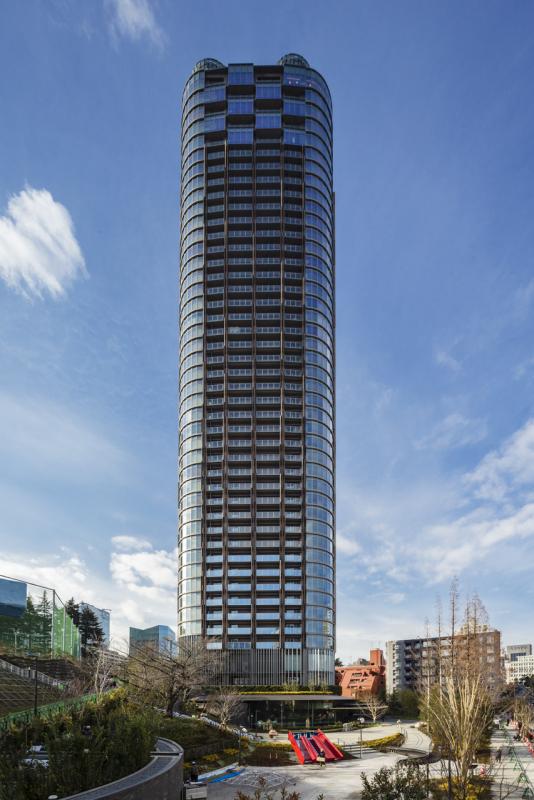
The "Kojiya Station Area Category I Urban Redevelopment Project," completed in March 2017 at the Keikyu Airport Line's Kojiya Station, stands as a landmark success story. The project transformed approximately 1.3 hectares of densely packed aging wooden houses into a mixed-use twin tower complex at a total cost of approximately ¥21.9 billion (per Asahi Kasei Real Estate Residence's April 2015 press release). Now, roughly nine years after completion, we revisit the impact this redevelopment has had on property values in the area. And in 2025, a new chapter is unfolding: the Ministry of Land, Infrastructure, Transport and Tourism (MLIT) has officially approved the development and operational plan for the "Kamakama Line (Shin-Kuko Line)," poised to bring a fresh wave of value appreciation to the Kojiya area.
What Was the Kojiya Station Area Redevelopment? — Background and Challenges
The Neighborhood Before Redevelopment — Problems Plaguing a Dense Wooden Housing District
The Kojiya Station area encompassed approximately 1.3 hectares sandwiched between the Keikyu Airport Line and Route 8 (Kanpachi-dori). Before redevelopment began, the district was characterized by densely packed aging wooden houses and narrow, cramped roads. In the event of a major earthquake, the risk of fire spreading was extremely high, and there were locations where fire trucks and ambulances could barely gain access.
With 217 property rights holders whose plots were intricately intertwined, the problems were far too complex to solve through individual rebuilding. This is precisely why the Category I Urban Redevelopment approach was adopted — enabling comprehensive, planned development through a union-administered project in which all rights holders participated.
Eliminating dense wooden housing districts like this one has been among Tokyo's most critical disaster-prevention priorities for years. The Kojiya Station area is highly regarded as a pioneering case that tackled these challenges head-on.
Project Scale and Participants — 217 Rights Holders, ¥21.9 Billion in Project Costs
Here is an overview of the project's full scope: the development area covered approximately 1.3 hectares, with total project costs of approximately ¥21.9 billion (per Asahi Kasei Real Estate Residence's April 2015 press release). The number of property rights holders reached 217. Total floor space amounted to approximately 43,000㎡ — 34,142㎡ for the West Tower and 8,948㎡ for the East Tower — making this a substantial undertaking for a station-front development.
Construction was handled by Toda Corporation, with design by Yamashita Sekkei, Inc. The Metropolitan Area Non-Combustible Building Corporation participated as a selling party and union member, while Asahi Kasei Real Estate Residence Co., Ltd. and Mitsui Fudosan Residential Co., Ltd. joined as sales partnership agents — a project structure backed by the credibility of major industry players.
Project Timeline — A 14-Year Journey from 2003 to 2017
From the Preparatory Union to Urban Planning Approval — A Decade of Groundwork
The Kojiya Station Area Redevelopment Preparatory Union was established in 2003. It took approximately five years from that point to obtain urban planning approval in March 2008. Launching a project in a district with such intricately divided land parcels required painstaking consensus-building with each individual rights holder.
In July 2012, the redevelopment union received its establishment authorization (project approval), followed by the approval of the rights conversion plan in December 2013. After years of preparation, the project was finally taking concrete shape.
Groundbreaking, Construction, and Completion — Three Years to Finish
Demolition work began in April 2014, with main construction starting in September of the same year. Sales of the first phase launched in March 2015, and the building reached structural completion on November 28, 2016. In March 2017, public infrastructure including the station plaza was completed, marking the conclusion of the entire project. From the establishment of the preparatory union, the process spanned approximately 14 years; from project approval, roughly five years.
Station Twin Towers Kojiya — What Was Built
The Twin Towers in Full — 20-Story West Tower, 18-Story East Tower, 335 Units Total
At the heart of the development stand two tower condominiums named "Station Twin Towers Kojiya." Front West (W Tower) rises 20 stories above ground with one basement level, reaching a height of 64.55 meters. Front East (E Tower) stands 18 stories above ground with two basement levels, at a height of 62.20 meters.
The two towers contain a combined total of 335 units, of which 149 are non-sale residential units. The complex was designed to house not only residences but also retail shops and offices. The emergence of these twin towers at the station front fundamentally changed the face of Kojiya.
Station Plaza and Public Facilities — A Hub for Multigenerational Community Living
The redevelopment produced far more than housing. A station plaza of approximately 2,000㎡ was created, providing a safe space for pedestrians. Additionally, childcare support facilities (licensed nurseries, etc.), elderly care facilities, a public bicycle parking garage, disaster preparedness storage, and a supermarket were all developed as an integrated package.
Having support facilities for both young families and elderly residents located together at the station front goes well beyond simple housing supply — it represents an initiative that elevates the value of the entire community. From the perspectives of live-near-work convenience and multigenerational coexistence, this redevelopment is positioned as a forward-thinking model project.
For a broader perspective on redevelopment across Tokyo, see also Major Redevelopment Projects Transforming Tokyo in 2025.
How Redevelopment Transformed Kojiya's Property Values
A Strong Start for Phase 1 Sales — Over ¥2.9 Million per Tsubo, 1.2x Subscription Rate
The first phase of condominium sales (83 units), which launched in March 2015, attracted 101 applications — an average subscription rate of approximately 1.2 times. Prices ranged from ¥30.7 million to ¥93.5 million (over ¥2.9 million per tsubo). Given the prevailing market levels in the Kojiya area at the time, these figures clearly demonstrate the value uplift generated by the redevelopment.
Looking at buyer demographics, 70% were existing Ota City residents, and those in their 30s and 40s accounted for 50% — indicating that purchases were driven primarily by genuine end-user demand from local residents. This represents a healthy market dynamic in which community-rooted housing demand directly benefits from the redevelopment.
Post-Completion Land Price Growth — +8.18% Year-on-Year in 2026 Official Land Prices
The impact of the completed redevelopment on land prices is clearly reflected in the data. The average 2026 official land price around Kojiya Station stands at approximately ¥800,000/㎡, representing an 8.18% year-on-year increase (per tochidai.info). The average 2025 benchmark land price is approximately ¥510,000/㎡ (+8.74% year-on-year), slightly outpacing Ota City's overall average increase of +8.63%.
Over the roughly 10 years since completion, pre-owned condominium prices have also risen by approximately 34.75%, confirming that the redevelopment continues to sustain asset value growth. However, please note that this resale price increase is a reference figure based on industry data, and individual property price movements may vary depending on specific conditions.
The Kamakama Line (Shin-Kuko Line) — Kojiya's Next Stage
Kamakama Line Overview — What It Means for Kojiya Station to Be on the Route
The "Kamakama Line" is the popular name for the Shin-Kuko Line, a new rail line planned to connect the Tokyu Tamagawa Line (Yaguchinowatashi Station) via Tokyu Kamata Station to Keikyu Kamata Station. The planned route consists of a Phase I section (Yaguchinowatashi to Keikyu Kamata) and a Phase II section (Keikyu Kamata to Otorii), with Kojiya Station included as an intermediate station on the Phase II section.
When the Kamakama Line is fully operational, Kojiya Station will offer direct, transfer-free access to Shibuya, Shinjuku, Ikebukuro, and even the Saitama area via through-service with the Tokyu Toyoko Line and Tokyo Metro Fukutoshin Line. While Kojiya Station currently serves as a local stop on the Keikyu Airport Line, it is set to evolve into a transportation hub connecting east-west and north-south corridors.
2025 MLIT Approval — Phase II Construction and Opening Timeline Still Under Review
In 2025, the Ministry of Land, Infrastructure, Transport and Tourism approved the development and operational plan submitted by Tokyu Corporation and other stakeholders. This approval represents a major step forward for the line's construction. The projected opening is around 2038–2042; however, the Phase I section (Yaguchinowatashi to Keikyu Kamata) is currently the priority for project implementation.
As for the Phase II section (Keikyu Kamata to Otorii), which includes Kojiya Station, the specific timeline for construction and opening remains undetermined. The Phase II schedule may shift depending on the progress of Phase I construction and the status of funding. This is an important factor to weigh accurately when making investment or purchase decisions.
That said, this is precisely why the Kojiya area could be interpreted as being at a stage where the benefits of the Kamakama Line have not yet been fully priced into property values. For those with a long-term perspective on asset appreciation, I believe the current price levels merit serious consideration.
Ota City's Urban Development Policy and Kojiya's Role
Ota City's "Railway and Attractive Urban Development Declaration"
In December 2022, Ota City adopted its "Railway and Attractive Urban Development Declaration," followed in 2023 by the publication of the "Ota City Railway Corridor Urban Development Vision." This vision explicitly designates fostering private-sector development momentum along the Shin-Kuko Line (Kamakama Line) corridor as a key policy objective.
When local government actively signals an urban development direction, it catalyzes private investment. Areas where government intent and private investment decisions align tend to experience sustained, long-term value appreciation.
The Role of Kojiya's Redevelopment as a Precedent
The Kojiya Station area redevelopment is recognized as a flagship success story among Ota City's redevelopment projects. The track record of transforming a dense wooden housing district into a mixed-use twin tower complex serves as a reference model for future urban development along the Kamakama Line corridor — in areas like Kamata, Yaguchinowatashi, and Otorii.
For a comparative look at station-front redevelopment in other eastern Tokyo areas, see also Tateishi Station North Exit Redevelopment | The Full Picture: ¥128 Billion, 36-Story Tower, and New City Hall, which offers deeper insight into how redevelopment structurally transforms communities.
The Kojiya project, where government, the implementing body, rights holders, and participating union members each fulfilled their roles to transform an aging, densely built district into a highly disaster-resilient mixed-use complex, stands as an exemplary model of urban renewal. At its core, it embodies a commitment to ensuring that everyone involved in building a community — with trust and a long-term vision — can thrive.
Summary
Here are the key takeaways from this article on the Kojiya Station area redevelopment:
- Project completed in 2017. Approximately 1.3 hectares of aging dense wooden housing was transformed into a twin tower mixed-use complex with ¥21.9 billion in project costs and approximately 43,000㎡ of total floor space
- Disaster prevention, housing, retail, welfare, and public space were developed as an integrated package, significantly enhancing the community's value
- Land prices continue to rise. The 2026 official land price around Kojiya Station increased +8.18% year-on-year, outpacing Ota City's overall rate
- The Kamakama Line (Shin-Kuko Line) received MLIT plan approval in April 2025. However, the Phase II section (Keikyu Kamata to Otorii) that includes Kojiya has no confirmed timeline for construction or opening — staying current with the latest information is essential
- Ota City's urban development policies are driving development momentum along the entire corridor, with growing attention on the Kojiya area as a district with significant medium- to long-term value appreciation potential
Frequently Asked Questions (FAQ)
Q1. When was the Kojiya Station area redevelopment project completed?
The building reached structural completion on November 28, 2016, and public infrastructure including the station plaza was completed in March 2017. From the establishment of the preparatory union in 2003 to completion, this large-scale project spanned approximately 14 years.
Q2. What are the specifications of Station Twin Towers Kojiya?
The complex consists of two towers — Front West (W Tower, 20 stories, 64.55m tall) and Front East (E Tower, 18 stories, 62.20m tall) — with a combined total of 335 units. In addition to residences, the development includes retail shops, offices, a nursery, elderly care facilities, a supermarket, disaster preparedness storage, and a station plaza (approximately 2,000㎡), all developed as an integrated package. The seller is the Metropolitan Area Non-Combustible Building Corporation, with Asahi Kasei Real Estate Residence and Mitsui Fudosan Residential serving as sales partnership agents.
Q3. How will Kojiya Station change when the Kamakama Line (Shin-Kuko Line) opens?
When the Phase II section of the Kamakama Line (Keikyu Kamata to Otorii) opens, Kojiya Station will become a transportation hub with direct, transfer-free connections to Shibuya, Shinjuku, Ikebukuro, and the Saitama area via through-service with the Tokyu Toyoko Line and Tokyo Metro Fukutoshin Line. However, the construction and opening timeline for the Phase II section that includes Kojiya remains undetermined. The Ministry of Land, Infrastructure, Transport and Tourism approved the development and operational plan in April 2025, with the Phase I section (Yaguchinowatashi to Keikyu Kamata) being prioritized for implementation.
Q4. What are current land price levels around Kojiya Station?
The average 2026 official land price around Kojiya Station is approximately ¥800,000/㎡ (+8.18% year-on-year), while the average 2025 benchmark land price is approximately ¥510,000/㎡ (+8.74% year-on-year). Prices are trending slightly above Ota City's overall average increase (+8.63%), with the upward trajectory continuing amid the momentum from the Kamakama Line plan approval (land price data are reference values per tochidai.info).
Citations and References
- Ota City, "Kojiya Station Area"
- Ota City, "Kojiya Station Area Category I Urban Redevelopment Project Pamphlet" (March 2017)
- Metropolitan Area Non-Combustible Building Corporation, "Kojiya Station Area Category I Redevelopment Project"
- Ota City, "Ota City Railway Corridor Urban Development Vision"
- Ota City, "Shin-Kuko Line (Kamakama Line) Main Page"
- Tokyo Metropolitan Government Bureau of Urban Development, "Kojiya Station Area Category I Urban Redevelopment Project"