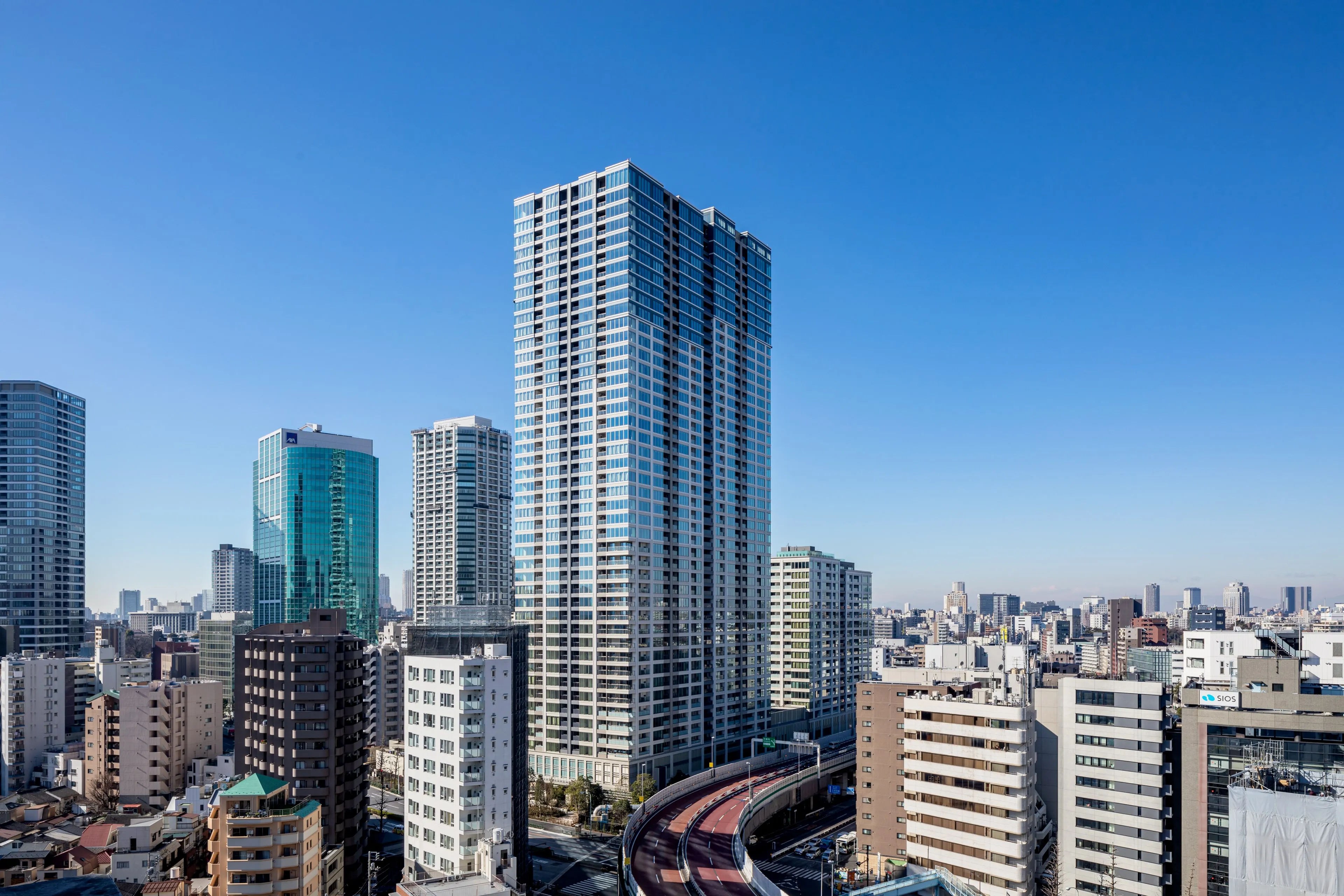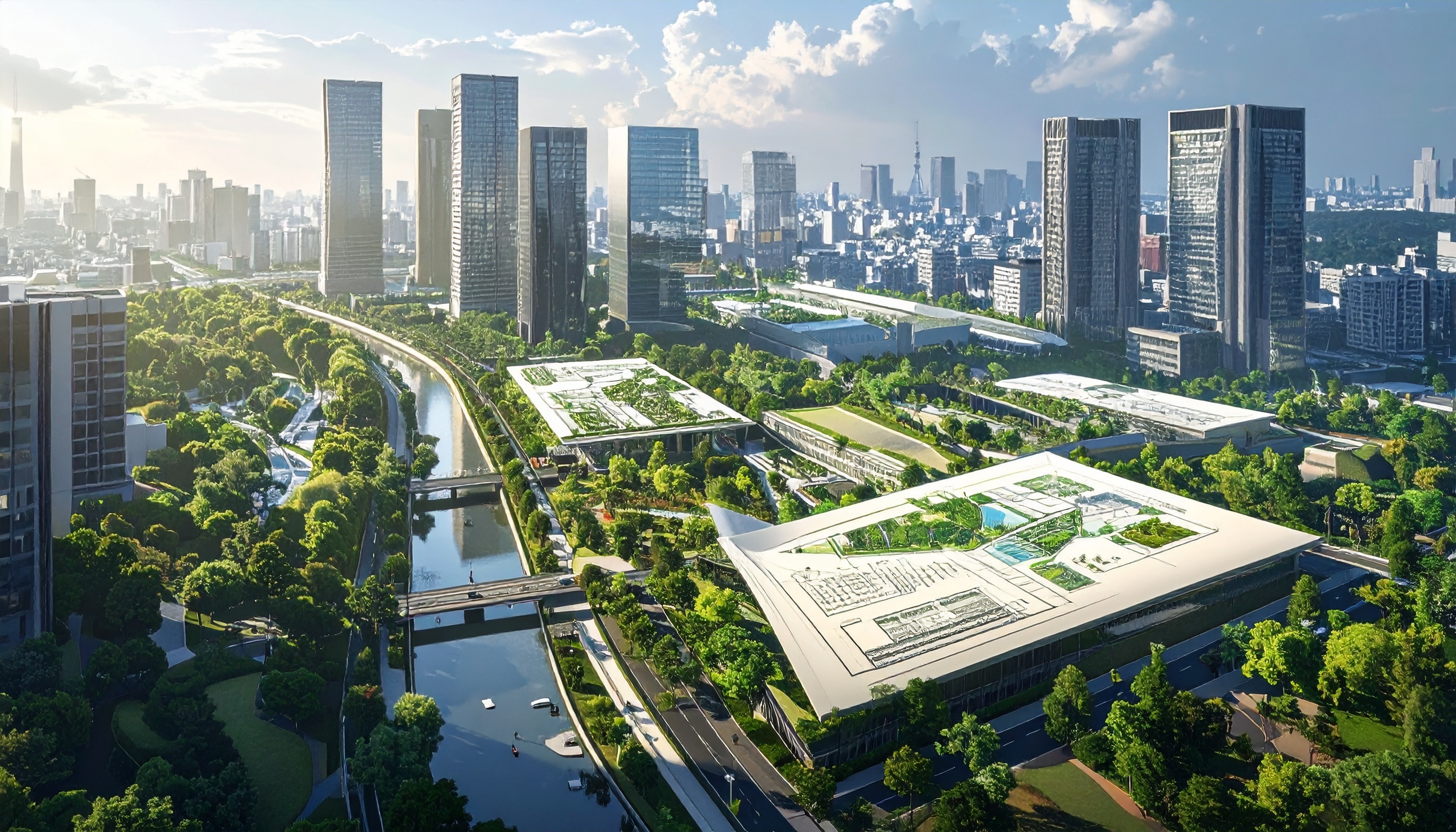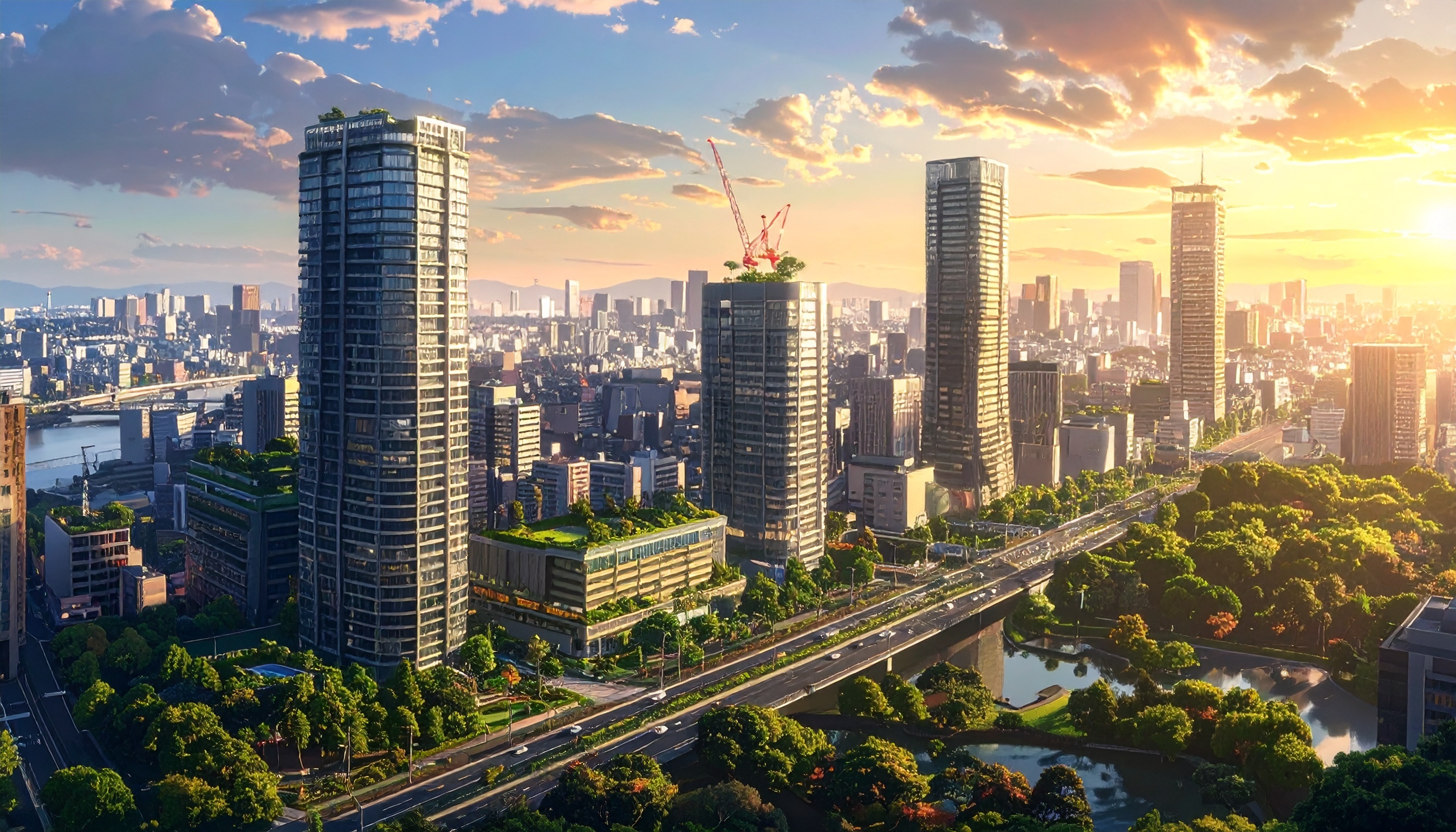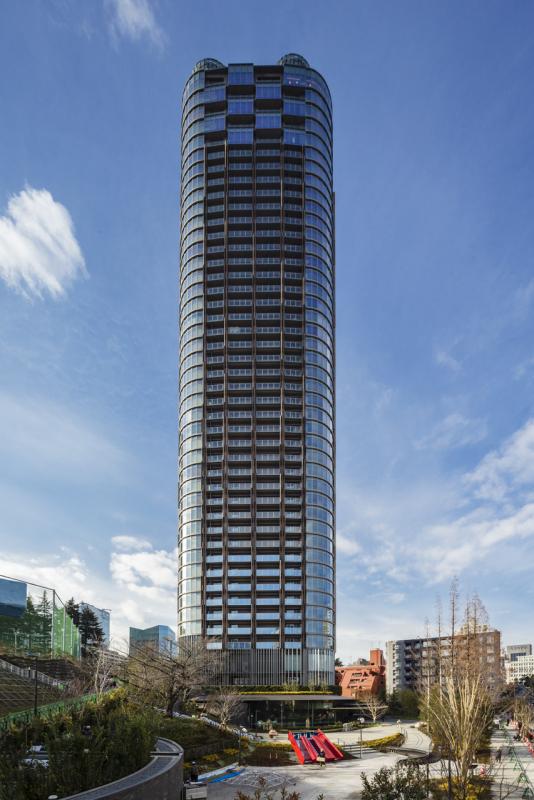
On the north side of Shinagawa Station, along National Route 15 (Dai-ichi Keihin), the "Shinagawa Station North District Type 1 Urban Redevelopment Project" is now underway, featuring the construction of twin towers each rising approximately 115 meters. Strategically positioned to connect JR Takanawa Gateway Station with the Takanawa district, this project broke ground in FY2024 and targets completion between FY2029 and FY2031. In this article, I provide a full overview of the project scope, facility composition, and timeline, followed by my analysis of land price trends and the actions real estate investors and property owners should be taking now.
What Is the Shinagawa Station North District Type 1 Urban Redevelopment Project?
The Shinagawa Station North District Type 1 Urban Redevelopment Project is a large-scale urban development initiative targeting portions of Takanawa 2-chome and Konan 2-chome in Minato City, Tokyo. The project executor is the "Shinagawa Station North District Urban Redevelopment Association (provisional)," with East Japan Railway Company (JR East) and Nippon Steel Kowa Real Estate listed as project collaborators.
The rationale behind this redevelopment is clear. The narrow strip of land along National Route 15 consisted largely of shallow, fragmented lots where aging had progressed unchecked. Some buildings predated modern seismic standards, making earthquake resilience upgrades an urgent priority. Despite its station-front location, the area severely lacked vibrant public spaces and open areas. This is precisely why the project was conceived as a redevelopment that consolidates land for higher-density use while serving as a vital link between two key hubs: the Takanawa Gateway Station development zone and the established Takanawa district.
What Will the Twin Tower Complex Look Like?
The project comprises two towers arranged as a twin-tower configuration: the North Block (Zone 4-2B) and the South Block (Zone 4-2C), flanking National Route 15. Both buildings rise to approximately 115 meters, making them defining landmarks of the district.
The North Block (Zone 4-2B) stands 25 stories above ground with 2 basement levels, offering a total floor area of approximately 26,600 m². It will house hospitality facilities (hotel) and retail shops. While its site area of roughly 0.3 hectares is relatively compact, its proximity to Takanawa Gateway City positions it to serve international visitors. The target completion date is FY2031.
The South Block (Zone 4-2C) rises 23 stories above ground with 2 basement levels, encompassing approximately 39,900 m² of total floor area. It features a mixed-use program of offices, residences, and retail. With a site area of approximately 0.4 hectares and a broader use mix, this tower is designed to attract a diverse range of occupants. The target completion date is FY2029.
Between the two towers, a roughly 1,400 m² public space called "Plaza No. 5" will be developed. This plaza will feature relocated and preserved historical artifacts from the Takanawa Tsukitei—including signal equipment unearthed during construction work at Takanawa Gateway Station. Incorporating remnants of Japan's first railway heritage into a modern redevelopment is a culturally significant endeavor that carries important implications for the area's brand identity.
What Is the Project Timeline and Current Progress?
The project timeline is as follows:
- FY2023: Establishment approval of the Shinagawa Station North District Urban Redevelopment Association
- FY2024: Construction commencement
- FY2029: Scheduled completion of Zone 4-2C (South Block — office and residential tower)
- FY2031: Scheduled completion of Zone 4-2B (North Block — hotel tower)
As of the time of writing (March 2026), approximately one year has passed since groundbreaking, and construction is in full swing. With several years remaining until completion, this represents a critical "forward-looking window" for real estate investors.
How Does This Connect to the Broader Shinagawa Area Redevelopment?
Viewing the Shinagawa Station North District Type 1 Urban Redevelopment Project in isolation risks missing the bigger picture. This project is part of an integrated urban regeneration strategy in which multiple large-scale developments around Shinagawa Station are organically interconnected.
The adjacent Takanawa Gateway City (JR East's "Shinagawa Development Project Phase I") is a massive development spanning approximately 845,000 m² of total floor area. Since its grand opening in March 2025, it has attracted over 2 million visitors in just 100 days. A full grand opening is planned for spring 2026, when the residential tower, cultural creation building, and mixed-use Complex II will all be complete. The Shinagawa Station North District redevelopment will work in tandem with Takanawa Gateway City to serve as a "bridge" to the Takanawa district west of National Route 15.
Further south, the Shinagawa Station District development—featuring a massive deck structure above the Shinagawa Station rail yard—is targeting completion in the 2030s. Additionally, once the Chuo Shinkansen (Linear) maglev line opens with its terminal at Shinagawa, this area will attract global attention as a "super-regional transportation hub" connecting Tokyo, Nagoya, and Osaka.
How Should We Analyze the Impact on Land Prices and Real Estate Investment?
So what impact will this redevelopment have on the real estate market? Let's examine the data.
According to publicly assessed land values in Minato City, Tokyo, the 2025 assessed land price around Shinagawa Station reached ¥5.02 million/m² (up 12.77% year-over-year), a remarkable increase. Across Minato City as a whole, values have risen approximately 39% over the past five years (roughly 47% for commercial land), significantly outpacing the Tokyo ward average of 19%. Research by Kenbiya also indicates that rents in the Takanawa area near Takanawa Gateway City have been on an upward trend for three consecutive years.
A noteworthy reference case is the impact following the opening of Azabudai Hills. After its debut, property prices within a 500-meter radius rose by an average of 18.7%, with spillover effects of +12.3% confirmed in adjacent areas. In the Shinagawa area, multiple large-scale developments—Takanawa Gateway City, the Shinagawa Station North District redevelopment, and the Shinagawa Station District project—are progressing simultaneously, suggesting the potential for compound effects that exceed those of a single facility opening.
However, investors should also exercise caution. At this stage, some redevelopment information remains at the "planning phase" or "just broken ground" stage, and shifts in supply-demand dynamics following completion and the resulting increase in supply are possible. Investment strategies focused solely on short-term capital gains require careful judgment.
Actions Property Owners and Investors Should Take Now
To capture tangible benefits from the rising asset values in the Shinagawa area, here are the key actions owners and investors should consider.
The most critical point is not missing the pre-completion positioning window. Zone 4-2C is scheduled for completion in FY2029, and Zone 4-2B in FY2031. Historical precedents from major redevelopment projects show that surrounding market values often begin rising 2–3 years before completion. At the time of writing, we are in the early stages of this "anticipatory period."
It is also essential to reassess property management strategies in preparation for shifting rental demand. After the hotel tower (4-2B) opens, an influx of tourism and business visitors is expected, driving demand for short-stay accommodations. Meanwhile, the completion of the office-residential complex (4-2C) is likely to attract clusters of IT and financial firms and draw high-income residents. Rental property owners in the surrounding area should begin evaluating renovations and capital improvements that anticipate these demand shifts.
Furthermore, corporate demand in the Shinagawa area is also expected to grow. With Takanawa-area rents projected to continue rising, the value of a "buy and hold" strategy is also increasing.
My Perspective: View Redevelopment as an "Area," Not a "Point"
The primary reason I am closely watching the Shinagawa Station North District redevelopment is my conviction that this is not a "point" development—it marks the moment when the entire Shinagawa area begins functioning as an integrated "area."
Individual redevelopment projects, on their own, create only a limited amount of value. But in the Shinagawa area, a chain reaction is unfolding: Takanawa Gateway City (completing 2025–2026), the Shinagawa Station North District (completing FY2029–2031), the Shinagawa Station District (2030s), and the Chuo Shinkansen maglev (opening date under coordination). When all of these come to fruition, Shinagawa will transform into Japan's premier international hub for transportation, business, and urban living.
For property owners managing real estate assets with a long-term perspective, continuously monitoring developments in this area and reconsidering asset allocation at the right moments will contribute to sustained growth in asset values. While noting that uncertain information comes with the caveat "based on current plans," we at INA&Associates are committed to diligently communicating this undeniable wave of transformation that has already begun. We believe that information sharing rooted in trust and integrity forms the foundation of a long-term partnership in your wealth building.
Summary
Here are the key takeaways from this article:
- Project Overview: Two twin towers approximately 115m tall will be built in Takanawa 2-chome and Konan 2-chome, Minato City. The executor is an urban redevelopment association (provisional), with JR East and Nippon Steel Kowa Real Estate as project collaborators.
- Facility Composition: The North Block (4-2B) houses a hotel and retail, while the South Block (4-2C) features offices, residences, and retail in a mixed-use complex. A roughly 1,400 m² plaza between the towers will include preserved Takanawa Tsukitei railway heritage artifacts.
- Timeline: Construction began in FY2024, with completion targets of FY2029 (4-2C) and FY2031 (4-2B).
- Land Price Trends: Assessed land values in Minato City have risen approximately 39% over five years. Takanawa-area rents have increased for three consecutive years.
- Investment Strategy: Leveraging the anticipatory period 2–3 years before completion to reassess asset allocation is effective. Updating property management strategies to anticipate shifts in rental demand is essential.
- Long-Term Perspective: The key is to view this as an "area" regeneration where the Shinagawa North District, Takanawa Gateway City, the Shinagawa Station District, and the maglev line converge in a chain of transformation.
Frequently Asked Questions (FAQ)
Q1. When will the Shinagawa Station North District Type 1 Urban Redevelopment Project be completed?
Under the current plan, the South Block (Zone 4-2C: office, residential, and retail complex) targets completion in FY2029, and the North Block (Zone 4-2B: hotel and retail) targets FY2031. Construction began in FY2024 and is currently underway. However, as urban development projects can experience schedule changes, please check the latest information from the Tokyo Metropolitan Bureau of Urban Development.
Q2. How does Takanawa Gateway City differ from the Shinagawa Station North District redevelopment?
Takanawa Gateway City is JR East's "Shinagawa Development Project Phase I," a mega-scale development with approximately 845,000 m² of total floor area (completing 2025–2026). In contrast, the Shinagawa Station North District redevelopment (Zone 4-2) is a separate project executed by an urban redevelopment association, targeting the narrow strip along National Route 15 in Takanawa 2-chome and Konan 2-chome. While the two are geographically adjacent, they share complementary roles in connecting the Takanawa district with Shinagawa Station as part of a cohesive urban fabric.
Q3. When is the optimal timing to invest in real estate in the Shinagawa area?
Generally speaking, surrounding property values in major redevelopment areas often begin rising 2–3 years before project completion. Given the Shinagawa Station North District's completion targets (FY2029–2031), the 2026–2027 period represents the mid-phase of this "anticipatory window." However, individual property values vary significantly depending on location, use, and condition. INA&Associates offers consultations on specific property selection and area analysis—please feel free to reach out.
Q4. What is the Takanawa Tsukitei, and how does it relate to the redevelopment?
The Takanawa Tsukitei is a stone-built embankment railway structure constructed over Tokyo Bay when Japan's first railroad opened in 1872 (Meiji 5). It was discovered during construction work at Takanawa Gateway Station and has been designated a Japan Heritage site. In the Shinagawa Station North District redevelopment, portions of the heritage structure—including signal equipment—will be relocated and preserved in "Plaza No. 5," the public space between the two towers. This initiative to harmonize urban development with historical preservation serves as an important element in enhancing the area's brand value.
Sources and References
- Tokyo Metropolitan Bureau of Urban Development — Shinagawa Station North District Type 1 Urban Redevelopment Project
- Ministry of Land, Infrastructure, Transport and Tourism — 2025 Official Land Price Assessment, Shinagawa Station Area
- Kenbiya — "Minato City Takanawa / TAKANAWA GATEWAY CITY Attracts Over 2 Million Visitors Within 100 Days of Opening" (August 2025)
- Kenbiya — "Takanawa Gateway City Approaching Opening: Rents Show Three Consecutive Years of Upward Trend" (February 2025)