How Autonomous Driving Will Transform Real Estate Markets
Explore how automated driving technology will revolutionize real estate values, altering commuting, property standards, land use, and investment strategies.
Markets reads the Japanese real estate market through data and primary sources. It covers market indicators such as land prices, rents and transaction volumes, redevelopment plans, and area-by-area supply-and-demand analysis. It is written for investors, owners and practitioners deciding whether to buy now or wait, and which areas are likely to appreciate. Rather than gut feeling, we cross-check published statistics against on-the-ground observation from our brokerage and management work, and explain why prices and rents move and the structural forces behind them.
This section is updated on an ongoing basis as new public information and market developments emerge.
Explore how automated driving technology will revolutionize real estate values, altering commuting, property standards, land use, and investment strategies.
Learn how to start investing in Tokyo real estate, covering essential preparations, financial planning, and property types for stable, long-term returns.
Learn about district planning in real estate, its benefits and drawbacks, and how it affects property purchase and construction decisions.
Understand the essentials of land readjustment projects, their benefits, drawbacks, and procedural details to make informed real estate decisions.
Strategies for the ultra-high-net-worth to navigate real estate investments amid rising interest rates in Japan, including loan types, property selection, and tax considerations.
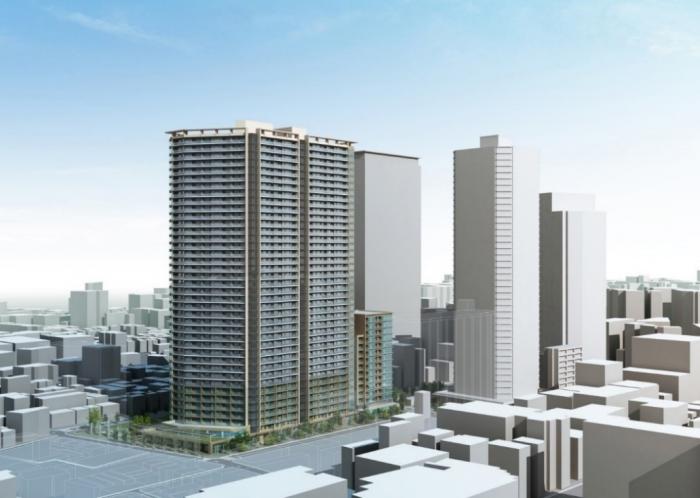
Explore the Shirokane 1-chome West Central Area Redevelopment Project, integrating residential, commercial, and industrial functions in a prime Tokyo location.
Discover key insights and risks for investors in Japan's booming rental condo market, including market trends, income potential, and strategies to mitigate risks.
Discover the importance and mechanisms of land readjustment projects in urban development, focusing on improving public facilities and residential land use.
Discover how the rise in foreign residents is reshaping Japan's urban real estate market and the keys to successful rental management in this changing landscape.
Renovating a vacant house in Japan costs a national average of ¥1,700,000 (approx. USD 11,300) and a median of just ¥700,000 (approx. USD 4,700) — far below the multi-million-yen figures often assumed. This guide uses only Japanese government data to show how to estimate seismic and insulation costs yourself, which 2026 subsidies and tax reductions actually apply, and how renovating, renting, selling, and demolishing a vacant house are each taxed differently. Written for international investors navigating a market with no MLS-style database of comparable prices.
This section details strategies and key points for determining when to sell your real estate investment in Tokyo's 23 wards. How to make the best decision in the high price range exceeding the bubble period?
Explore how company housing is making a strategic comeback to boost recruitment, retention, and employee satisfaction amid rising urban living costs.
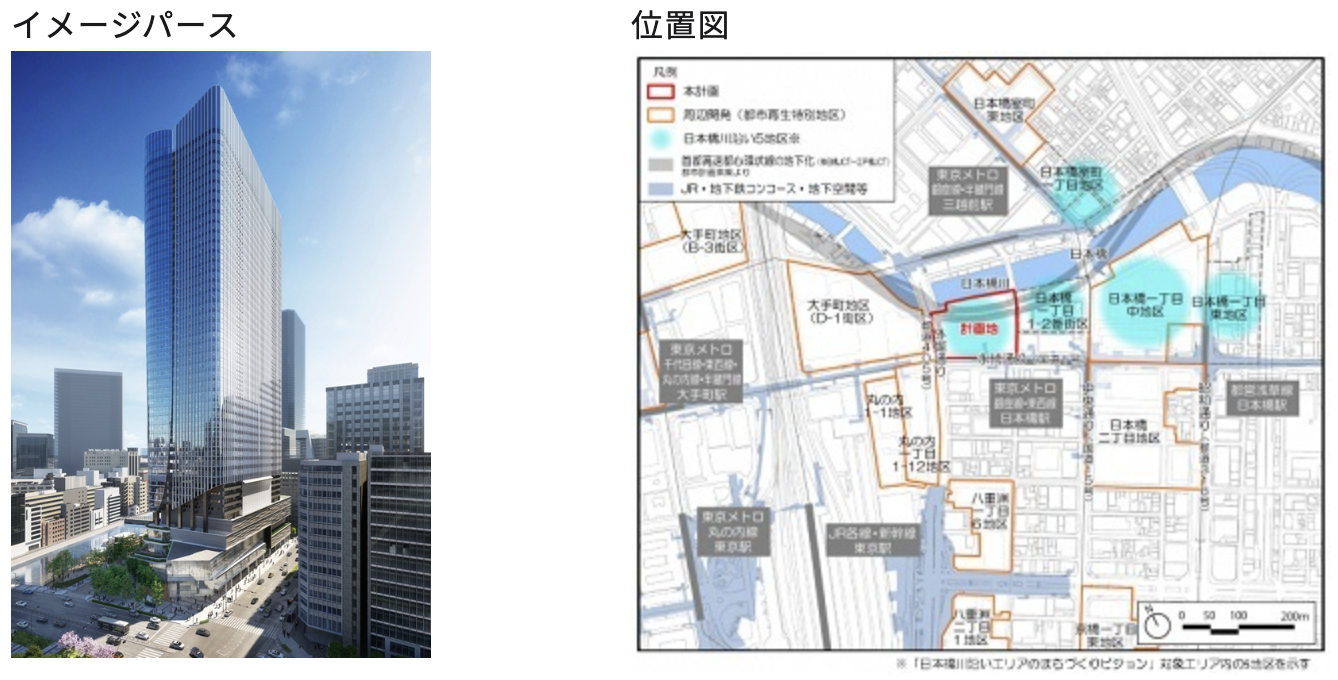
Discover how Tokyo's Gofukubashi Project aims to transform urban development and enhance the city's role as a global financial hub.
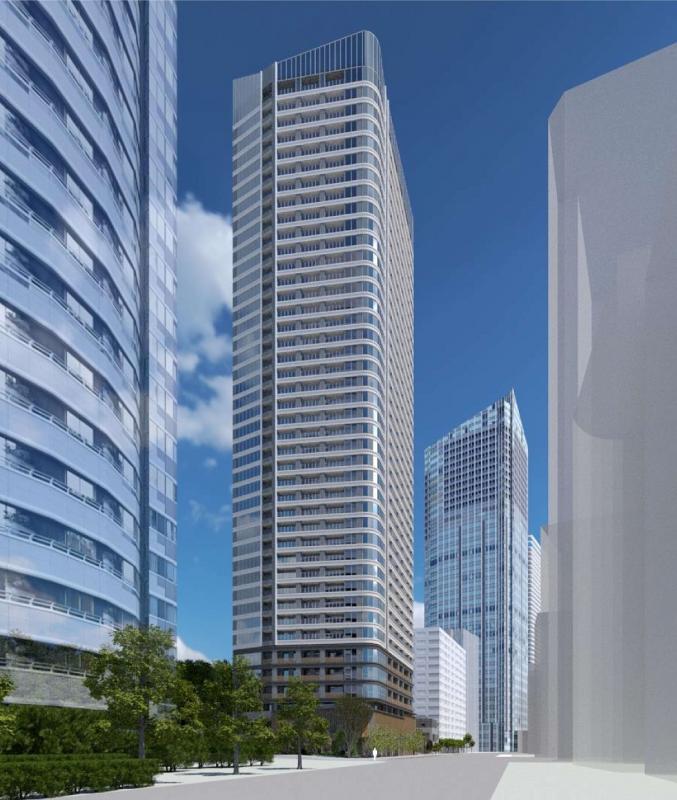
Futuristic urban redevelopment project in Tokyo's Atago area harmonizes history, nature, and modern urban functions, creating a green, vibrant community.
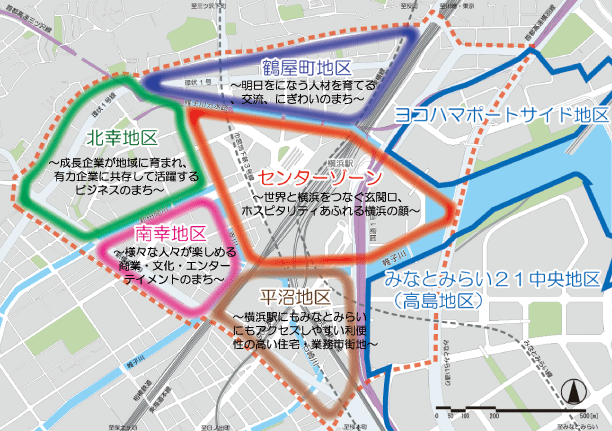
Excite Yokohama 22's redevelopment around Yokohama Station is significantly boosting property values through infrastructure improvements, creating a thriving urban hub.
Explore the increasing polarization in Tokyo's office market and the surge in long-term vacancies due to structural changes and evolving corporate criteria.
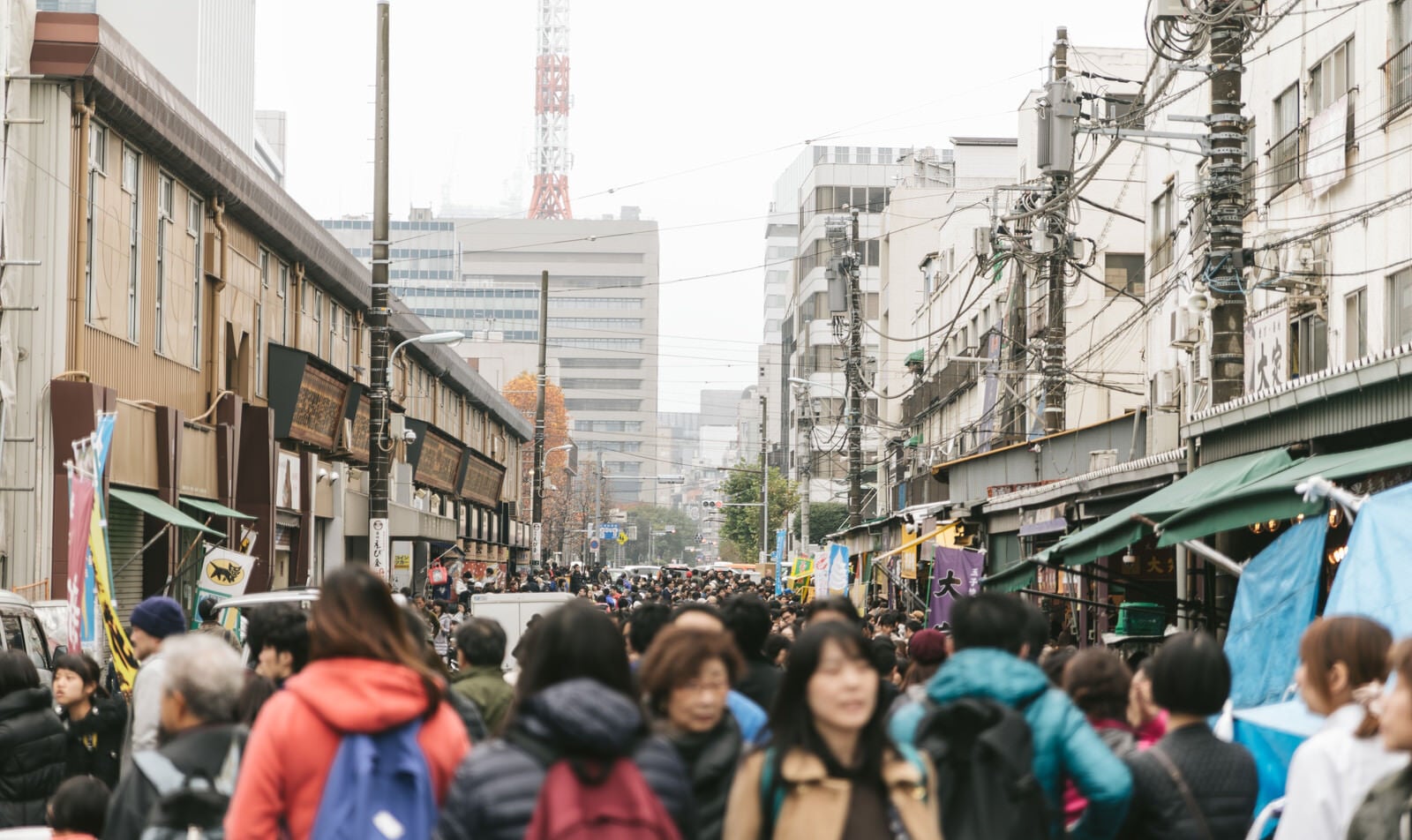
Discover the ambitious Tsukiji Urban Development Project transforming Tokyo's historic market site into a vibrant, sustainable urban hub and international destination.
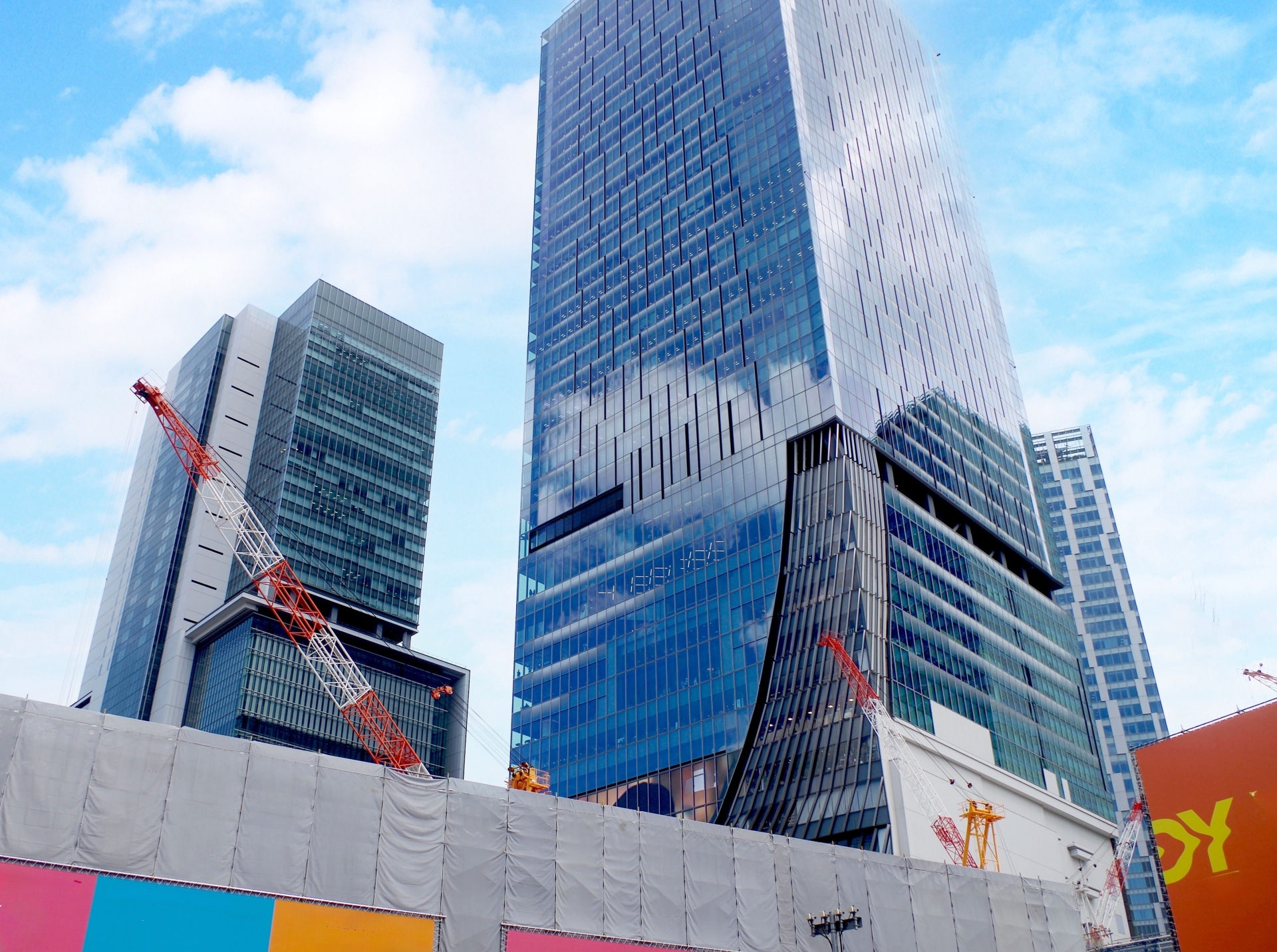
Tokyo's large-scale urban redevelopment aims to modernize infrastructure, improve international competitiveness, and enhance disaster resilience by 2040, transforming the city's landscape and functionality.
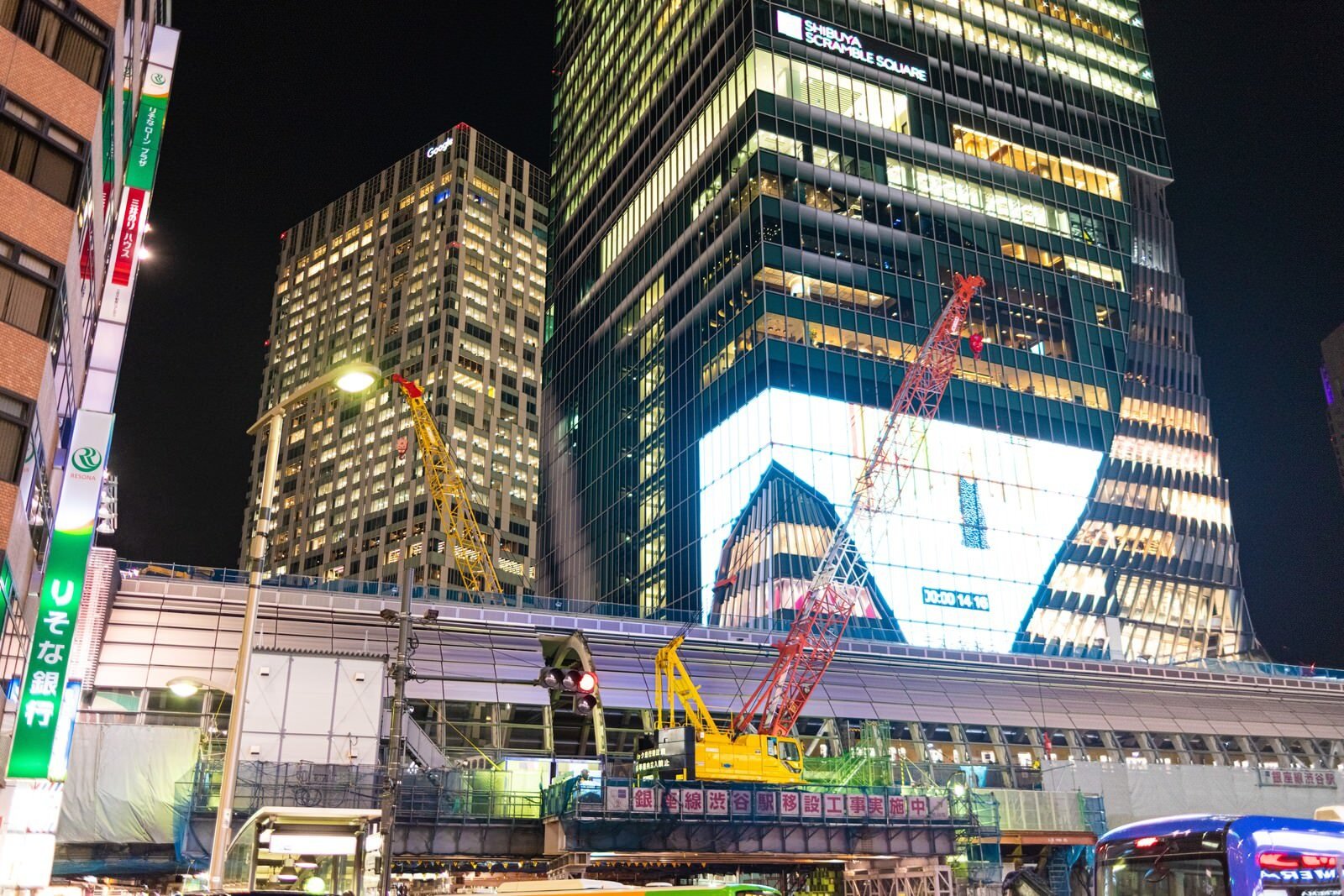
Discover how Shibuya Station's redevelopment is transforming real estate values, impacting office markets, and reshaping commercial and residential demand.
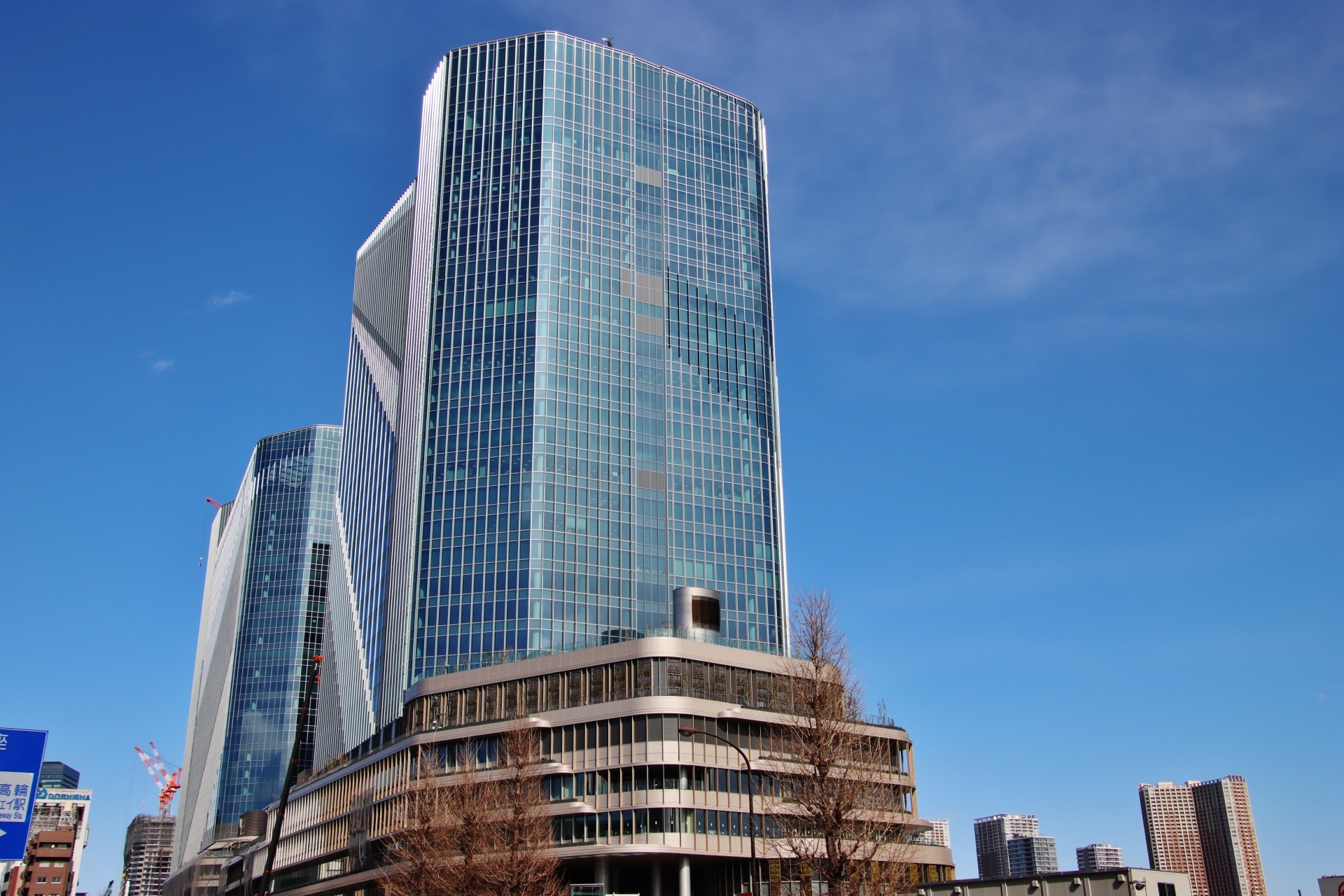
Discover how Takanawa Gateway City blends Tokyo's modernization heritage with smart city innovation, creating a future-forward urban space while preserving historical assets.
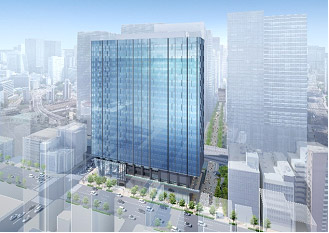
Uchikanda 1-chome redevelopment transforms Kanda and Otemachi, enhancing urban functions, disaster preparedness, and business opportunities. Completion set for 2026.
Explore the Tokyo condo market in 2025: price trends, demand shifts, and regional insights shaping the real estate landscape.
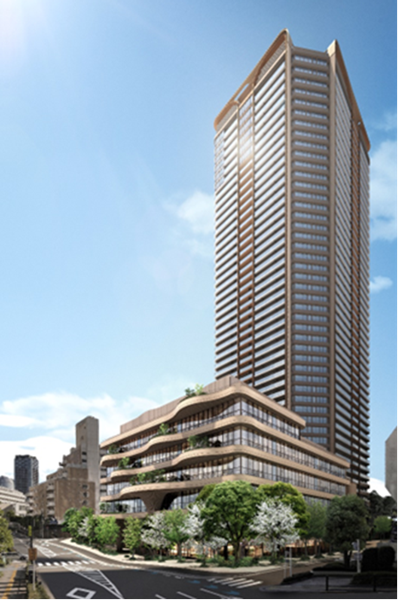
Explore the transformative Akasaka 7-chome No. 2 redevelopment project enhancing urban infrastructure, disaster prevention, and community value in Tokyo.
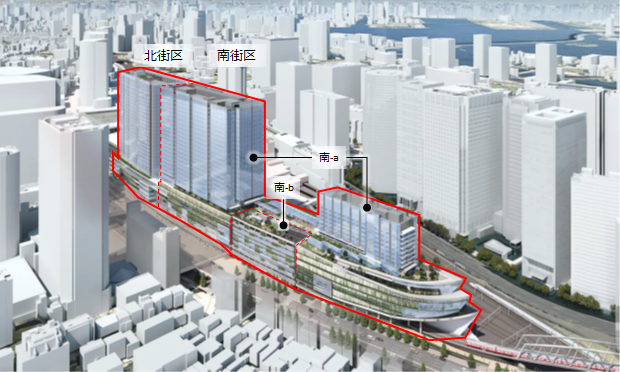
Shinagawa Station's redevelopment transforms Tokyo into a global hub with state-of-the-art facilities, boosting local economy and international competitiveness.
The JUNGLIA theme park in northern Okinawa and what it does to land prices, lodging demand and the rental market — the points that matter for an investment decision.
How far surging construction costs push new-build yields down. What drove material and labour prices up, and the concrete responses open to investors now.
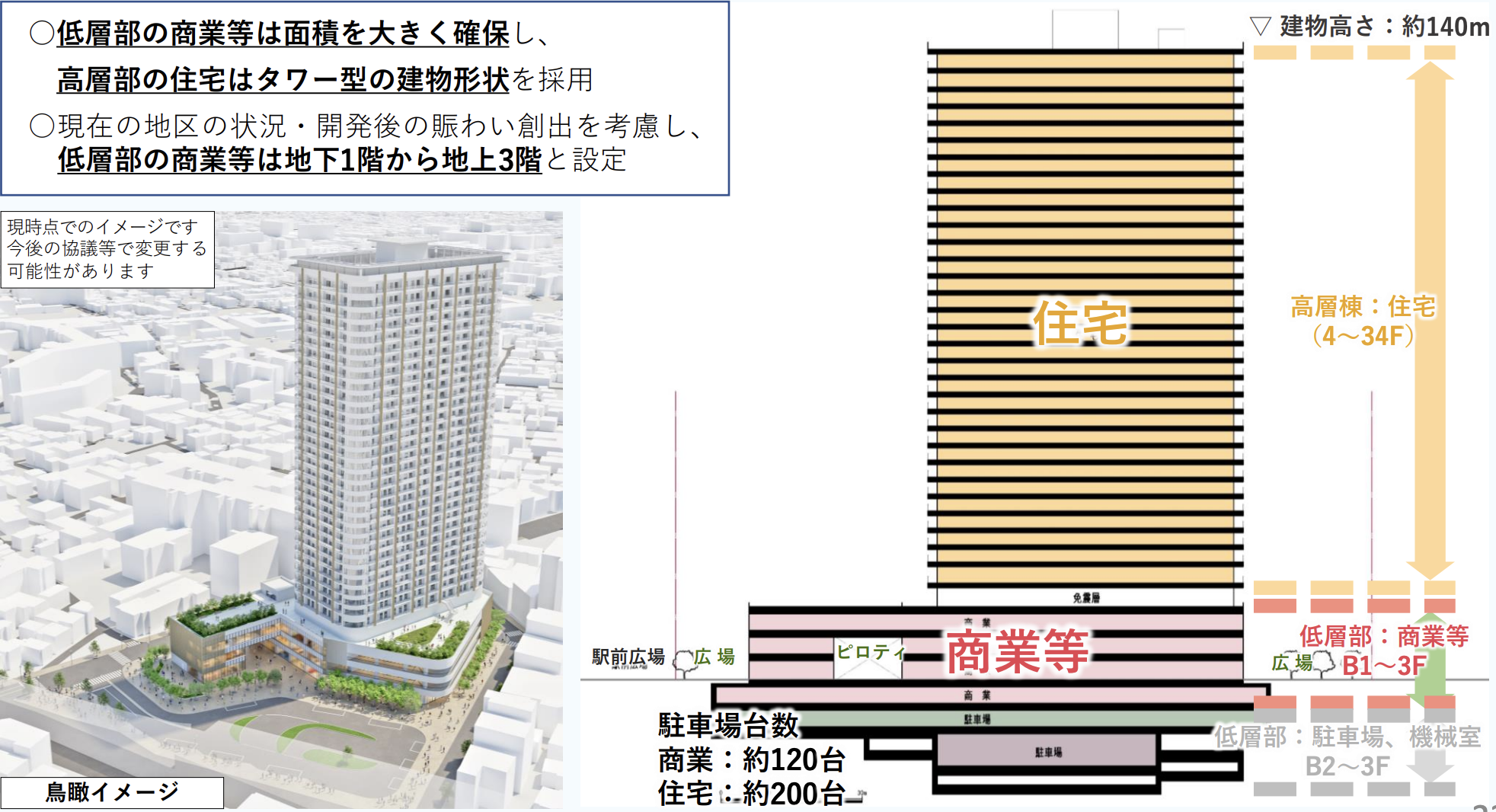
Chitose Karasuyama Station's redevelopment will create a vibrant, modern landmark with commercial facilities and residential spaces, transforming the local area's future.
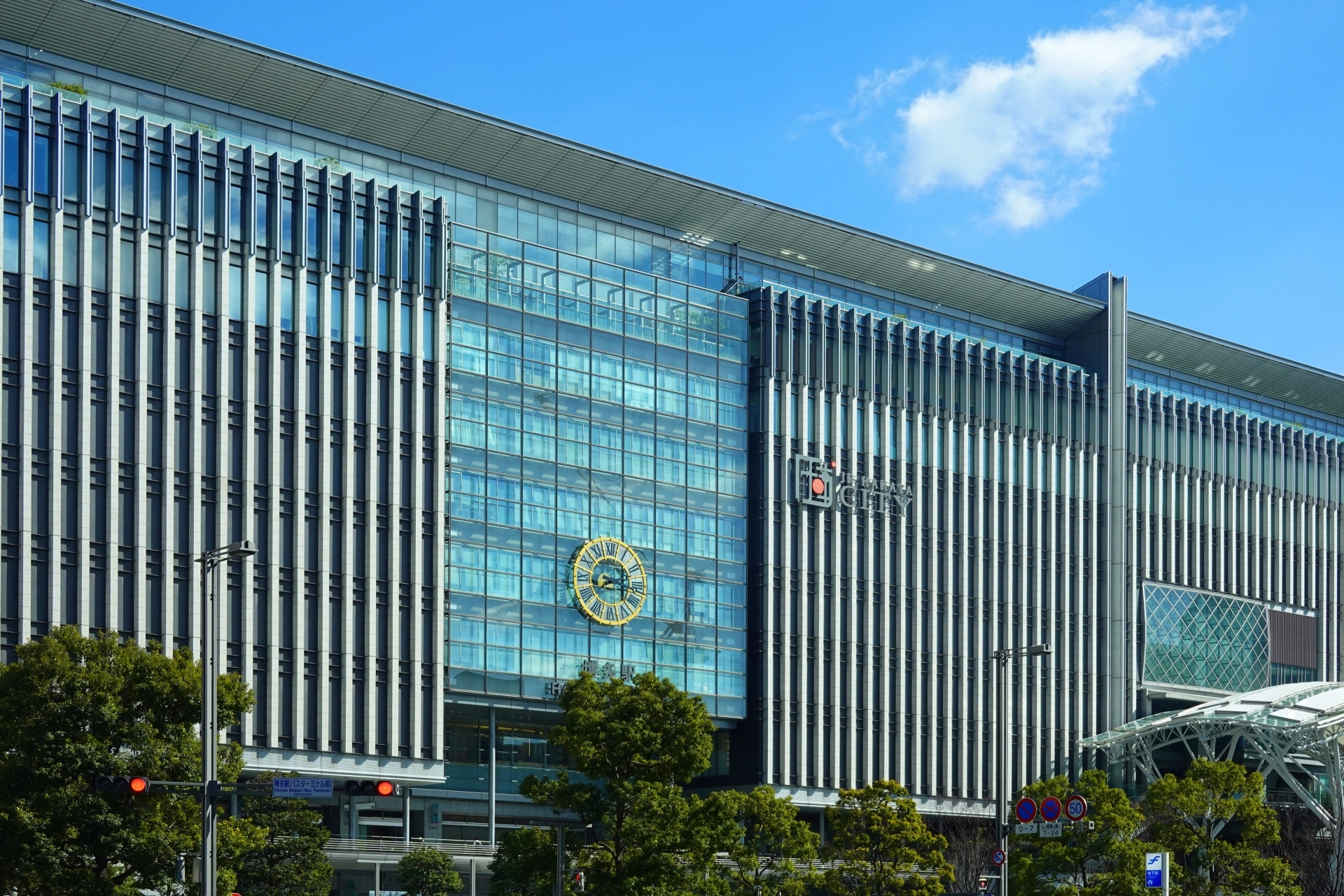
Discover how Fukuoka City's Hakata Connected Bonus Program is transforming Hakata Station's redevelopment, offering lucrative incentives for real estate investors.
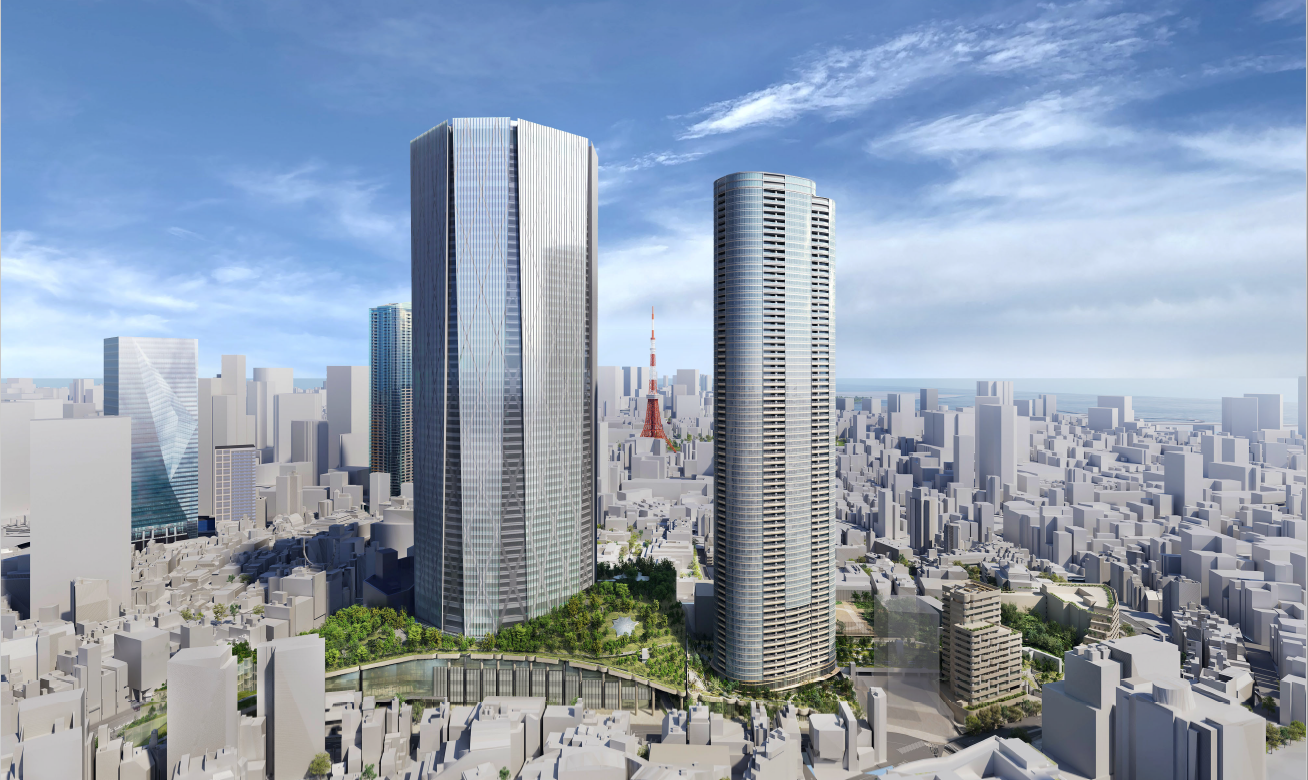
Discover Tokyo's transformative Roppongi 5-chome West Redevelopment Project, the city's next urban marvel, slated for completion in 2030.
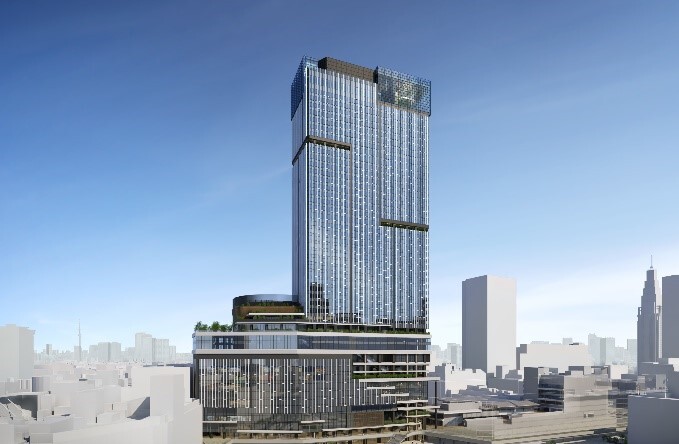
Shinjuku Station's West Exit is undergoing a major redevelopment to transform it into a modern business and tourist hub with improved infrastructure and international appeal. Completion expected by 2035.