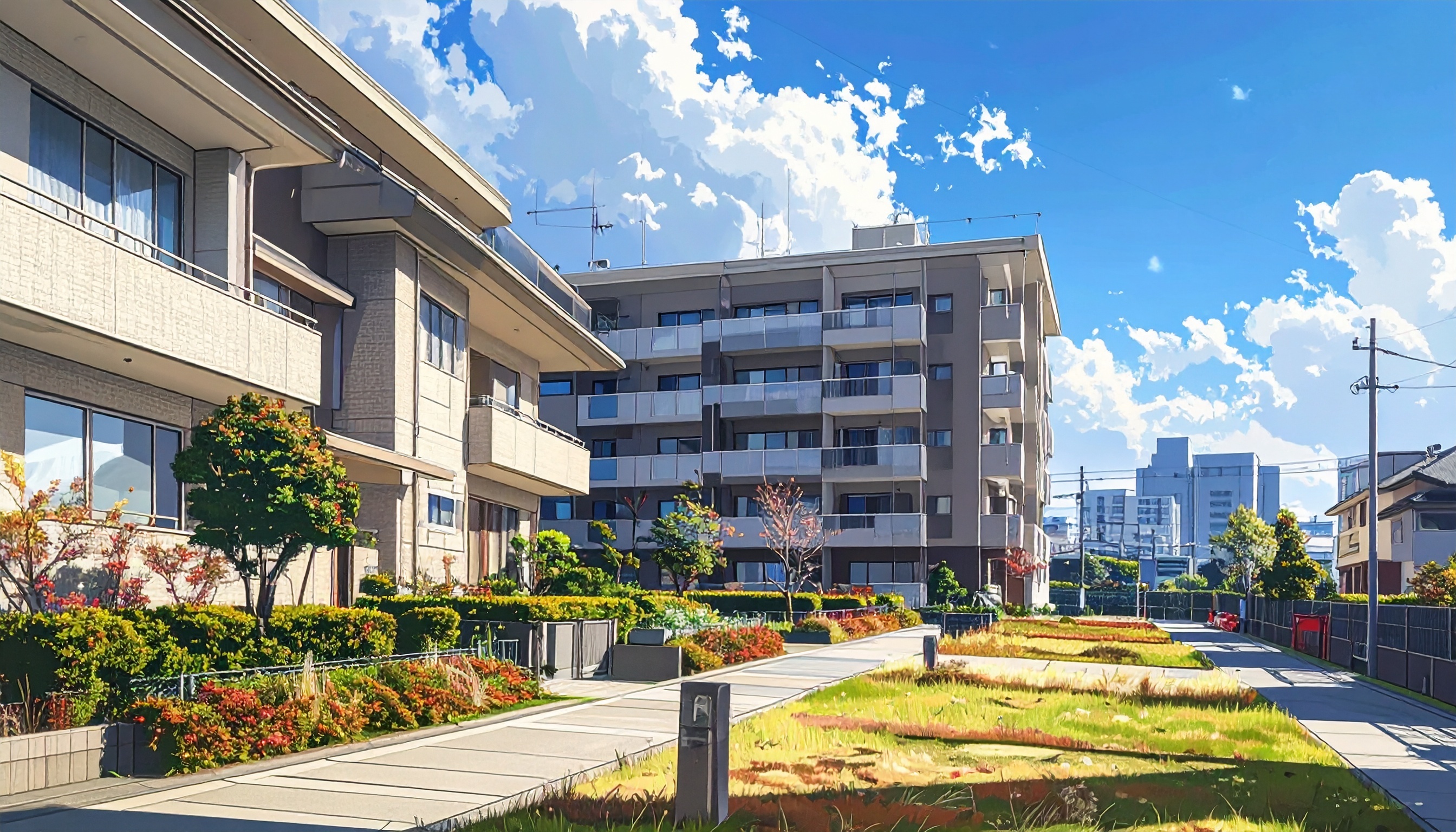
Microtourism is the idea of short-distance tourism, where people enjoy local areas within an hour or two of their home. It is unique in that it does not rely solely on long-distance travel or inbound demand, but instead allows local people to rediscover the charm of the region and circulate consumption within the region.
For real estate operators, microtourism is more than just a tourism trend. Themes affect housing, lodging, work, vacant home utilization, commercial zoning, and relationships with local communities.
In this article, we will summarize the meaning of microtourism and explain how real estate owners, management companies, and local businesses should view it.
What is microtourism?
Microtourism is a style of tourism where you enjoy short, deep experiences in your local area, rather than traveling far and long. We will combine lodging, dining, experiences, walks, and cultural resources in areas that can be reached within 1 to 2 hours from your home.
Traditional tourism has focused on going'' to tourist spots. Microtourism places emphasis onstaying and experiencing'' areas that are slightly outside of one's daily living area.
| Tourism type | Travel distance | Main demand | Relationship with real estate |
|---|---|---|---|
| Inbound tourism | From overseas to Japan | Lodging, commercial, and tourist facilities | Hotels, private lodging, and commercial locations |
| Domestic long-distance travel | Shinkansen/air travel | Vacation, family travel | Inns, resorts, villas |
| Microtourism | Short distance/short time | Weekend stays, local experiences | Vacant houses, short stays, local stores |
| Daily use | Living area | Shopping, commuting, commuting | Home, store, office |
The strength of microtourism lies in the middle ground between tourism demand and lifestyle demand. The key is whether you can create value for your stay without turning the area into too much of a tourist destination and without damaging local life.
Why real estate businesses should pay attention
Real estate is inseparable from how the area is used. As the reasons for people to visit increase, demand for lodging, food and beverages, merchandise sales, parking, dual-site living, short-term stays, workcations, etc. will be created.
However, real estate investment that relies solely on tourism demand is risky. This is because they are affected by the economy, weather, traffic, infectious diseases, and local regulations. If microtourism is to be incorporated into the real estate business, a design that can support both daily life demand and tourism demand is desirable.
| Real estate type | Possibility of utilization | Points to note |
|---|---|---|
| Vacant house | Weekend stay, experience base, community exchange facility | Management, fire protection, use, understanding of neighborhood |
| Rental housing | Two-site residence, furnished rental | Organizing short-term use and regular rental |
| Stores | Local restaurants, product sales, experience-based stores | How to create demand on weekdays |
| Inns/simple lodging | Short-distance accommodation, workcation | Permits, management system |
| Office | Satellite, regional base | Communication environment, conference equipment |
Common conditions for successful regions
Microtourism is not only successful with a large number of tourist attractions. Rather, the strength lies in places where local life, history, food, buildings, and nature are seamlessly connected.
Living demands remain
Areas that rely solely on tourism experience a large wave of demand. Areas where the living demands of local residents, weekend demands from surrounding cities, corporate training and workday demands overlap will make it easier to create stable operations.
Easy to move
It is assumed that you can get there within 1 to 2 hours from your home, so secondary transportation from trains, cars, buses, parking lots, and stations is important. No matter how appealing it is, if the last move is inconvenient, it will be difficult for people to repeat the trip.
Good relationship with local residents
As the number of short-term residents increases, problems with noise, trash, parking, and manners are more likely to occur. Creating a scale and operational rules that are acceptable to local residents is a condition for long-term business continuity.
What to look for when utilizing vacant houses/old houses
The use of vacant houses and old folk houses seems to be compatible with microtourism. It's easy to convey the uniqueness of the region, and it's also attractive as a base for lodging and experiences.
However, utilizing vacant houses is more expensive than it seems. It is necessary to check the earthquake resistance of the building, rain leakage, insulation, water supply and drainage, fire protection, zoning, treatment of hotel and residential lodging businesses, and neighborhood information.
| Items to check | Why is it important |
|---|---|
| Building condition | Repair costs affect business plans |
| Legislation | Availability of lodging, dining, and events will change |
| Management system | Cleaning, locks, emergency response required |
| Neighbor relations | Preventing noise, trash, and parking problems |
| Works on weekdays | Difficult to stabilize income and expenditure only on weekends |
| Exit strategy | Can it be returned to a purpose other than lodging? |
When thinking about real estate investment, you should not only consider the tourism concept, but also the possibility of rental, sale, and conversion to local use during normal times.
Differences between workation and dual-base residence
Microtourism, workation, and dual-location living have some overlap, but their purposes are different.
| Concept | Main purpose | Length of stay | Real estate requirements |
|---|---|---|---|
| Microtourism | Short-distance sightseeing and local experiences | Day trips to several nights | Local excursions, lodging, dining |
| Workation | Balancing work and vacation | Several days to weeks | Communication, desk, quiet, meetings |
| Living in two locations | Spreading living locations | Medium- to long-term | Storage, living facilities, contract flexibility |
In the real estate business, capital investment changes depending on which demand you are targeting. For weekend tourists, it is important to design an experience route, for a workday, it is important to design communication and work environment, and for a two-site residence, it is important to design living facilities and long-term contracts.
Operation rules that coexist with the local community
When using real estate for microtourism, it is most important not to disrupt local life. Even if sales increase in the short term, if relationships with residents deteriorate, the business will not continue.
Before operation, we will clarify considerations for garbage disposal, noise, parking, check-in times, emergency contacts, and local events. In addition to informing guests and users of the rules, sharing the operator's contact information with neighbors can help you deal with problems while they are still small.
Judgment axis for real estate owners
When considering microtourism-related properties, you can avoid excessive expectations by following the steps below.
- Is there a certain value just for living needs?
- Can it be described as a short-distance tourism destination?
- Can you create demand on weekdays?
- Can the legal regulations and management system be met?
- Can you build relationships with local residents?
- Is there a place to divert the money if the business becomes difficult?
Tourism demand is attractive, but when making investment decisions, you should look at whether the investment will be viable even if tourism fails. This conservative view leads to long-term asset preservation.
INA&Associates' philosophy
Having people visit the area is a huge opportunity for the city. However, real estate operators should be looking at more than just short-term tourism demand. The question is whether we can create an operation where people who live, work, and visit the area can coexist comfortably.
We view real estate as a vessel for local communities. If we are to take advantage of microtourism, it is important to engage with the region in a way that preserves its value for a long time, rather than consuming its charms.
FAQ
Q. Will microtourism still be relevant after the coronavirus?
there is. Although it has attracted attention as a countermeasure against infectious diseases, the demand for enjoying the local area over short distances and short periods of time, living in two locations, and workstations will continue to be connected.
Q. Can I make money by turning a vacant house into a lodging facility?
It depends on the condition of the building, laws and regulations, location, management system, and understanding of the area. Please check not only the demand for lodging, but also the possibility of using the property on weekdays or converting it to other uses.
Q. What is the biggest risk when looking at it as a real estate investment?
It is too biased towards tourism demand. It is necessary to have a budget and usage design that can withstand even if demand declines due to weather, economic conditions, regulations, or traffic changes.
Q. Why are relationships with local residents important?
An increase in the number of short-term residents can lead to problems such as noise, garbage, and parking. If you lose the trust of the community, it will be difficult to continue your business.