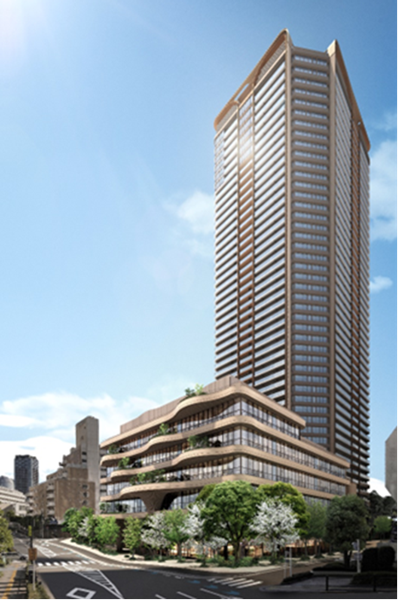
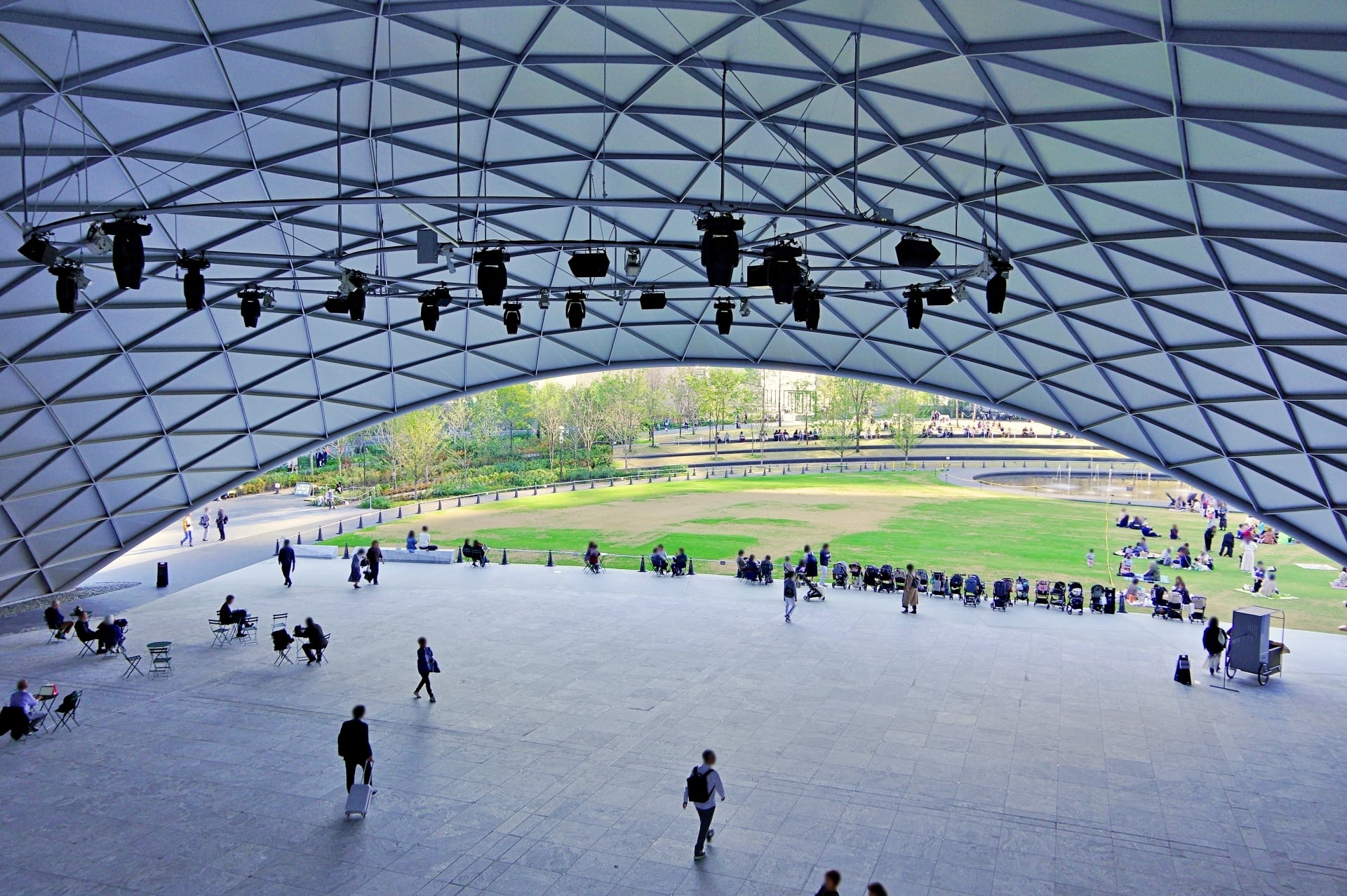
The Otemachi 2-chome Tokiwa-bashi District Type 1 Urban Redevelopment Project is an ongoing redevelopment in the area around Otemachi 2-chome and Tokiwa-bashi in Chiyoda City, Tokyo. In short, this plan is not just about building new towers; it will also reshape how the Tokyo Station Nihombashi Exit, Otemachi, the Nihonbashi River, and Tokiwa-bashi Park are used, and it will prompt a review of leasing channels, management quality, and exit strategies for surrounding properties.
This article is based on publicly available information as of October 2025. The completion date may change depending on construction progress.
Key Takeaways from This Article
- The Otemachi 2-chome Tokiwa-bashi District is a redevelopment project covering 3.1 ha that combines offices, retail, lodging, halls, plazas, parking, and more.
- The main point is not only height or total floor area, but also the simultaneous renewal of the pedestrian network in front of Tokyo Station's Nihombashi Exit, the waterfront connection along the Nihonbashi River, and international business functions.
- Owners in the surrounding area need to review construction-phase access routes, competing supply, and renovation priorities for each property before the project is completed.
What Is the Otemachi 2-chome Tokiwa-bashi District Type 1 Urban Redevelopment Project?
The Otemachi 2-chome Tokiwa-bashi District Type 1 Urban Redevelopment Project is an initiative to comprehensively renew land use and urban infrastructure in the Otemachi 2-chome Tokiwa-bashi District. The location is around Otemachi 2-chome and Tokiwa-bashi in Chiyoda City, Tokyo. The project area is 3.1 ha, and it is being carried out as a private redevelopment project.
The main uses confirmed in official documents are offices, retail, lodging, halls, plazas, parking, and more. The development is being implemented in phases with multiple buildings such as Building A and Building B, and construction work on the project as a whole began in April 2017. Torch Tower, with a height of approximately 385 m, is a defining feature. For surrounding existing properties, this is not merely an increase in new competition; it is an event that changes the standards by which visitors and tenants evaluate the district.
| Project Name | Otemachi 2-chome Tokiwa-bashi District Type 1 Urban Redevelopment Project |
| Location | Around Otemachi 2-chome and Tokiwa-bashi, Chiyoda City, Tokyo |
| Project Area | 3.1ha |
| Implementer | Private implementation |
| Urban Planning Decision | April 19, 2016 |
| Approval, etc. | September 29, 2016 |
| Current Status | In progress |
| Main Uses | Offices, retail, lodging, halls, plazas, parking, and more |
| Scale and Features | Phased development with multiple buildings such as Building A and Building B. Torch Tower is approximately 385 m tall (62 floors above ground) |
What Is Torch Tower? Height, Floors, and Completion Timeline
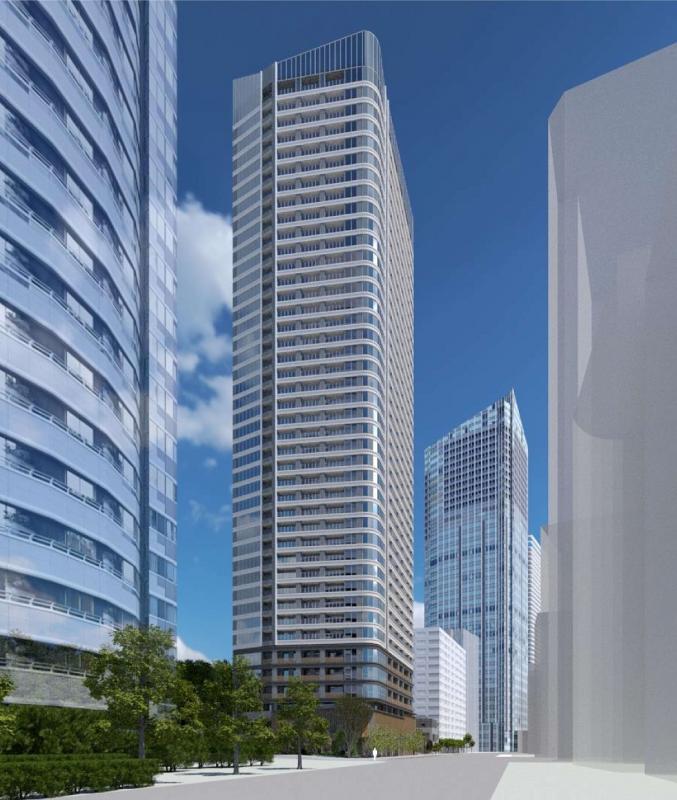
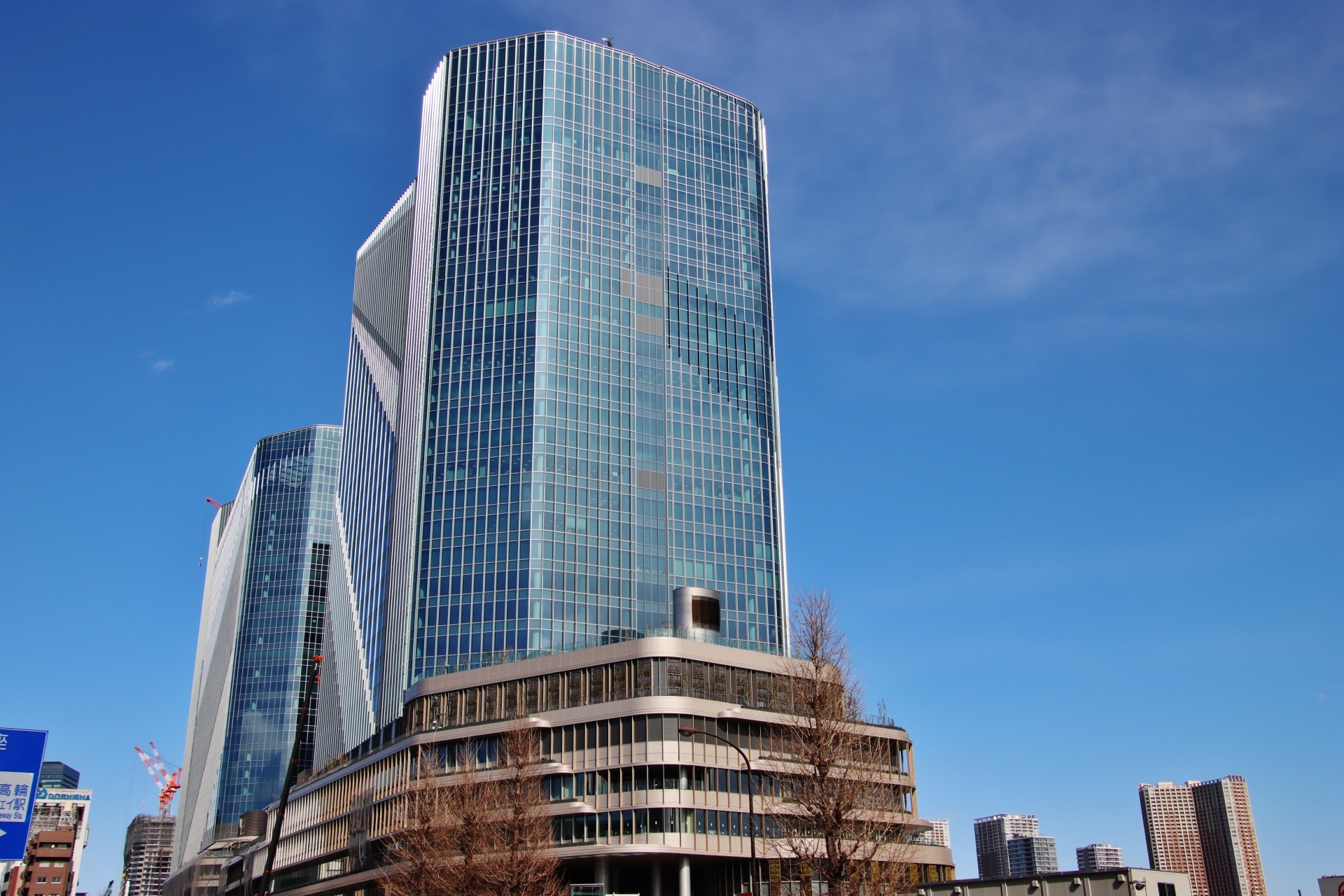
Torch Tower is the supertall building that corresponds to Building B of the Otemachi 2-chome Tokiwa-bashi District Type 1 Urban Redevelopment Project. According to Mitsubishi Estate's announcement, it will stand approximately 385 m tall, with 62 floors above ground and 4 floors below ground, and upon completion it will become the tallest building in Japan (this was revised from the initially announced approximately 390 m to approximately 385 m in January 2025). Mitsubishi Estate's official announcement states that completion is planned for the end of May 2028, and materials from the Tokyo Metropolitan Government Urban Development Bureau also list the planned completion of construction work as Reiwa 10, June (June 2028). The main uses include a supertall office, large-scale commercial functions, an observation facility, and residences. In addition, on floors 53 to 58, the overseas ultra-luxury hotel brand "Dorchester Collection" will open its first location in Asia, planning approximately 110 guest rooms with a total floor area of approximately 21,400 m².
What Will Change Under the Plan?
The first thing to focus on in this plan is the simultaneous renewal of the pedestrian network in front of Tokyo Station's Nihombashi Exit, the waterfront connection along the Nihonbashi River, and international business functions. If redevelopment is judged only by building specifications, it becomes difficult to see what surrounding properties should prepare for.
In the Otemachi 2-chome Tokiwa-bashi District, the practical issue is how to explain connections with the Tokyo Station Nihombashi Exit, Otemachi, the Nihonbashi River, and Tokiwa-bashi Park. In leasing, it is necessary to organize not only the number of minutes on foot from the station, but also intersections, plazas, underground passages, pedestrian-only open spaces, and nighttime brightness in the order that prospective tenants actually walk them during site visits.
| Tokyo Station Nihombashi Exit, Otemachi, the Nihonbashi River, and Tokiwa-bashi Park | Confirm the connections between stations, major roads, and surrounding blocks, and make the leasing route from the station explicit. |
| The pedestrian network in front of Tokyo Station's Nihombashi Exit, the waterfront connection along the Nihonbashi River, and international business functions are renewed at the same time | Evaluate this as a change in how the district is used, not just as an increase in floor space. |
| Construction-phase access routes | Check not only the post-completion condition, but also temporary barriers, detours, nighttime lighting, and visibility of the storefront frontage. |
| Disaster preparedness and stay functions | Organize the points that can support corporate leasing, long-term ownership, and retail operations. |
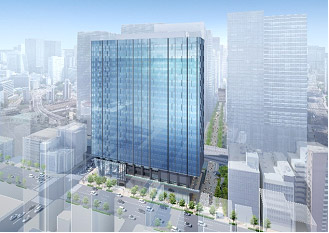
What should be read from the official diagram above is not the height of the buildings itself. It is where people enter from, where they stay, and which roads or stations they exit toward. If you own property in the Otemachi 2-chome Tokiwa-bashi area, whether you can reflect these changes in your leasing photos and the order of your site guidance will affect the conversion rate after inquiries.
How Should You Read the Impact on the Surrounding Real Estate Market?
Because this is a very large-scale supply project close to Tokyo Station, smaller offices and retail spaces nearby will be judged less by rent levels and more by how clearly they fit into different use categories, whether they can handle corporate tenants, and the quality of shared spaces.
In the Otemachi 2-chome Tokiwa-bashi District in particular, evaluation criteria differ between the inside and outside of the redevelopment area. New, large-scale properties inside the district will stand out for their equipment, appearance, BCP readiness, and shared areas. Existing properties outside the area, on the other hand, can compete with flexible rent, adaptable lease terms, proximity to the station and commercial districts, and a closer relationship with management.
If this difference is misunderstood, rents may be raised simply because of the redevelopment, which in turn reduces inquiries. What should be checked first are the facilities, photos, initial costs, and contract terms of new and recently built properties in the same budget range. Changing leasing conditions based on expectations alone, without looking at the numbers, is risky.
What Should Owners Check Now?
For properties on the Otemachi, Nihonbashi, and Kanda sides, it is important to incorporate the access route from Tokyo Station and the nighttime route home into the leasing materials.
The practical order of review should be: project progress, construction-phase impact, post-completion comparables, and improvement opportunities for the property in hand. At the stages of urban planning decisions and project approvals, attention tends to focus only on the completed vision, but in leasing practice, construction noise, temporary barriers, pedestrian detours, and the appearance of the storefront frontage cannot be ignored.
For repairs, there is no need to rush into large-scale investments. Start by reviewing the entrance lighting, common corridors, building signage, parcel lockers, trash storage area, and leasing photos. The more the district is renewed, the more visible these basic quality differences become during site visits. Careful guidance and management response from capable staff also make a difference versus properties in the same rent range.
How Is It Related to Surrounding Development and Station Upgrades?
The Otemachi 2-chome Tokiwa-bashi District should be evaluated not in isolation, but within the broader mobility area that includes the Tokyo Station Nihombashi Exit, Otemachi, the Nihonbashi River, and Tokiwa-bashi Park. In central Tokyo, one redevelopment does not end when it is completed; station upgrades, road improvements, rebuilding of adjacent blocks, and hotel and office supply all unfold in sequence.
For example, even within the same walking distance from the station, a property with a bright route from the station, a property that is easy to walk to on rainy days, and a property where tenants can pass through commercial facilities on the way home will have a different level of explanatory power in leasing. When tracking redevelopment in the surrounding area, do not rely only on the completed image. Map the actual route tenants will walk, and separate the strengths and weaknesses of existing properties.
INA's View
I believe the Otemachi 2-chome Tokiwa-bashi District Type 1 Urban Redevelopment Project should be treated not simply as news that nearby market rents will rise, but as a checklist for reviewing held properties. What matters is not only what will be built inside the project area, but also the comparison criteria by which properties outside the area will be chosen.
If you want to be guided by trust and honesty, you should not emphasize only the benefits; you should also make construction inconvenience, competing supply, and weaknesses related to building age visible in advance. Then, reorganize renovation spending, leasing terms, and exit strategy on a three-year cycle. That is the realistic way to protect assets over the long term in a redevelopment area.
Practical Checklist for Leasing, Renovation, and Exit Strategy
In a city redevelopment like the Otemachi 2-chome Tokiwa-bashi District, reading the plan alone is not enough to turn it into action. Each property needs to be reviewed in four areas: leasing, renovation, ownership, and sale. First, for leasing, show not only the shortest route from the station but also the actual route a visitor will take through photos. Intersections, slopes, underground passages, storefronts in front of commercial facilities, and nighttime brightness are easier to communicate with photos than with text.
For renovation, examine the common areas and entrance area before replacing equipment inside individual units. As the surrounding streets and buildings are renewed through redevelopment, whether a property is "well managed" becomes more visible than its age. Building signage, mailboxes, parcel lockers, lighting, notices, and cleanliness are items where even modest improvements can create a strong effect.
For exit strategy, do not focus only on the moment immediately after completion. Review prices and leasing results in three phases: during construction, immediately after completion, and after the district has started to be actively used. Because the Otemachi 2-chome Tokiwa-bashi District is evaluated in relation to the Tokyo Station Nihombashi Exit, Otemachi, the Nihonbashi River, and Tokiwa-bashi Park, it is better to state in sales materials which access route makes the property attractive, so buyers can understand it more quickly.
Items to Compare Against Competing Supply
| Comparison Item | Points to Check in the Otemachi 2-chome Tokiwa-bashi District |
| Connection to the station and block | Confirm the walking route to the Tokyo Station Nihombashi Exit, Otemachi, the Nihonbashi River, and Tokiwa-bashi Park in the morning, at night, and in rainy weather. |
| Use composition | Assess how it fits with offices, retail, lodging, halls, plazas, parking, and more, and decide whether your main focus should be residential, retail, or office use. |
| Weak points of existing properties | Review the entrance, common corridors, lighting, security, and parcel handling against new-build comparables. |
| Clearly explainable strengths | Articulate the value that large properties cannot offer, such as rent, floor area, contract flexibility, and the distance from management. |
If you conclude that a property is strong simply because it is in a redevelopment area, without making this comparison, leasing terms will become the only thing that moves first. In fact, the more redevelopment advances, the more demanding tenants become. That is why it is important to gather reliable information and present both strengths and weaknesses honestly.
How to View the Project from Construction Through Completion
In the Otemachi 2-chome Tokiwa-bashi District, it is important not to judge only from the completed image, but to separate the timeline into phases. During construction, foot traffic can temporarily change, and visibility of storefronts and the sense of safety at night may decline. On the other hand, as completion approaches, inquiries from the surrounding area are more likely to increase, and properties that have prepared leasing photos and site guidance in advance can more easily capture those inquiries.
Immediately after completion, new and large properties attract attention. However, not every tenant chooses a large property. There will always be tenants who prioritize floor area, rent, lease term, initial costs, and proximity to management. Existing properties will be easier to compete with if they position themselves for this segment as places where tenants can "use the new district, but on flexible terms."
As time passes after completion, the district's reputation will be determined by how it is actually used. Regularly review daytime foot traffic, nighttime brightness, weekend stay patterns, tenant turnover, and how easy it is to navigate from the station. Redevelopment is not a theme that ends in one article; it is a theme that must be continually tested in leasing and management practice.
Mistakes to Avoid in the Otemachi 2-chome Tokiwa-bashi District
- Looking only at the completion date and overlooking the impact of construction on leasing.
- Seeing all new supply as a threat and failing to highlight the flexibility of existing properties.
- Raising rents without improving the appearance of the common areas and entrance.
- Focusing only on the redevelopment area and ignoring the connections with nearby stations, roads, and commercial facilities.
The last point is especially important. Tenants do not choose properties based on urban planning boundaries. In practice, they judge whether the property is easy to walk to from the station, whether the route home is bright, whether meals and shopping can be done nearby, and whether it is easy to explain to visitors. Owners should inspect their properties from the same perspective.
For that reason, in the next update, review not only the rent appraisal but also the leasing materials, site visit route, renovation history, and explanation of management response at the same time. In redevelopment areas, a property is evaluated both by its own conditions and by how clearly you can explain the way the district can be used.
Frequently Asked Questions (FAQ)
Q1. Will large-scale supply near Tokyo Station push up nearby rents?
A. The result is not a uniform increase. The gap will widen between properties that can explain their access to Tokyo Station and properties where equipment updates have fallen behind.
Q2. Should leasing terms be changed before completion?
A. Rather than changing rent all at once, it is more prudent to first improve the photos, common areas, initial costs, and guidance route.
Q3. How should the negative effects during construction be handled?
A. If you explain them honestly and organize detour routes, noise hours, and nighttime safety before the site visit, trust is less likely to be damaged.
Q4. How should you decide between selling and holding?
A. Compare leasing results, planned repairs, financing conditions, and competing supply side by side, and evaluate them under three scenarios: before completion, immediately after completion, and after stabilization.
References